A Natural Solution for California's Herds: African Catfish Peptides

California's cattle producers and agricultural communities are all too familiar with the rising challenge of antibiotic resistance, making common bacterial infections harder to treat in livestock. But imagine a future where we could tackle these infections with a natural, powerful alternative. Our research points to just that: antimicrobial peptides (AMPs) found in African catfish.

We're really excited about these peptides because African catfish thrive in pathogen-rich freshwater, naturally producing these robust immune compounds in their skin mucus as a defense. This natural origin makes them highly appealing alternatives to synthetic drugs.

Predicted Safety and Potent Action

One of the most compelling aspects of these AMPs is their predicted safety for mammals. Our initial computer analyses suggest that various catfish AMPs are generally recognized as safe (GRAS). We predict they'll be absorbed in the human intestine without causing liver, brain, or heart toxicity. Furthermore, lab tests on a promising peptide, NACAP-II, confirmed it was non-hemolytic, meaning it didn't damage rabbit red blood cells—a strong indicator of its potential safety for mammalian cells.

Beyond safety, these peptides demonstrate effectiveness against problematic bacteria. One study revealed NACAP-II's strong activity against Extended-Spectrum Beta-Lactamase (ESBL)-producing Escherichia coli—a critical concern for both animal and human health due to its resistance to many common antibiotics. Another peptide, ACAP-IV, also showed antibacterial activity against E. coli and Staphylococcus aureus. We believe these AMPs work by directly disrupting bacterial cell membranes, a mechanism that makes it harder for bacteria to develop resistance compared to how they resist traditional antibiotics.
UC Oaks: Page

Montane Hardwood Forest & Wildlife Habitat

Hardwood Rangeland Habitats: Although there are numerous ways to classify California’s oak-dominated woodlands, the five vegetation types used in the California Wildlife Habitat Relationships System (CWHR) are the most commonly used and are described below. The CWHR types are based on the dominant tree…
View Page
UC Oaks: Page

Valley Oak Woodland & Wildlife Habitat

Hardwood Rangeland Habitats: Although there are numerous ways to classify California’s oak-dominated woodlands, the five vegetation types used in the California Wildlife Habitat Relationships System (CWHR) are the most commonly used and are described below. The CWHR types are based on the dominant tree…
View Page
UC Oaks: Page

Blue Oak Woodland & Wildlife Habitat

Hardwood Rangeland Habitats: Although there are numerous ways to classify California’s oak-dominated woodlands, the five vegetation types used in the California Wildlife Habitat Relationships System (CWHR) are the most commonly used and are described below. The CWHR types are based on the dominant tree…
View Page
UC Oaks: Page

Coastal Oak Woodland & Wildlife Habitat

Hardwood Rangeland Habitats: Although there are numerous ways to classify California’s oak-dominated woodlands, the five vegetation types used in the California Wildlife Habitat Relationships System (CWHR) are the most commonly used and are described below. The CWHR types are based on the dominant tree…
View Page
Primary Image
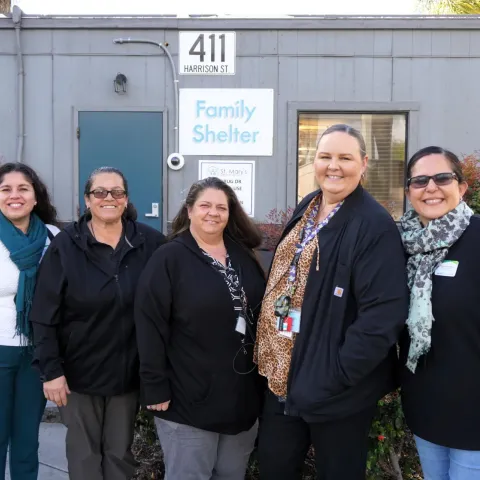
Foto group of UCCE CalFresh Living educators
Comunidades Saludables: Article

Residentes de albergue en Stockton aprenden sobre presupuesto familiar como primer paso hacia una vida independiente

September 5, 2025
By Michael Hsu
St. Mary’s Community Services in Stockton se une a CalFresh Healthy Living de UCCE y EFNEP para impartir clases  Contar con una vivienda permanente es de vital importancia para quienes viven en albergues temporales, sin embargo, muchos de ellos desconocen cómo administrar su dinero para que, además…
View Article
Primary Image
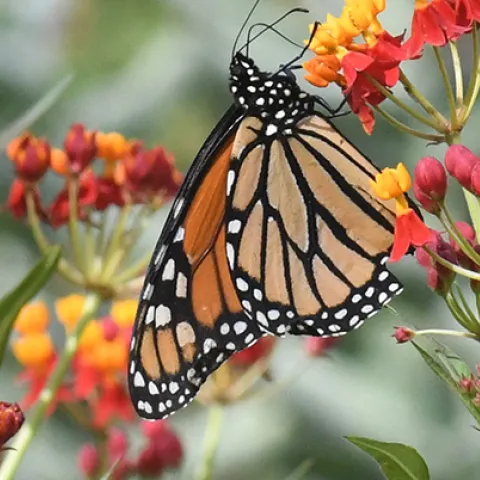
Monarch nectaring on milkweed in Vacaville, Calif. (Photo by Kathy Keatley Garvey)

What You Can Do on California Biodiversity Day

September 5, 2025
By Kathy Keatley Garvey
 What are you doing on California Biodiversity Day? That's Saturday, Sept. 6, but the celebration of diverse life continues through Monday, Sept. 14.You can join the  Find 30 Species for California Biodiversity Day project on iNaturalist, and submit observations of 30 wild species between…
View Article
Primary Image
Climate Bond logo
Climate Smart Agriculture: Article

Proposition 4 Climate Bond and Funding or Climate-Smart Agriculture

September 5, 2025
By Hope M Zabronsky
Proposition 4 Climate Bond Funding for Climate-Smart AgricultureCalifornia has experienced extreme weather in recent years that threatens our land and water resources. In November 2024, Californians voted to approve Proposition 4, a $10 billion Climate Resilience Bond, to support a variety of projects to…
View Article
UC Oaks: Page

Blue Oak-Foothill Pine Woodland & Wildlife Habitat

Hardwood Rangeland Habitats: Although there are numerous ways to classify California’s oak-dominated woodlands, the five vegetation types used in the California Wildlife Habitat Relationships System (CWHR) are the most commonly used and are described below. The CWHR types are based on the dominant tree…
View Page
Fresno County 4-H: Article

September 2025

September 5, 2025
By Elizabeth Ramirez
In This Edition…2- Committee & Council Mtgs.2- Livestock Leaders Meeting2- Fair Grounds Workdays3- Pigeon Project3- Presentations at the Fair4- Fresno Fair Reminders4- Caruthers Fair5- Dog Project5- Wanted– Clover Fest5- 4-H Enrollment6- 4-H Week6- Whites Exchange6– Important Reminders7- 4-H Goat Show…
View Article