

Oak woodlands are one of the richest broad habitats in the state, with well over 300 terrestrial vertebrates utilizing woodlands at some time during the year. They are also extremely important for a wide range of insect life.
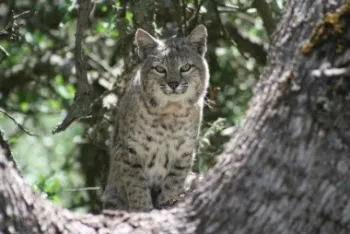

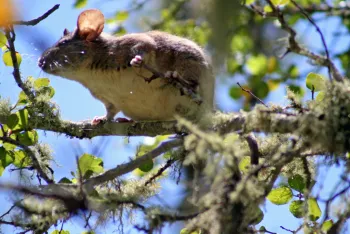
How they are managed can therefore have a significant impact on the populations of a great number of animal species.
When the IHRMP began in 1986, there was relatively little specific information about how woodland management activities, including oak tree removal or thinning, intensive grazing, or prescribed burning, might impact wildlife populations.
Exploring the relationship between oak woodlands and wildlife
 Little information is available on the metrics of coarse woody debris (CWD) in California oak woodland, most notably at the scale of the stand and woodland type. By William D. Tietje, Michael A. Hardy, and Christopher C. Yim (2014) |
Oak Woodlands: WIldlife and Biodiversity - What are the Habitat Connections?This video was part of a webinar presented by UC Cooperative Extension on oak management. The concepts of the webinar are based on the UC ANR publication, "Guidelines for Managing California's Hardwood Rangelands." By Gregory Giusti (2011) Part of the Woodlands: Planning and Management webinar series |