A Natural Solution for California's Herds: African Catfish Peptides

California's cattle producers and agricultural communities are all too familiar with the rising challenge of antibiotic resistance, making common bacterial infections harder to treat in livestock. But imagine a future where we could tackle these infections with a natural, powerful alternative. Our research points to just that: antimicrobial peptides (AMPs) found in African catfish.

We're really excited about these peptides because African catfish thrive in pathogen-rich freshwater, naturally producing these robust immune compounds in their skin mucus as a defense. This natural origin makes them highly appealing alternatives to synthetic drugs.

Predicted Safety and Potent Action

One of the most compelling aspects of these AMPs is their predicted safety for mammals. Our initial computer analyses suggest that various catfish AMPs are generally recognized as safe (GRAS). We predict they'll be absorbed in the human intestine without causing liver, brain, or heart toxicity. Furthermore, lab tests on a promising peptide, NACAP-II, confirmed it was non-hemolytic, meaning it didn't damage rabbit red blood cells—a strong indicator of its potential safety for mammalian cells.

Beyond safety, these peptides demonstrate effectiveness against problematic bacteria. One study revealed NACAP-II's strong activity against Extended-Spectrum Beta-Lactamase (ESBL)-producing Escherichia coli—a critical concern for both animal and human health due to its resistance to many common antibiotics. Another peptide, ACAP-IV, also showed antibacterial activity against E. coli and Staphylococcus aureus. We believe these AMPs work by directly disrupting bacterial cell membranes, a mechanism that makes it harder for bacteria to develop resistance compared to how they resist traditional antibiotics.

Primary Image
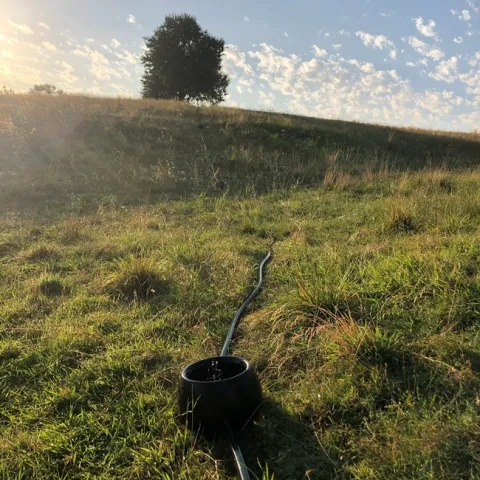
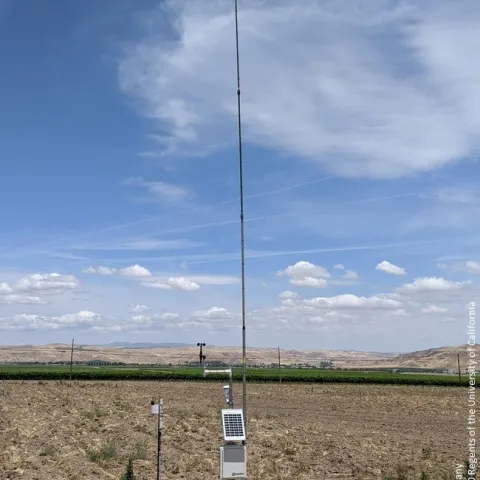
Figure 1. UCCE weather station with a 30-foot mast to measure the inversion condiitons.

UCCE San Luis Obispo weather station network

July 27, 2020
By Mark Battany
This new project is bringing some unique and very useful weather data to San Luis Obispo County. Twenty weather stations are planned for the County; at this writing 12 are installed and operating.
View Article
UCCE in the County of San Luis Obispo: Article

Women for the Land Learning Circle

July 27, 2020
Hello- Please see the attached flyer for information about "WOMEN FOR THE LAND LEARNING CIRCLE" to be held on Wednesday, 8/5 & 8/12 @2 - 4pm.
View Article
Primary Image
IMG 2032 (2)
Ranching in the Sierra Foothills: Article

New Irrigated Pasture Cost Studies Available

July 27, 2020
By Daniel K Macon
For many ranchers in the Sierra foothills and Sacramento Valley, irrigated pasture is a critical component of our annual forage calendar.
View Article
Primary Image
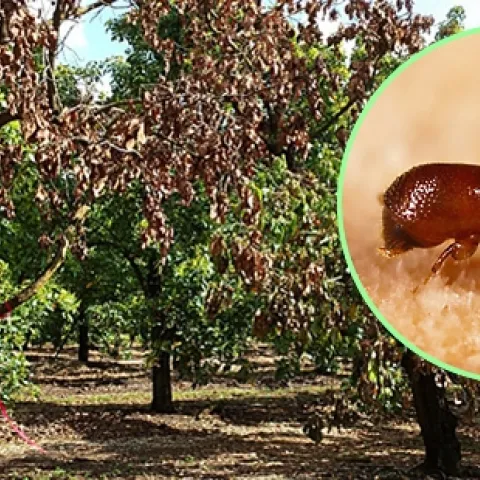
laurel-wilt-and-avocado-trees
Topics in Subtropics: Article

Laurel Wilt Disease Update

July 27, 2020
By Ben A Faber
Laurel Wilt-Ambrosia Beetle Grower's and Advisory Panel meeting to update and discuss research and extension programs supported by the USDA research grant. Purpose: The Univ.
View Article
Primary Image
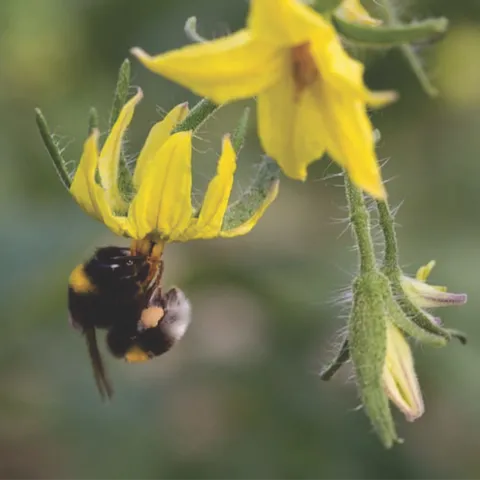
bee tomato pxfuel
Spill the Beans: Article

Shake the tomato plants?

July 27, 2020
by Melody Kendall I recently visited a fellow Master Gardener and saw his wonderful raised planting beds in his backyard. He had an array of extremely healthy-looking tomato plants all neatly encased in wire cages.
View Article
Primary Image
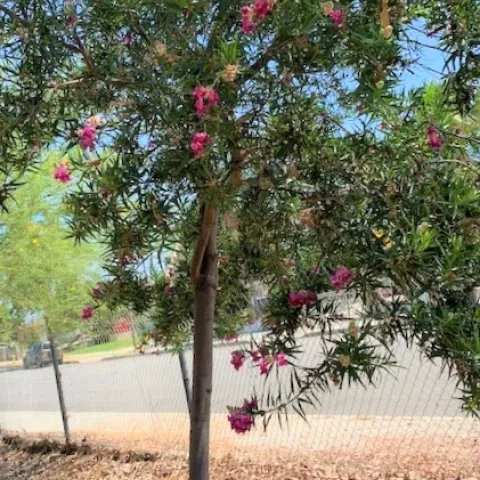
Chilopsis linearis ‘Bubba' (Desert Willow)
Landscape Horticulture Updates for Southern California: Article

Applications of Organic Mulch Result in Enhanced Tree Growth and Water Savings

July 26, 2020
By Janet S Hartin
I hope all of you and your loved ones are staying well and healthy as the pandemic continues. Involving yourself in outdoor activities is not only a great way to escape 'cabin fever' and improve your physical health but it is also good for you psychologically, as well.
View Article