A Natural Solution for California's Herds: African Catfish Peptides

California's cattle producers and agricultural communities are all too familiar with the rising challenge of antibiotic resistance, making common bacterial infections harder to treat in livestock. But imagine a future where we could tackle these infections with a natural, powerful alternative. Our research points to just that: antimicrobial peptides (AMPs) found in African catfish.

We're really excited about these peptides because African catfish thrive in pathogen-rich freshwater, naturally producing these robust immune compounds in their skin mucus as a defense. This natural origin makes them highly appealing alternatives to synthetic drugs.

Predicted Safety and Potent Action

One of the most compelling aspects of these AMPs is their predicted safety for mammals. Our initial computer analyses suggest that various catfish AMPs are generally recognized as safe (GRAS). We predict they'll be absorbed in the human intestine without causing liver, brain, or heart toxicity. Furthermore, lab tests on a promising peptide, NACAP-II, confirmed it was non-hemolytic, meaning it didn't damage rabbit red blood cells—a strong indicator of its potential safety for mammalian cells.

Beyond safety, these peptides demonstrate effectiveness against problematic bacteria. One study revealed NACAP-II's strong activity against Extended-Spectrum Beta-Lactamase (ESBL)-producing Escherichia coli—a critical concern for both animal and human health due to its resistance to many common antibiotics. Another peptide, ACAP-IV, also showed antibacterial activity against E. coli and Staphylococcus aureus. We believe these AMPs work by directly disrupting bacterial cell membranes, a mechanism that makes it harder for bacteria to develop resistance compared to how they resist traditional antibiotics.
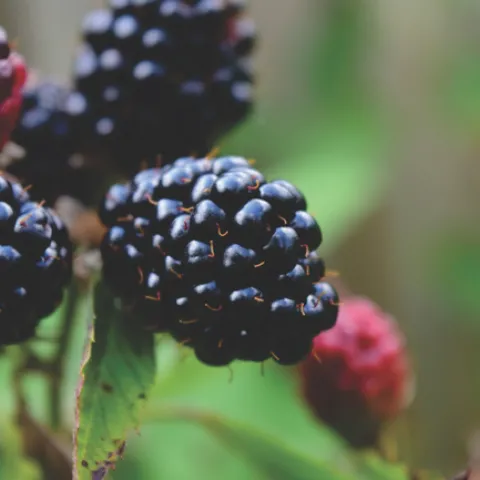
Primary Image
Photo by Andrea Giacoletti
UC Master Gardeners- Diggin' it in SLO: Article

Invasion!

February 7, 2020
Invasive Plants By Andrea Giacoletti UCCE Master Gardener I've heard the term 'invasive.' How do I know if I have an invasive plant in my garden? Violet P. If there's one thing that will throw a pall on your gardening, it's an invasive plant.
View Article
Kern County: Article

Healthy Soils Program Workshops

February 7, 2020
The Healthy Soils Program gives grants up to $100,000 Two upcoming workshops for assistance with applications February 13th in Bakersfield and February 14th in Tulare See attached for information and registration links No cost to attend!...
View Article
Kern County: Article

Healthy Soils Program Workshops

February 7, 2020
The Healthy Soils Program gives grants up to $100,000 Two upcoming workshops for assistance with applications February 13th in Bakersfield and February 14th in Tulare See attached for information and registration links...
View Article
Primary Image
soil texture granular
Topics in Subtropics: Article

Myths of the Soil

February 7, 2020
By Ben A Faber
Washington State University and UCCE Ventura County, respectively Soils found in home gardens and public landscapes usually bear little resemblance to the original soil.
View Article
Primary Image
Lavender flower bracts, UC ANR
The Real Dirt: Article

Edible Flowers: Fragrant and Tasty Treats

February 7, 2020
Edible flowers can be found in many backyard landscapes and herb gardens. Many annuals and perennials produce flowers with culinary potential. Roses (rosa spp.), lavender (Lavandula angustifolia), and apple blossoms are well-known perennials with edible flowers.
View Article
Primary Image
DSC 6332
Topics in Subtropics: Article

2020 Citrus Production Course

February 6, 2020
By Sonia I Rios
University of California Cooperative Extension Citrus Production Course for New Growers March 12, 2020 May 5, 2020 (8 Week course) Tuesdays, 9:30am -11:30am Location: 4500 Glenwood Dr # A, Riverside, CA 92501 (Riverside-Corona Resource Conservation District building) Cost: $325 Cost includes class...
View Article
Primary Image
Bombus melanopygus, the black-tailed bumble bee, nectaring on a rose in Benicia, Solano County, on Jan. 25. (Photo by Kathy Keatley Garvey)
Bug Squad: Article

Bombus Back in Benicia

February 6, 2020
By Kathy Keatley Garvey
How many different bumble bee species have you seen or photographed this year? Have you seen the black-tailed bumble bee, Bombus melanopygus? It's the earliest to emerge in this area. We photographed several B. melanopygus on Jan. 25 near downtown Benicia.
View Article
Primary Image
USDA APHIS header
UC Weed Science (weed control, management, ecology, and minutia): Article

New risk assessments just posted for invasive weeds

February 6, 2020
By Gale Perez
New Risk Assessments Just Posted for Invasive Weeds The U.S. Department of Agriculture's Animal and Plant Health Inspection Service ?recently posted Weed Risk Assessments for a dozen new weeds of concern. Eleven of the 12 are already documented in the West.
View Article