A Natural Solution for California's Herds: African Catfish Peptides

California's cattle producers and agricultural communities are all too familiar with the rising challenge of antibiotic resistance, making common bacterial infections harder to treat in livestock. But imagine a future where we could tackle these infections with a natural, powerful alternative. Our research points to just that: antimicrobial peptides (AMPs) found in African catfish.

We're really excited about these peptides because African catfish thrive in pathogen-rich freshwater, naturally producing these robust immune compounds in their skin mucus as a defense. This natural origin makes them highly appealing alternatives to synthetic drugs.

Predicted Safety and Potent Action

One of the most compelling aspects of these AMPs is their predicted safety for mammals. Our initial computer analyses suggest that various catfish AMPs are generally recognized as safe (GRAS). We predict they'll be absorbed in the human intestine without causing liver, brain, or heart toxicity. Furthermore, lab tests on a promising peptide, NACAP-II, confirmed it was non-hemolytic, meaning it didn't damage rabbit red blood cells—a strong indicator of its potential safety for mammalian cells.

Beyond safety, these peptides demonstrate effectiveness against problematic bacteria. One study revealed NACAP-II's strong activity against Extended-Spectrum Beta-Lactamase (ESBL)-producing Escherichia coli—a critical concern for both animal and human health due to its resistance to many common antibiotics. Another peptide, ACAP-IV, also showed antibacterial activity against E. coli and Staphylococcus aureus. We believe these AMPs work by directly disrupting bacterial cell membranes, a mechanism that makes it harder for bacteria to develop resistance compared to how they resist traditional antibiotics.
Primary Image
sarathaysm
The Confluence: Article

Catching the water bug: A conversation with Brinda Sarathy

February 3, 2020
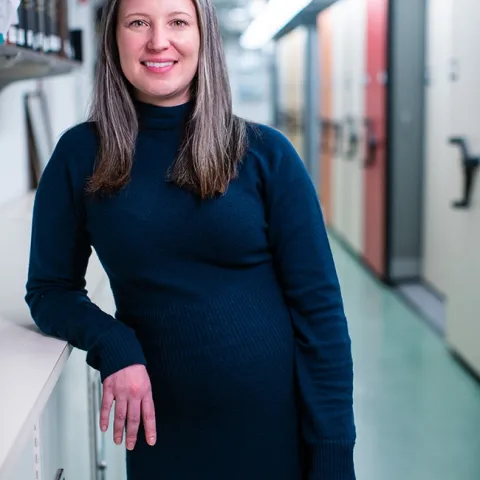
By Faith Kearns Brinda Sarathy is Professor of Environmental Analysis and Director of the Robert Redford Conservancy for Southern California Sustainability at Pitzer College. In addition to being on the faculty at Pitzer, you are also directing the Redford Conservancy.
View Article
Primary Image
photo by Jennifer Baumbach
Under the Solano Sun: Article

Miku

February 3, 2020
Wet Damp and Chilly Deep in the Throes of Winter One Month till Signs of Spring...
View Article
Monterey County: Article

4-H Camp applications open!

February 3, 2020
Dear 4-H families, The Monterey County 4-H camp applications are now open! Known as Camp McCandless, this has been a tradition for 4-Hers for years. Dates are June 14th -19th, 2020.
View Article
ANR Adventures: Article

Work with what you've got

February 3, 2020
By Wendy Powers
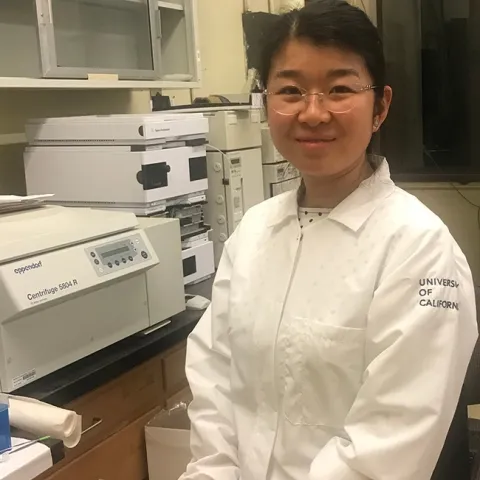
Congratulations to Deepa for making the headline story in last week's Ag Clips! Not only did the story feature Deepa's research and the work of her team, but it was a great plug for the EFNEP and CalFresh programs.
View Article
Primary Image
Student Contest Winners (LF to RT): Matthew Fatino, Guelta Laguerre, Drew Wolter, and James Schaeffer (Alex Ceseski not present)
UC Weed Science (weed control, management, ecology, and minutia): Article

CWSS: Student Contest Winners!

February 3, 2020
By Thomas J Getts
The California Weed Science Society met two weeks ago in Monterey. As always, it was an excellent conference with numerous informative sessions across all aspects of weed management in the state.
View Article
Primary Image
soil pores
Topics in Subtropics: Article

Healthy Soils Grant Webinar

February 3, 2020
By Ben A Faber
Healthy Soils Grants for Avocado Growers Webinar February 12, 9am 10am It's not really just for avocado growers, anyone can join.
View Article