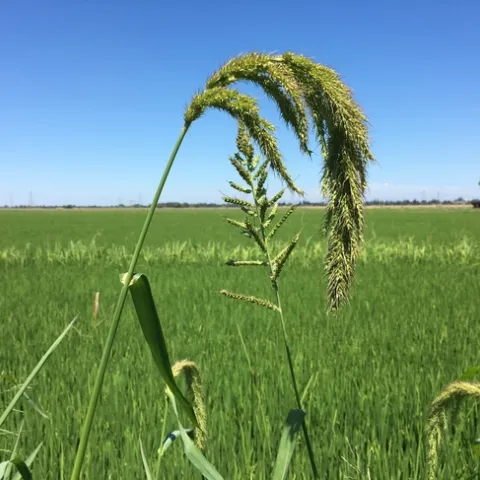
A Natural Solution for California's Herds: African Catfish Peptides

California's cattle producers and agricultural communities are all too familiar with the rising challenge of antibiotic resistance, making common bacterial infections harder to treat in livestock. But imagine a future where we could tackle these infections with a natural, powerful alternative. Our research points to just that: antimicrobial peptides (AMPs) found in African catfish.

We're really excited about these peptides because African catfish thrive in pathogen-rich freshwater, naturally producing these robust immune compounds in their skin mucus as a defense. This natural origin makes them highly appealing alternatives to synthetic drugs.

Predicted Safety and Potent Action

One of the most compelling aspects of these AMPs is their predicted safety for mammals. Our initial computer analyses suggest that various catfish AMPs are generally recognized as safe (GRAS). We predict they'll be absorbed in the human intestine without causing liver, brain, or heart toxicity. Furthermore, lab tests on a promising peptide, NACAP-II, confirmed it was non-hemolytic, meaning it didn't damage rabbit red blood cells—a strong indicator of its potential safety for mammalian cells.

Beyond safety, these peptides demonstrate effectiveness against problematic bacteria. One study revealed NACAP-II's strong activity against Extended-Spectrum Beta-Lactamase (ESBL)-producing Escherichia coli—a critical concern for both animal and human health due to its resistance to many common antibiotics. Another peptide, ACAP-IV, also showed antibacterial activity against E. coli and Staphylococcus aureus. We believe these AMPs work by directly disrupting bacterial cell membranes, a mechanism that makes it harder for bacteria to develop resistance compared to how they resist traditional antibiotics.
Primary Image
photos by Janet Snyder
Under the Solano Sun: Article

All Because of the Fence

February 5, 2020
I love how garden inspiration can come from the most mundane things. Especially in the middle of winter, when there's not a whole lot of inspiration to be found. The last couple of years have been busy ones for me, so I've not had as much time, or desire, to spend in my yard.
View Article
Primary Image
IMG 5107
Ranching in the Sierra Foothills: Article

Save the Date! 2020 Livestock and Natural Resources Workshops!

February 4, 2020
By Daniel K Macon
Mark your calendar! We have a number of outstanding workshops already booked for 2020! More details will follow in the coming weeks! PASTURE LAMBING SCHOOL (March 7 - Auburn, CA): This hands-on, half-day school will provide you with knowledge and skills necessary to successfully managing lambing ewe...
View Article
Primary Image
A cabbage white heads for catmint in a garden in Vacaville, Calif. (Photo by Kathy Keatley Garvey)

Beer-for-a-Butterfly Contest Is Over

February 4, 2020
By Kathy Keatley Garvey
If you were thinking of trying to net a cabbage white butterfly to win Art Shapiro's "Beer-for-a-Butterfly Contest"--a butterfly for a pitcher of beer, or its equivalent--you're too late. The contest is over. No winner this year.
View Article
Primary Image
CIG Soil Data Discussion December 16
Conservation Agriculture: Article

CIG Project holds televideo discussion of project's baseline soil sampling data, December 16, 2019!

February 4, 2020
By Jeffrey P Mitchell
December 16, 2019 About twenty farmers and University research partners who have been involved with the CIG Project, Securing the future of highly productive organic no-till vegetable production systems in California (CA), that started in 2018, took part in a two-hour televideo conference discussion...
View Article
DREC: Article

Carrot Field Day

February 4, 2020
By Jairo N Diaz-Ramirez
At 10:00 AM on Tuesday, March 10, 2020 at the University of California Desert Research and Extension Center - (1004 Holton Rd, Holtville, CA), we will display for your observation and evaluation our hybrid carrot trial.
View Article
UC Master Gardeners- Diggin' it in SLO: Article

Toyon

February 4, 2020
Common Name: Toyon, California holly Planting Zone: Sunset 14-24 Size: 8-15 ft. shrub or small, multi-trunked tree to 25 ft. Bloom Season: Flowers in summer; red berries in fall and winter Exposure: Full sun or partial shade Pruning Needs: None needed.
View Article