A Natural Solution for California's Herds: African Catfish Peptides

California's cattle producers and agricultural communities are all too familiar with the rising challenge of antibiotic resistance, making common bacterial infections harder to treat in livestock. But imagine a future where we could tackle these infections with a natural, powerful alternative. Our research points to just that: antimicrobial peptides (AMPs) found in African catfish.

We're really excited about these peptides because African catfish thrive in pathogen-rich freshwater, naturally producing these robust immune compounds in their skin mucus as a defense. This natural origin makes them highly appealing alternatives to synthetic drugs.

Predicted Safety and Potent Action

One of the most compelling aspects of these AMPs is their predicted safety for mammals. Our initial computer analyses suggest that various catfish AMPs are generally recognized as safe (GRAS). We predict they'll be absorbed in the human intestine without causing liver, brain, or heart toxicity. Furthermore, lab tests on a promising peptide, NACAP-II, confirmed it was non-hemolytic, meaning it didn't damage rabbit red blood cells—a strong indicator of its potential safety for mammalian cells.

Beyond safety, these peptides demonstrate effectiveness against problematic bacteria. One study revealed NACAP-II's strong activity against Extended-Spectrum Beta-Lactamase (ESBL)-producing Escherichia coli—a critical concern for both animal and human health due to its resistance to many common antibiotics. Another peptide, ACAP-IV, also showed antibacterial activity against E. coli and Staphylococcus aureus. We believe these AMPs work by directly disrupting bacterial cell membranes, a mechanism that makes it harder for bacteria to develop resistance compared to how they resist traditional antibiotics.

Primary Image
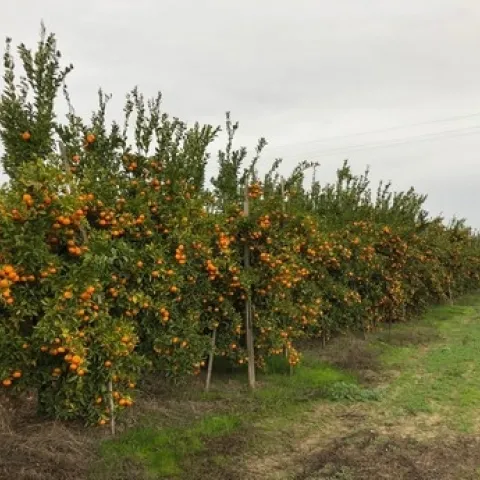
World Ag Expo, Tulare, 2018
IGIS: Article

IGIS 2018 in Review

December 31, 2018
By Andy Lyons, Maggi Kelly, Sean D Hogan, Robert Johnson, Shane T Feirer
The end of the year is always a good time to reflect back on what we've accomplished and where we've been, so we can see where we're going. 2018 was another good year for IGIS, with a number of notable accomplishments and new initiatives.
View Article
Primary Image
Garden Compost Pile
HOrT COCO-UC Master Gardener Program of Contra Costa: Article

When to Compost in the Winter

December 31, 2018
Advice for the Home Gardener from the Help Desk of the UC Master Gardener Program of Contra Costa County Client Calls the Help Desk (tel#: 925/608-6683) Thank you for contacting the UC Master Gardener Program Help Desk. It was nice to speak with you this morning.
View Article
Strawberries and Caneberries: Article

Bad Blood

December 30, 2018
By Mark P Bolda
I spent some time over the holidays doing some reading, and one intriguing book I finished was the recently published "Bad Blood" by John Carreyrou of the Wall Street Journal.
View Article
Notes in the Margins: Agronomy and Weed Science Musings: Article

Sixty Second Science Snippet: December 2018

December 29, 2018
Pesticide registrations - what types are available? Section 3 - Also known as the initial pesticide label registration; contains basic registered uses, use directions, requirements, and prohibitions.
View Article
Napa Master Gardener Column: Article

Purple In My Garden!

December 29, 2018
By Denise Levine, UC Master Gardener of Napa County Purple plants do well in my garden. Animals seem to leave them alone, and birds that seem to know which little green things are weeds and which are my seedlings hop by my baby purple plants without assaulting them.
View Article