A Natural Solution for California's Herds: African Catfish Peptides

California's cattle producers and agricultural communities are all too familiar with the rising challenge of antibiotic resistance, making common bacterial infections harder to treat in livestock. But imagine a future where we could tackle these infections with a natural, powerful alternative. Our research points to just that: antimicrobial peptides (AMPs) found in African catfish.

We're really excited about these peptides because African catfish thrive in pathogen-rich freshwater, naturally producing these robust immune compounds in their skin mucus as a defense. This natural origin makes them highly appealing alternatives to synthetic drugs.

Predicted Safety and Potent Action

One of the most compelling aspects of these AMPs is their predicted safety for mammals. Our initial computer analyses suggest that various catfish AMPs are generally recognized as safe (GRAS). We predict they'll be absorbed in the human intestine without causing liver, brain, or heart toxicity. Furthermore, lab tests on a promising peptide, NACAP-II, confirmed it was non-hemolytic, meaning it didn't damage rabbit red blood cells—a strong indicator of its potential safety for mammalian cells.

Beyond safety, these peptides demonstrate effectiveness against problematic bacteria. One study revealed NACAP-II's strong activity against Extended-Spectrum Beta-Lactamase (ESBL)-producing Escherichia coli—a critical concern for both animal and human health due to its resistance to many common antibiotics. Another peptide, ACAP-IV, also showed antibacterial activity against E. coli and Staphylococcus aureus. We believe these AMPs work by directly disrupting bacterial cell membranes, a mechanism that makes it harder for bacteria to develop resistance compared to how they resist traditional antibiotics.
Primary Image
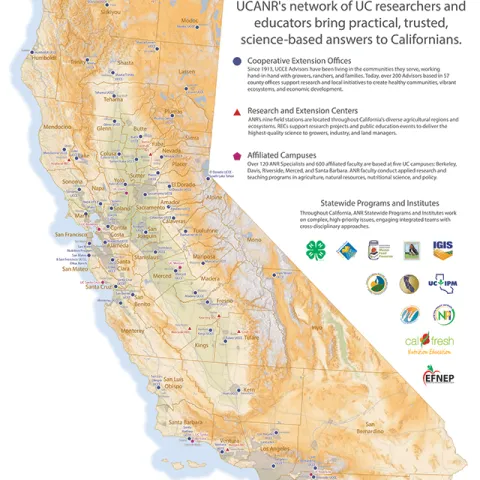
UCANR Map, December 2018
IGIS: Article

IGIS Releases New Map of the UCANR Network

December 21, 2018
By Shane T Feirer, Andy Lyons
IGIS is pleased to release a new map of the ANR network. This poster-size map of the state includes 60 Cooperative Extension Offices, 9 RECS, and 6 affiliated campuses.
View Article
Primary Image
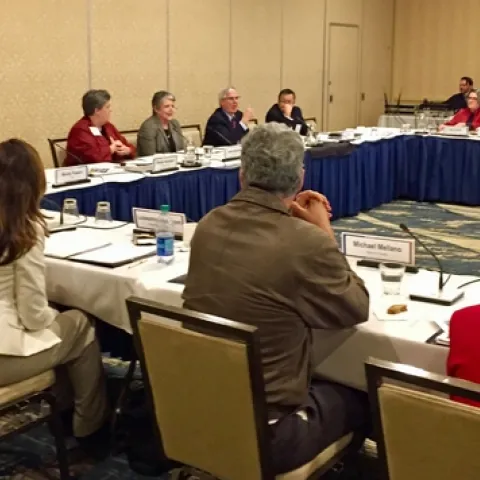
President Janet Napolitano thanked Don Bransford and everyone who provided information to the UC ANR Advisory Committee. She announced she would be moving forward on the committee's recommendations.
ANR Employee News: Article

PAC discusses ANR Advisory Committee recommendations

December 21, 2018
By Pamela S Kan-Rice
The UC ANR Advisory Committee, appointed by President Janet Napolitano to consider options for UC ANR's structure, governance and funding, submitted its recommendations to her, Don Bransford told the UC President's Advisory Commission on Agriculture and Natural Resources (PAC), which met Dec.
View Article
Primary Image
Daniela Bruno
ANR Employee News: Article

Names in the News

December 21, 2018
By Pamela S Kan-Rice
Bruno named dairy advisor in Fresno and Madera counties Daniela Bruno joined UCCE on Nov. 5, 2018, as the area dairy advisor in Fresno and Madera counties. Bruno completed a Ph.D. in comparative pathology from UC Davis and a DVM from The Federal University of Minas Gerais, Brazil.
View Article
Primary Image
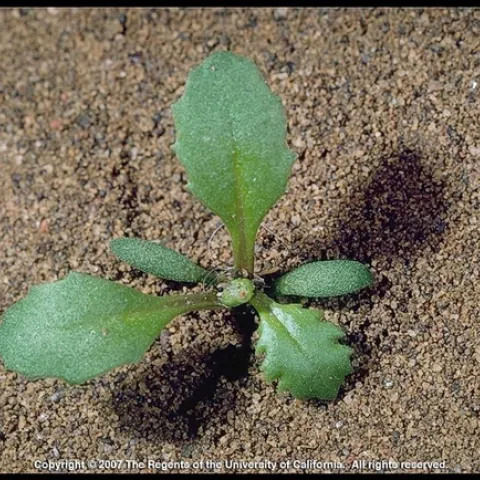
Seedling Groundsel
Alfalfa & Forage News: Article

Keep Common Groundsel Uncommon!

December 21, 2018
By Thomas J Getts, Rachael Long
As you're thinking about winter weed management in alfalfa production, keep in mind the need for common groundsel control.
View Article
Primary Image
saw blade edge
Topics in Subtropics: Article

Pruning Tips from a Horticulturist

December 21, 2018
By Ben A Faber
Tuning up for Pruning Up--Care, Maintenance and Utilization of Hand Pruning Tools J. Downer University of California Fall is passing into winter and the bare sticks in my deciduous fruit orchard are calling me to my annual fruit tree pruning chores.
View Article
Santa Cruz County: Article

4-H Updates 12/20/18

December 20, 2018
Dear 4-H Families, May you and your family have a safe, fun and joyful holiday! We are sending you a few reminders from the 4-H office: All 4-H members enrollment is due 4-H on-line link: http://cesantacruz.ucanr.edu/Youth_Development/4-H_101_The_Basics/.
View Article
ANR Adventures: Article

Resolution-ready

December 20, 2018
By Wendy Powers
I suspect that many look forward with great alacrity to the winter break that is almost here. I don't know about others but I fully expect to see some winter weather though my destination is far less exciting than that of others (The Netherlands, India, Cancun, New Orleans, etc.).
View Article
Primary Image
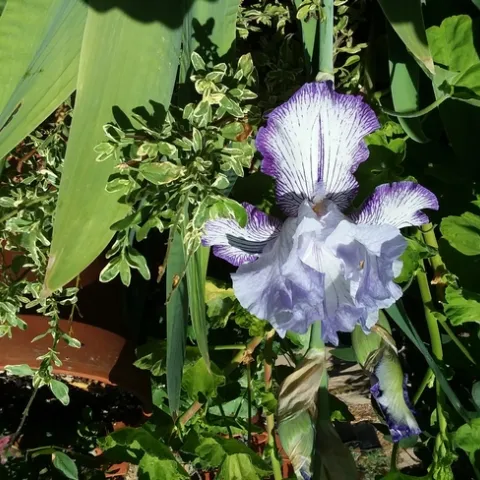
Bearded Iris
UC Master Gardeners- Diggin' it in SLO: Article

Bearded Iris

December 20, 2018
Bearded Iris By Polly Nelson UCCE Master Gardener Planting Zone: Sunset 1-24, USDA 3-10 Size: 6 inches 4 feet Bloom season: Once yearly, late spring/early summer; some varieties bloom a second time in late summer Exposure: Generally 6-8 hours sun per day Pruning needs: None until after bloom Water...
View Article