A Natural Solution for California's Herds: African Catfish Peptides

California's cattle producers and agricultural communities are all too familiar with the rising challenge of antibiotic resistance, making common bacterial infections harder to treat in livestock. But imagine a future where we could tackle these infections with a natural, powerful alternative. Our research points to just that: antimicrobial peptides (AMPs) found in African catfish.

We're really excited about these peptides because African catfish thrive in pathogen-rich freshwater, naturally producing these robust immune compounds in their skin mucus as a defense. This natural origin makes them highly appealing alternatives to synthetic drugs.

Predicted Safety and Potent Action

One of the most compelling aspects of these AMPs is their predicted safety for mammals. Our initial computer analyses suggest that various catfish AMPs are generally recognized as safe (GRAS). We predict they'll be absorbed in the human intestine without causing liver, brain, or heart toxicity. Furthermore, lab tests on a promising peptide, NACAP-II, confirmed it was non-hemolytic, meaning it didn't damage rabbit red blood cells—a strong indicator of its potential safety for mammalian cells.

Beyond safety, these peptides demonstrate effectiveness against problematic bacteria. One study revealed NACAP-II's strong activity against Extended-Spectrum Beta-Lactamase (ESBL)-producing Escherichia coli—a critical concern for both animal and human health due to its resistance to many common antibiotics. Another peptide, ACAP-IV, also showed antibacterial activity against E. coli and Staphylococcus aureus. We believe these AMPs work by directly disrupting bacterial cell membranes, a mechanism that makes it harder for bacteria to develop resistance compared to how they resist traditional antibiotics.

Primary Image
Screen Shot 2018-12-17 at 2.38.53 PM
ANR Employee News: Article

Learning & Development

December 19, 2018
By Jodi L Azulai
WebANR Communicating Your Story: LinkedIn Date: Thursday January 3, 2019 Time: 10 a.m.-11 a.m. Zoom link: https://ucanr.zoom.
View Article
Primary Image
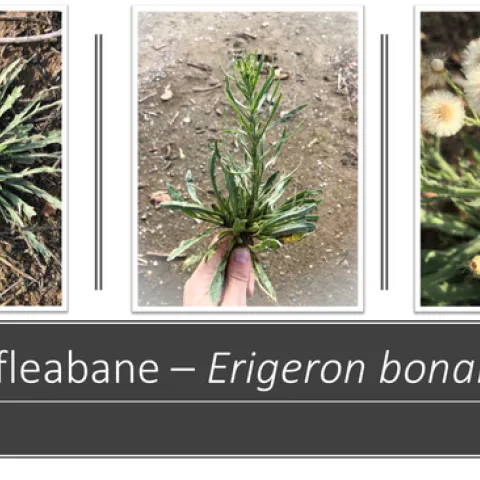
Hairy Fleabane
Alfalfa & Forage News: Article

A Pain in the Asteraceae - Identifying Important Winter Weeds in Alfalfa

December 19, 2018
By Thomas J Getts, Rachael Long
The first step in developing a successful weed management program is being able to properly identify the species that are infesting a field. But why? Why is weed identification so important? Simply stated, because not all weeds are created equal.
View Article

How Climate Change Is Affecting Small Sierra Nevada Lakes

December 19, 2018
By Susan D Kocher
Reposted from UC Davis News Scientists at the University of California, Davis, are taking the temperature and other measurements of lakes of all sizes and shapes throughout the mountains of California to see how climate change is affecting them and what, perhaps, can be done about it.
View Article
Article

Beware of phishing/spam emails

December 19, 2018
By Pamela S Kan-Rice
Dear Colleagues, Lately, we have seen an increase in the number of spoofed emails, a form of phishing/spam email. To avoid getting hacked, verify that email addresses are authentic before responding.
View Article
Primary Image
UCANR UCPath logo
ANR Employee News: Article

Learn what you need to know about UCPath at Jan. 29 town hall

December 19, 2018
By Pamela S Kan-Rice
Join VP Glenda Humiston, AVP Tu Tran and the UCPath Project Team for an important town hall Zoom session from 1 to 2 p.m. on Tuesday, Jan. 29, 2019. We encourage all UC ANR academics and staff to save the date and plan to participate.
View Article