A Natural Solution for California's Herds: African Catfish Peptides

California's cattle producers and agricultural communities are all too familiar with the rising challenge of antibiotic resistance, making common bacterial infections harder to treat in livestock. But imagine a future where we could tackle these infections with a natural, powerful alternative. Our research points to just that: antimicrobial peptides (AMPs) found in African catfish.

We're really excited about these peptides because African catfish thrive in pathogen-rich freshwater, naturally producing these robust immune compounds in their skin mucus as a defense. This natural origin makes them highly appealing alternatives to synthetic drugs.

Predicted Safety and Potent Action

One of the most compelling aspects of these AMPs is their predicted safety for mammals. Our initial computer analyses suggest that various catfish AMPs are generally recognized as safe (GRAS). We predict they'll be absorbed in the human intestine without causing liver, brain, or heart toxicity. Furthermore, lab tests on a promising peptide, NACAP-II, confirmed it was non-hemolytic, meaning it didn't damage rabbit red blood cells—a strong indicator of its potential safety for mammalian cells.

Beyond safety, these peptides demonstrate effectiveness against problematic bacteria. One study revealed NACAP-II's strong activity against Extended-Spectrum Beta-Lactamase (ESBL)-producing Escherichia coli—a critical concern for both animal and human health due to its resistance to many common antibiotics. Another peptide, ACAP-IV, also showed antibacterial activity against E. coli and Staphylococcus aureus. We believe these AMPs work by directly disrupting bacterial cell membranes, a mechanism that makes it harder for bacteria to develop resistance compared to how they resist traditional antibiotics.
Primary Image
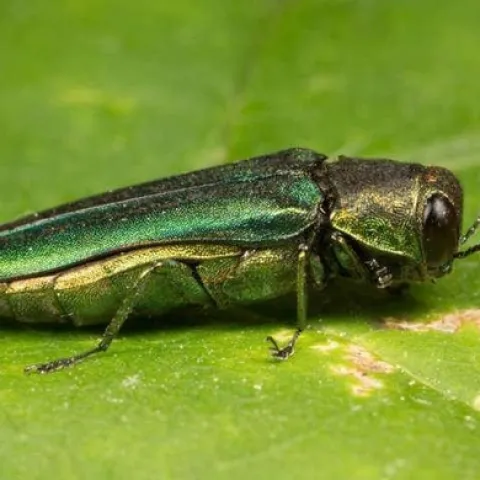
Emerald ash borer
UC Master Gardeners- Diggin' it in SLO: Article

Emerald Ash Borer

December 20, 2018
Emerald Ash Borer By Norman Smith UCCE Master Gardener Emerald Ash Borer has been devastating to a group of trees. Fortunately, about the only good news concerning this insect is that it has not been found in California - yet.
View Article
ANR Contracts & Grants Updates: Article

Happy Holidays!

December 20, 2018
By Kathleen P Nolan
Dear Colleagues, On behalf of your UC ANR Contracts and Grants team, I wish you a wonderful holiday season and a Happy New Year! We are honored to assist you with identifying funding, developing proposals, and processing awards.
View Article
AsisTel: Article

You are covered if you are hurt on the job

December 20, 2018
By Jeannette Warnert
If you get hurt on the job, your employer is required by law to pay for workers' compensation benefits. You could get hurt by a sudden accident at work or by exposure to chemicals, loud noise or doing the same motion over and over.
View Article
AsisTel: Article

You can help reduce your risk of injury

December 20, 2018
By Jeannette Warnert
Agriculture is among the most hazardous industries in the United States. Many farmworkers fear contamination from agricultural chemicals and pesticides, but injuries from chemical exposure make up only 2 percent of the total.
View Article
AsisTel: Article

Why heat stress happens

December 20, 2018
By Jeannette Warnert
Although employers are required to provide drinking water on the job, many workers don't drink enough of it. Some may feel their supervisor doesn't approve or they don't want to take time out when working at a piece rate. Others tend to wait until they feel thirsty.
View Article