A Natural Solution for California's Herds: African Catfish Peptides

California's cattle producers and agricultural communities are all too familiar with the rising challenge of antibiotic resistance, making common bacterial infections harder to treat in livestock. But imagine a future where we could tackle these infections with a natural, powerful alternative. Our research points to just that: antimicrobial peptides (AMPs) found in African catfish.

We're really excited about these peptides because African catfish thrive in pathogen-rich freshwater, naturally producing these robust immune compounds in their skin mucus as a defense. This natural origin makes them highly appealing alternatives to synthetic drugs.

Predicted Safety and Potent Action

One of the most compelling aspects of these AMPs is their predicted safety for mammals. Our initial computer analyses suggest that various catfish AMPs are generally recognized as safe (GRAS). We predict they'll be absorbed in the human intestine without causing liver, brain, or heart toxicity. Furthermore, lab tests on a promising peptide, NACAP-II, confirmed it was non-hemolytic, meaning it didn't damage rabbit red blood cells—a strong indicator of its potential safety for mammalian cells.

Beyond safety, these peptides demonstrate effectiveness against problematic bacteria. One study revealed NACAP-II's strong activity against Extended-Spectrum Beta-Lactamase (ESBL)-producing Escherichia coli—a critical concern for both animal and human health due to its resistance to many common antibiotics. Another peptide, ACAP-IV, also showed antibacterial activity against E. coli and Staphylococcus aureus. We believe these AMPs work by directly disrupting bacterial cell membranes, a mechanism that makes it harder for bacteria to develop resistance compared to how they resist traditional antibiotics.
Primary Image
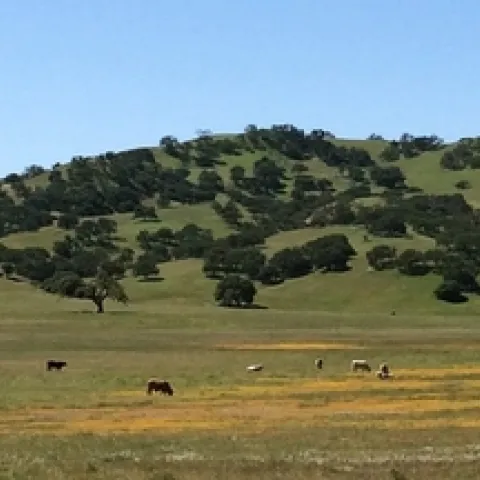
Landscape and oaks
Livestock & Range: Article

What do you want to know about oaks?

September 22, 2018
By Devii R Rao
A few Livestock Advisors in Central California are interested in developing a research project on oaks and we want to make sure the project will be valuable to you! I'm hoping you will be willing to take 3 minutes to fill out a survey about why oaks are important to you and what info you need about...
View Article
Primary Image
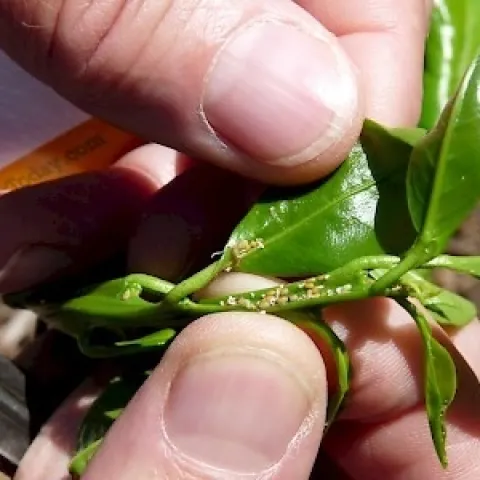
Hackberry woolly aphids. [Credit: Jack Kelly Clark]
Community Pest News: Article

A sticky mess

September 21, 2018
By Karey Windbiel-Rojas
Around this same time last year, I posted an article called "What's this sticky stuff on my car?". Well, it's that time of year again when we see the sticky, messy drippings from many different kinds of trees that are infested with a honeydew-producing insect.
View Article
Primary Image
cattle
ANR Employee News: Article

Rustici rangeland and cattle research proposals due Nov. 7

September 21, 2018
By Pamela S Kan-Rice
Russell L. Rustici Rangeland and Cattle Research Endowment funding is available to University of California personnel to support problem-solving research that will benefit California range cattle producers.
View Article
ANR Employee News: Article

ANR to close for winter holidays

September 21, 2018
By Pamela S Kan-Rice
To help with planning, I am writing to confirm this year's winter holiday closure schedule. ANR units including Research and Extension Centers, BOC Kearney, UCCE county offices and the Second Street Building in Davis will be closed from Monday, Dec. 24, 2018, through Tuesday, Jan.
View Article
Stanislaus County: Article

Evapotranspiration Report - 9/20/2018

September 21, 2018
Hello all, Please find the attached document to provide the previous weeks estimated water use report in terms of evapotranspiration for almonds, peaches, walnuts, established vineyard, alfalfa, and pasture in Stanislaus County.
View Article
Primary Image
ACP 1

ACP Scouting and Monitoring Workshop for Growers in Riverside County

September 21, 2018
By Sonia I Rios
The University of California Cooperative Extension is hosting free workshops for citrus grove owners, managers and farmers. The workshop will provide an overview of proper Asian citrus psyllid (ACP) scouting techniques from University of California research entomologists Dr. Monique Rivera.
View Article