A Natural Solution for California's Herds: African Catfish Peptides

California's cattle producers and agricultural communities are all too familiar with the rising challenge of antibiotic resistance, making common bacterial infections harder to treat in livestock. But imagine a future where we could tackle these infections with a natural, powerful alternative. Our research points to just that: antimicrobial peptides (AMPs) found in African catfish.

We're really excited about these peptides because African catfish thrive in pathogen-rich freshwater, naturally producing these robust immune compounds in their skin mucus as a defense. This natural origin makes them highly appealing alternatives to synthetic drugs.

Predicted Safety and Potent Action

One of the most compelling aspects of these AMPs is their predicted safety for mammals. Our initial computer analyses suggest that various catfish AMPs are generally recognized as safe (GRAS). We predict they'll be absorbed in the human intestine without causing liver, brain, or heart toxicity. Furthermore, lab tests on a promising peptide, NACAP-II, confirmed it was non-hemolytic, meaning it didn't damage rabbit red blood cells—a strong indicator of its potential safety for mammalian cells.

Beyond safety, these peptides demonstrate effectiveness against problematic bacteria. One study revealed NACAP-II's strong activity against Extended-Spectrum Beta-Lactamase (ESBL)-producing Escherichia coli—a critical concern for both animal and human health due to its resistance to many common antibiotics. Another peptide, ACAP-IV, also showed antibacterial activity against E. coli and Staphylococcus aureus. We believe these AMPs work by directly disrupting bacterial cell membranes, a mechanism that makes it harder for bacteria to develop resistance compared to how they resist traditional antibiotics.
Primary Image
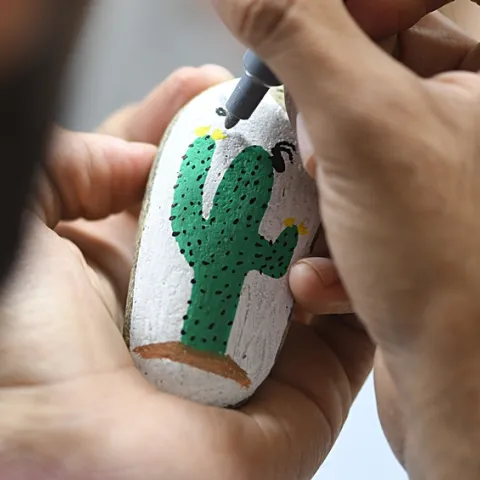
Entomologist Joel Hernandez adds the finishing touches on a rock painted by his wife, Melissa Cruz, the outreach coordinator for the UC Davis Arboretum and Public Garden. (Photo by Kathy Keatley Garvey)
Bug Squad: Article

Why the Bohart Museum of Entomology Rocks!

September 24, 2018
By Kathy Keatley Garvey
The Bohart Museum of Entomology at the University of California, Davis, rocks! Directed by Lynn Kimsey, UC Davis professor of entomology, the insect museum is named for noted entomologist Richard M. Bohart.
View Article
Primary Image
Feeding by aphids created this sticky honeydew on crape myrtle leaves. (Credit: Belinda Messenger-Sikes)
Pests in the Urban Landscape: Article

Sticky mess on plants

September 24, 2018
By Anne E Schellman
Are you seeing cars, sidewalks, driveways, or other plants covered in sticky stuff, especially those under trees? This sticky substance, called honeydew, is produced by certain insects that excrete it when they feed on plants.
View Article
Primary Image
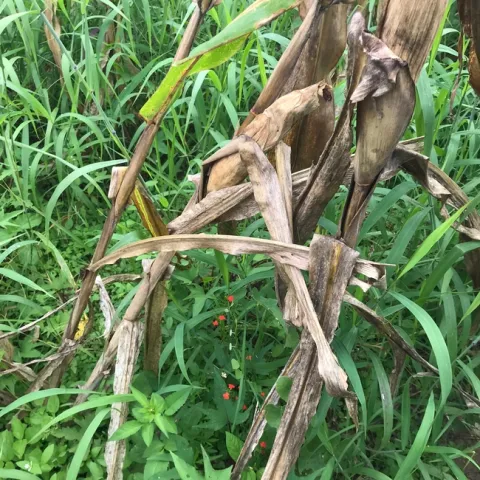
Striga (witchweed) growing in a corn field.
UC Weed Science (weed control, management, ecology, and minutia): Article

Why I Left my Boots in Mozambique

September 24, 2018
By Sarah E Light
In March of this year I traveled to Chimoio, Mozambique to provide an Integrated Pest Management training to a group of farmers through the USAID Farmer-to-Farmer program. On my first day at the farm, we toured the farm and discussed their worst pest issues.
View Article
Primary Image
1 (3)
UC CalFresh Fresno/Madera Counties: Article

Summer Meals in Madera County

September 24, 2018
By Ruth Salazar
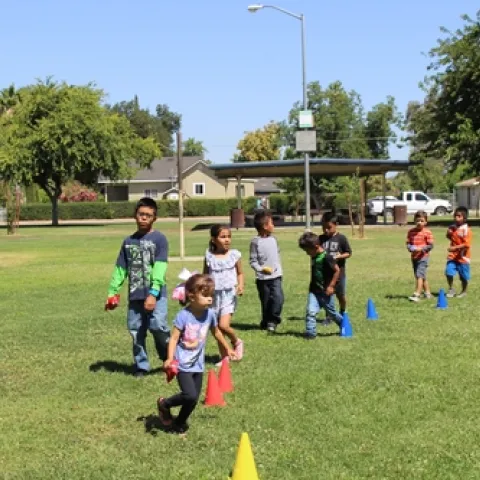
The UC CalFresh Nutrition Education Program partnered with Dairy Council of California, Madera County and Public Health for this year's Summer Meals in Madera County. The event's goal was to provide meals to children during the summer as well as provide fun physical activities.
View Article
Primary Image
Geoffrey Attardo, seminar coordinator
Entomology & Nematology News: Article

Fall Seminars Announced

September 24, 2018
By Kathy Keatley Garvey
The list of seminars hosted by the UC Davis Department of Entomology and Nematology for the fall quarter has been announced.
View Article
Article

ANR funding support update

September 24, 2018
By Pamela S Kan-Rice
Colleagues, As mandated costs continue to outpace available funds, UC ANR is taking action to ensure financial prudence while continuing to devote our limited resources to our priorities.
View Article
Primary Image
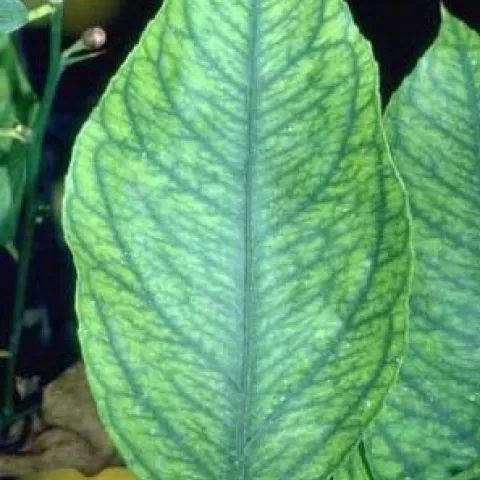
iron deficiency citrus
Topics in Subtropics: Article

Leaf Analysis Time

September 24, 2018
By Ben A Faber
Fire damaged. Heat damaged trees. When they leaf out, these often are not the leaves that are intended for traditional leaf analysis at this time of year. This would be especially true if the trees had lost all of the fruit for this year and possibly the next due to weather damage.
View Article
Primary Image
greenhouse
HOrT COCO-UC Master Gardener Program of Contra Costa: Article

Growing Winter Tomatoes in a Greenhouse

September 24, 2018
Advice for the Home Gardener from the Help Desk of the UC Master Gardener Program of Contra Costa County Client's Request: I've just set up a small garden greenhouse. It has a heater, warming mats, fans, etc. I'm thinking about growing tomatoes during the winter.
View Article
Primary Image
Jul 18 footprint
ANR Adventures: Article

Growth opportunities

September 23, 2018
By Wendy Powers
My mind remains where it was last week wrestling with the reality that central funding does not facilitate growth and reliance on it becomes a shrinking proposition. Unfortunately the academic footprint numbers are a stark reminder of this. Take a look.
View Article