A Natural Solution for California's Herds: African Catfish Peptides

California's cattle producers and agricultural communities are all too familiar with the rising challenge of antibiotic resistance, making common bacterial infections harder to treat in livestock. But imagine a future where we could tackle these infections with a natural, powerful alternative. Our research points to just that: antimicrobial peptides (AMPs) found in African catfish.

We're really excited about these peptides because African catfish thrive in pathogen-rich freshwater, naturally producing these robust immune compounds in their skin mucus as a defense. This natural origin makes them highly appealing alternatives to synthetic drugs.

Predicted Safety and Potent Action

One of the most compelling aspects of these AMPs is their predicted safety for mammals. Our initial computer analyses suggest that various catfish AMPs are generally recognized as safe (GRAS). We predict they'll be absorbed in the human intestine without causing liver, brain, or heart toxicity. Furthermore, lab tests on a promising peptide, NACAP-II, confirmed it was non-hemolytic, meaning it didn't damage rabbit red blood cells—a strong indicator of its potential safety for mammalian cells.

Beyond safety, these peptides demonstrate effectiveness against problematic bacteria. One study revealed NACAP-II's strong activity against Extended-Spectrum Beta-Lactamase (ESBL)-producing Escherichia coli—a critical concern for both animal and human health due to its resistance to many common antibiotics. Another peptide, ACAP-IV, also showed antibacterial activity against E. coli and Staphylococcus aureus. We believe these AMPs work by directly disrupting bacterial cell membranes, a mechanism that makes it harder for bacteria to develop resistance compared to how they resist traditional antibiotics.
Primary Image
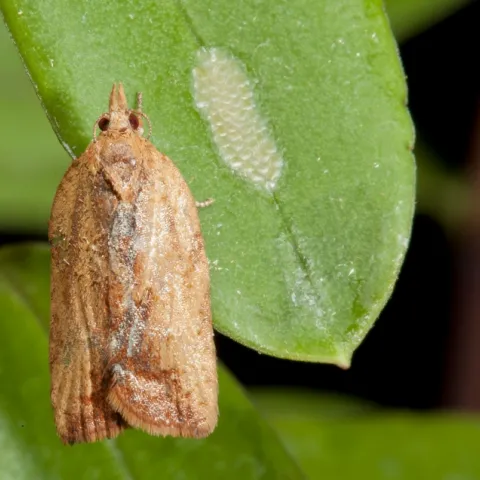
Light brown apple moth adult and egg mass. Photo by S. Tjosvold
Nursery and Flower Grower: Article

Light Brown Apple Moth and Targeting Vulnerable Young Larvae

September 26, 2018
By Steven A Tjosvold
The Light Brown Apple Moth (LBAM) is an important invasive pest for California, and is established in much of California's coastal and some inland areas where nursery products are produced. It is a federally and state regulated pest in many ornamental and fruit crops.
View Article
Kern County: Article

Kern UCCE/DWR Weekly Crop Water Use Report 09-24-2018

September 26, 2018
Please see below link to access "How To Use Weekly Crop Water Use (ET) Reports to Assist Farm Water Management" How To Use Weekly Crop Water Use Report Please see below link to access "Weekly ET Report 09-24-18" ET Report 09-24-2018 Please see disclaimer link below: University of California Division...
View Article
Livestock, Range and Natural Resources: Article

Fall 2018

September 26, 2018
In this issue: Help us focus an oak research project! SB 88 reporting requirements SB 88 / AB 589 workshops in October Small Flock Egg Producers' Workshop October 4 Wildfire, Rangelands, and UCCE...
View Article
Primary Image
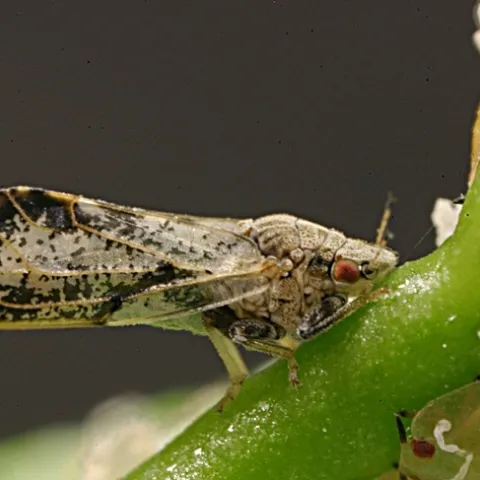
The Asian citrus psyllid, about the size of an aphid, is a major threat to the multibillion dollar citrus industry in the United States.(Photo courtesy of the California Department of Food and Agriculture)
Bug Squad: Article

Targeting the Asian Citrus Psyllid

September 25, 2018
By Kathy Keatley Garvey
While you're peeling and segmenting your orange at breakfast or spooning orange honey on your toast, you're probably not thinking about the Asian citrus psyllid.
View Article
Article

LISTEN: “Fall Planted Bulbs and Corms” On In The Garden Radio

September 25, 2018
Sally and Steve will discuss the differences between two primary forms of underground food storage systems. That boring, technical description is exactly what Bulbs (e.g., Amaryllis, Daffodil) and Corms (e.g., Gladiolus, Freesia) are and why they produce such glorious color every year.
View Article