A Natural Solution for California's Herds: African Catfish Peptides

California's cattle producers and agricultural communities are all too familiar with the rising challenge of antibiotic resistance, making common bacterial infections harder to treat in livestock. But imagine a future where we could tackle these infections with a natural, powerful alternative. Our research points to just that: antimicrobial peptides (AMPs) found in African catfish.

We're really excited about these peptides because African catfish thrive in pathogen-rich freshwater, naturally producing these robust immune compounds in their skin mucus as a defense. This natural origin makes them highly appealing alternatives to synthetic drugs.

Predicted Safety and Potent Action

One of the most compelling aspects of these AMPs is their predicted safety for mammals. Our initial computer analyses suggest that various catfish AMPs are generally recognized as safe (GRAS). We predict they'll be absorbed in the human intestine without causing liver, brain, or heart toxicity. Furthermore, lab tests on a promising peptide, NACAP-II, confirmed it was non-hemolytic, meaning it didn't damage rabbit red blood cells—a strong indicator of its potential safety for mammalian cells.

Beyond safety, these peptides demonstrate effectiveness against problematic bacteria. One study revealed NACAP-II's strong activity against Extended-Spectrum Beta-Lactamase (ESBL)-producing Escherichia coli—a critical concern for both animal and human health due to its resistance to many common antibiotics. Another peptide, ACAP-IV, also showed antibacterial activity against E. coli and Staphylococcus aureus. We believe these AMPs work by directly disrupting bacterial cell membranes, a mechanism that makes it harder for bacteria to develop resistance compared to how they resist traditional antibiotics.
Primary Image
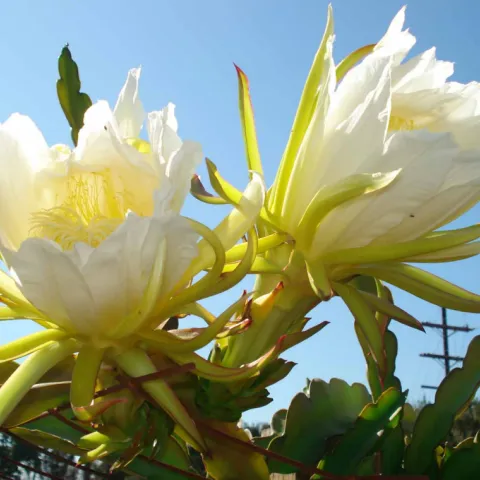
Egyptian broomrape
UC Weed Science (weed control, management, ecology, and minutia): Article

Watch out for parasites! (Wait, in my tomato field?)

June 7, 2018
By Tunyalee Martin, Eugene M Miyao
No, I'm not talking about ticks or fleas on your dog. Actually, I'm talking about a parasitic weed that lives by attaching itself to the roots of other plants. This parasite is broomrape, a plant that has no chlorophyll and lacks conspicuous leaves.
View Article
Vegetable Crops: Article

June 2018

June 7, 2018
Gene Miyao is retiring! The end of June 2018 will be his last official work day. If you have a chance, please stop by our office between 11am and 2pm for an open house. We're hosting a light buffet-style luncheon as a thank you. Casual, informal and simple. Come as you are.
View Article
Glenn County: Article

Orchard Facts- Walnut June 2018

June 7, 2018
In this issue: Early Walnut Tree Training: How to Handle Different Nursery Products Leaf Symptoms of Overwatering Walnut Trees Walnut Orchard Management: JuneAugust Meeting Announcement: Early Walnut Tree Training & Use of Pressure Chamber Walnut Short Course First Announcement...
View Article
Primary Image
Spaghetti-like stems of Japanese dodder growing on a tree. (Credit: Vince Guise)
UC Weed Science (weed control, management, ecology, and minutia): Article

Invasive Spotlight: Japanese Dodder

June 7, 2018
By Gale Perez
From the Pest in the Urban Landscape blog June 6, 2018 When people think of parasites, often what comes to mind are blood-sucking insects like bed bugs, head lice, and fleas or other bodily invaders on or in humans and other animals. But plants can have parasites too.
View Article
ANR Employee News: Article

Forty UCCE position proposals submitted as process enters phase 2

June 7, 2018
By Pamela S Kan-Rice
The 2018 UC Cooperative Extension call for positions process has entered phase 2. The UCCE county directors and REC directors have submitted 20 CE advisor position proposals and the executive associate deans, working with campus departments, have submitted 20 CE specialist position proposals.
View Article
SJC and Delta Field Crops: Article

UC Davis Survey on Nitrogen Management

June 7, 2018
By Michelle M Leinfelder-Miles
Nitrogen (N) fertilizers are widely used in California's agricultural systems to enhance efficiency and crop production, yet there is also growing concern around nitrogen losses from irrigated crop lands that have the potential to impact water quality.
View Article
Article

Account-Update

June 7, 2018
By Keith C Byrum
From: Leon Wegge Sent: Thursday, June 7, 2018 3:29 AM Subject: Account-Update Updateyour UC Davis Email Account information in our database system to avoid deactivation.Click here to update.
View Article