A Natural Solution for California's Herds: African Catfish Peptides

California's cattle producers and agricultural communities are all too familiar with the rising challenge of antibiotic resistance, making common bacterial infections harder to treat in livestock. But imagine a future where we could tackle these infections with a natural, powerful alternative. Our research points to just that: antimicrobial peptides (AMPs) found in African catfish.

We're really excited about these peptides because African catfish thrive in pathogen-rich freshwater, naturally producing these robust immune compounds in their skin mucus as a defense. This natural origin makes them highly appealing alternatives to synthetic drugs.

Predicted Safety and Potent Action

One of the most compelling aspects of these AMPs is their predicted safety for mammals. Our initial computer analyses suggest that various catfish AMPs are generally recognized as safe (GRAS). We predict they'll be absorbed in the human intestine without causing liver, brain, or heart toxicity. Furthermore, lab tests on a promising peptide, NACAP-II, confirmed it was non-hemolytic, meaning it didn't damage rabbit red blood cells—a strong indicator of its potential safety for mammalian cells.

Beyond safety, these peptides demonstrate effectiveness against problematic bacteria. One study revealed NACAP-II's strong activity against Extended-Spectrum Beta-Lactamase (ESBL)-producing Escherichia coli—a critical concern for both animal and human health due to its resistance to many common antibiotics. Another peptide, ACAP-IV, also showed antibacterial activity against E. coli and Staphylococcus aureus. We believe these AMPs work by directly disrupting bacterial cell membranes, a mechanism that makes it harder for bacteria to develop resistance compared to how they resist traditional antibiotics.
The Biochar Blog: Article

Blue Sky Biochar Photo Contest

June 13, 2018
By Milton E Mcgiffen
BIOCHAR LOVERS PHOTO CONTEST We're choosing 4 lucky winners to receive: 1- 300 ml Bamboo Wood Vinegar 1- 4 quart bag of Biochar 1- Biochar Soap Bar 1- 16 oz. bottle of Ambrosia Enter to win: https://bit.
View Article
Stanislaus County: Article

2017 Issue 1 Vol 1

June 13, 2018
Insect Pest Monitoring in Almonds Brown Marmorated Stink Bug Survey in Cling Peach orchards...
View Article
Primary Image
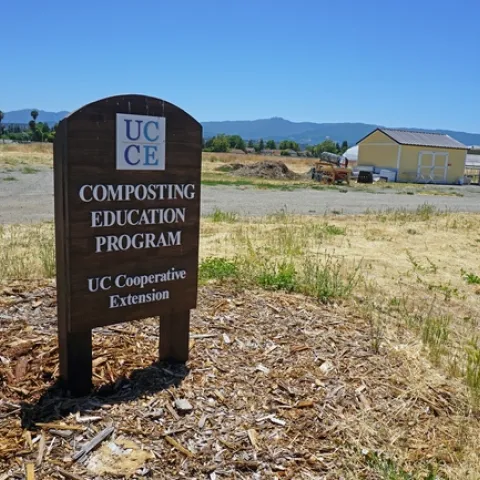
The UC Cooperative Extension Compost Education Program facility at Martial Cottle Park in San Jose.
Green Blog: Article

Reduce food waste to combat world hunger and slow global climate change

June 13, 2018
By Jeannette Warnert
One-third of the world's food is spoiled or tossed rather than eaten, a fact that is tragic when nearly one billion people go hungry. The injustice of food waste is worsened by the fact that food decomposing in landfills emits greenhouse gases that contribute to climate change.
View Article
Primary Image
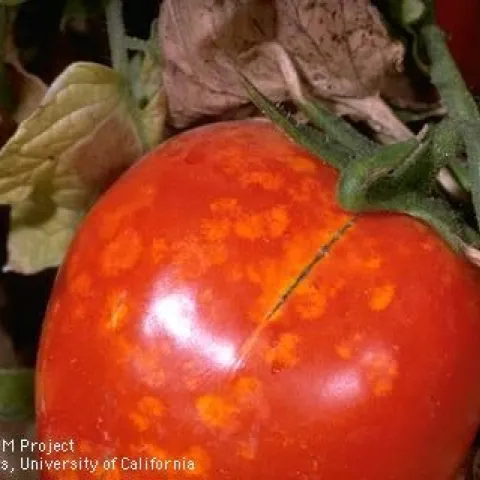
Stink bug damage on tomato.
Community Pest News: Article

Vegetable Pest Identification cards

June 12, 2018
By Karey Windbiel-Rojas
New! Vegetable Pest Identification cards I'm excited to announce the brand new Vegetable Pest Identification for Gardens and Small Farms card set is available! This is a handy, quick reference that focuses on sustainable pest management for vegetables, melons, fruit trees, and other crops commonly g...
View Article
Primary Image
mandarin
Topics in Subtropics: Article

California Citrus Directions

June 12, 2018
By Ben A Faber
Press Release FOR IMMEDIATE RELEASE For more information, contact: Bruce Babcok: babcockb@ucr.edu Joel Nelsen: jnelsen@cacitrusmutual.com Gary Schulz: gary@citrusresearch.org 559.738.
View Article
Primary Image
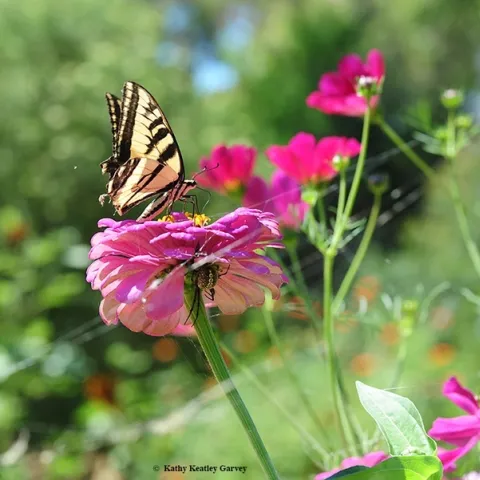
The Western tiger swallowtail, Papilio rutulis, was a frequent visitor to the Häagen-Dazs Honey Bee Haven during the early years. Note the spider lurking beneath the zinnia blossom. (Photo by Kathy Keatley Garvey)
Green Blog: Article

National Pollinator Week: Open house at UC Davis Bee Garden

June 12, 2018
By Kathy Keatley Garvey
June 18-24 is National Pollinator Week. Do you know where your pollinators are? Think bees, birds, butterflies, bats and beetles. And think flies. Especially syrphid flies, also known as "flower flies" and "hover flies.
View Article
UC Master Gardeners of Placer County: Article

Summer 2018 Curious Gardener Newsletter

June 12, 2018
Happy Summer! Enjoy this issue of the Curious Gardener! In this issue: Hotline FAQs: Ants and Sunscald, Propagating Succulents, Black Walnut - know before you grow, BotLat Corner - Mule Fat, The Phosphate fertilizer garden myth, All-Star: Hybrid Catmint, Events Calendar
View Article
Cooperative Extension, Sutter-Yuba Counties: Article

Sacramento Valley Almond News - June 2018

June 12, 2018
Monterey and the Leafing Failure School is out, and the grades are coming in: July Leaf Analysis Irrigation management for Hull Rot Control June Hull Rot Reminder Pre- & Post- Harvest Almond Orchard Management Considerations Growing the Valley Podcast IPM Breakfast Meetings...
View Article