A Natural Solution for California's Herds: African Catfish Peptides

California's cattle producers and agricultural communities are all too familiar with the rising challenge of antibiotic resistance, making common bacterial infections harder to treat in livestock. But imagine a future where we could tackle these infections with a natural, powerful alternative. Our research points to just that: antimicrobial peptides (AMPs) found in African catfish.

We're really excited about these peptides because African catfish thrive in pathogen-rich freshwater, naturally producing these robust immune compounds in their skin mucus as a defense. This natural origin makes them highly appealing alternatives to synthetic drugs.

Predicted Safety and Potent Action

One of the most compelling aspects of these AMPs is their predicted safety for mammals. Our initial computer analyses suggest that various catfish AMPs are generally recognized as safe (GRAS). We predict they'll be absorbed in the human intestine without causing liver, brain, or heart toxicity. Furthermore, lab tests on a promising peptide, NACAP-II, confirmed it was non-hemolytic, meaning it didn't damage rabbit red blood cells—a strong indicator of its potential safety for mammalian cells.

Beyond safety, these peptides demonstrate effectiveness against problematic bacteria. One study revealed NACAP-II's strong activity against Extended-Spectrum Beta-Lactamase (ESBL)-producing Escherichia coli—a critical concern for both animal and human health due to its resistance to many common antibiotics. Another peptide, ACAP-IV, also showed antibacterial activity against E. coli and Staphylococcus aureus. We believe these AMPs work by directly disrupting bacterial cell membranes, a mechanism that makes it harder for bacteria to develop resistance compared to how they resist traditional antibiotics.

Primary Image
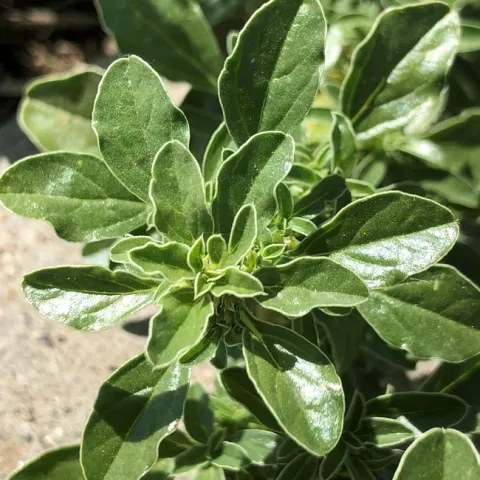
Prostrate pigweed leaves 2
Notes in the Margins: Agronomy and Weed Science Musings: Article

Pigweed identification (a quick guide)

June 13, 2018
According to the CalFlora website (http://www.calflora.org/), 21 species of amaranths occur (to some extent) in California. While many are non-native, a few, including prostrate pigweed (Amaranthus blitoides) and Palmer amaranth (Amaranthus palmeri), are indigenous.
View Article
Cooperative Extension, Sutter-Yuba Counties: Article

Sacramento Valley Field Crop Newsletter - Summer 2018

June 13, 2018
Post emergent weed control management in beans UC Davis Dry Bean Field Day UC IPM Guidelines for Dry Beans and Abiotic Disorders Avoiding and Managing Soil Compaction Cover Crop and Soil Health Project Coming Soon! Spider Mites in Corn Disease issues in garbanzo production New Cost and Return Study...
View Article
Notes in the Margins: Agronomy and Weed Science Musings: Article

Upcoming Extension Meetings: July 2018

June 13, 2018
Whether you need continuing education credits or are interested in keeping abreast of the latest weed science-related research occurring in California (or both), you should be aware that there are three excellet extension events coming up in July of 2018.
View Article
Tulare County Cooperative Extension: Article

June 2018

June 13, 2018
Central Valley Almond Day June 20, 2018 7:00 am - 2:00 pm Fresno Fairgrounds Commerce Building 1121 S. Chance Ave. Fresno, CA 93702 FREE EVENT! Pre-register at: wcngg.
View Article
Primary Image
At the 2016 Championship Linnaean Games, team captain Ralph Washington Jr. (far right) consults wiith fellow team members Emily Bick and Brendon Boudinot. (Photo by Chuck Fazio)
Entomology & Nematology News: Article

UC Berkeley-UC Davis Team Wins PBESA Linnaean Games

June 13, 2018
By Kathy Keatley Garvey
The UC Berkeley-UC Davis Linnaean Games Team, comprised of graduate students from UC Berkeley and UC Davis, won the championship at the regional Linnaean Games hosted by the Pacific Branch, Entomological Society of America (PBESA) at its meeting June 10-13 in Reno.
View Article