A Natural Solution for California's Herds: African Catfish Peptides

California's cattle producers and agricultural communities are all too familiar with the rising challenge of antibiotic resistance, making common bacterial infections harder to treat in livestock. But imagine a future where we could tackle these infections with a natural, powerful alternative. Our research points to just that: antimicrobial peptides (AMPs) found in African catfish.

We're really excited about these peptides because African catfish thrive in pathogen-rich freshwater, naturally producing these robust immune compounds in their skin mucus as a defense. This natural origin makes them highly appealing alternatives to synthetic drugs.

Predicted Safety and Potent Action

One of the most compelling aspects of these AMPs is their predicted safety for mammals. Our initial computer analyses suggest that various catfish AMPs are generally recognized as safe (GRAS). We predict they'll be absorbed in the human intestine without causing liver, brain, or heart toxicity. Furthermore, lab tests on a promising peptide, NACAP-II, confirmed it was non-hemolytic, meaning it didn't damage rabbit red blood cells—a strong indicator of its potential safety for mammalian cells.

Beyond safety, these peptides demonstrate effectiveness against problematic bacteria. One study revealed NACAP-II's strong activity against Extended-Spectrum Beta-Lactamase (ESBL)-producing Escherichia coli—a critical concern for both animal and human health due to its resistance to many common antibiotics. Another peptide, ACAP-IV, also showed antibacterial activity against E. coli and Staphylococcus aureus. We believe these AMPs work by directly disrupting bacterial cell membranes, a mechanism that makes it harder for bacteria to develop resistance compared to how they resist traditional antibiotics.
Event Primary Image
UC NFA logo
UC Cooperative Extension San Diego County : Event

2025 California Nursery Conference

Event Date
Sep 10, 2025 - Sep 11, 2025

2025 California Nursery Conference BOTH SEMINARS AND NURSERY TOURThe California Nursery Conference is an annual coming together of nursery growers, academics, policy makers, and allied industry professionals. The event has been organized for over thirty years now (since the 1980s) by members of the…
UC Cooperative Extension San Diego County
View Event
Event Primary Image
jelly
UC Master Food Preservers of Central Sierra: Event

Food Preservation Basics: Jams and Jellies - Online! 

Event Date
Aug 20, 2025

Preserving the summer harvest is fun, easy and safe when you know how to make jams and jellies. This online class will teach you a variety of recipes and techniques including boiling water and steam canning. UC Master Food Preserver volunteers will walk you through the science and art of preserving these…
UC Master Food Preservers of Central Sierra
View Event
Primary Image
Attendees at the 2025 Science and Strategy Convening
Santa Cruz Forests Update: Article

ISHB Science and Strategy Convening Draws Land Managers, Scientists, and Decision Makers to Felton

July 30, 2025
By Brian Woodward
In response to the identification of a new species of invasive shothole borer (ISHB) for the western United States, the “Greater Shothole Borer” (Euwallacea interjectus), in Felton late last year, the University of California (UC) Cooperative Extension and partners at UC Davis and the County of Santa Cruz…
View Article
UC Master Gardeners of Orange County: Page

Vermicomposting & Vermiculture - Orange County

About two-thirds of the waste stream is made up of organic materials, including paper and food waste. While paper can often be recycled, food waste has fewer useful disposal options besides composting. One effective method is vermicomposting, which uses worms to recycle kitchen scraps.  This method…
View Page
Primary Image
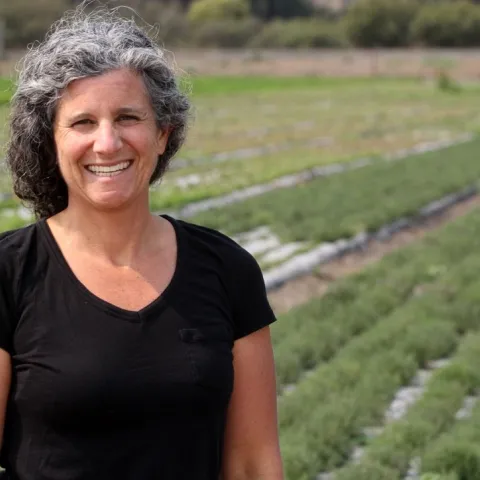
Emily Jane Freed smiles in a field of thyme at Jacobs Farm/del Cabo, Inc. in Santa Cruz County
Food Blog: Article

New director to elevate UC Cooperative Extension impact on Central Coast

July 30, 2025
By Michael Hsu
Emily Jane Freed began as UC Cooperative Extension area director for Monterey, San Benito and Santa Cruz counties in June. She brings experience in agriculture issues, logistics and emergency services administration and she aims to help UCCE academics provide even greater benefit to local communities.
View Article
Primary Image
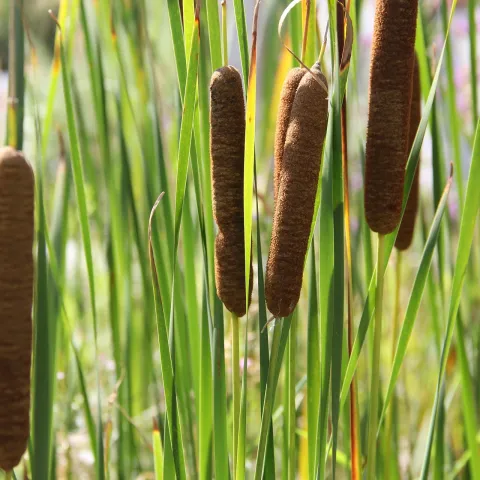
cattail plants
Under the Solano Sun: Article

Suisun Marsh

July 30, 2025
By Jennifer M Baumbach
Blog by Nancy ForrestA few weeks ago, we took the Suisun City representatives on a boat trip through Suisun Marsh. The marsh is the largest continuous brackish water wetland on the West Coast. Fresh water from the Sacramento and San Joaquin rivers meets the saline water from the San Francisco Bay and the…
View Article
Primary Image
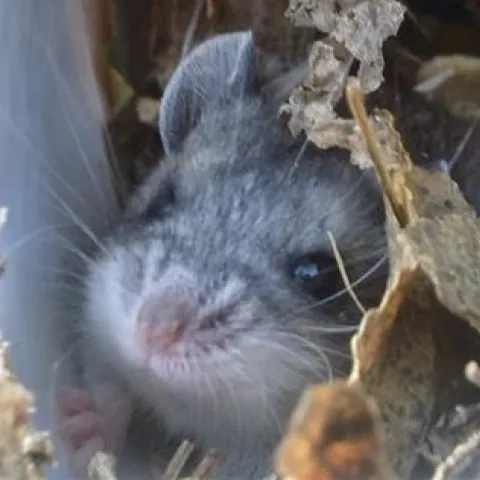
A grey mouse under brown leaves in a sideways plant pot.
Pests in the Urban Landscape: Article

Mouse in Your House?

July 30, 2025
By Belinda Messenger-Sikes
While they may look cute, no one really wants a mouse around the house. House mice eat up to 20% of their body weight daily, eating whatever food is available. They can contaminate our food and their gnawing can damage buildings, wiring, insulation, food packages, and more. Many fires of unknown origin are…
View Article