A Natural Solution for California's Herds: African Catfish Peptides

California's cattle producers and agricultural communities are all too familiar with the rising challenge of antibiotic resistance, making common bacterial infections harder to treat in livestock. But imagine a future where we could tackle these infections with a natural, powerful alternative. Our research points to just that: antimicrobial peptides (AMPs) found in African catfish.

We're really excited about these peptides because African catfish thrive in pathogen-rich freshwater, naturally producing these robust immune compounds in their skin mucus as a defense. This natural origin makes them highly appealing alternatives to synthetic drugs.

Predicted Safety and Potent Action

One of the most compelling aspects of these AMPs is their predicted safety for mammals. Our initial computer analyses suggest that various catfish AMPs are generally recognized as safe (GRAS). We predict they'll be absorbed in the human intestine without causing liver, brain, or heart toxicity. Furthermore, lab tests on a promising peptide, NACAP-II, confirmed it was non-hemolytic, meaning it didn't damage rabbit red blood cells—a strong indicator of its potential safety for mammalian cells.

Beyond safety, these peptides demonstrate effectiveness against problematic bacteria. One study revealed NACAP-II's strong activity against Extended-Spectrum Beta-Lactamase (ESBL)-producing Escherichia coli—a critical concern for both animal and human health due to its resistance to many common antibiotics. Another peptide, ACAP-IV, also showed antibacterial activity against E. coli and Staphylococcus aureus. We believe these AMPs work by directly disrupting bacterial cell membranes, a mechanism that makes it harder for bacteria to develop resistance compared to how they resist traditional antibiotics.

Event Primary Image
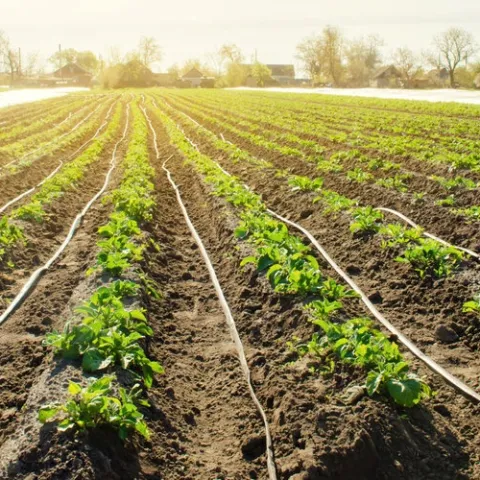
drip irrigation in a field
Grown in Marin: Event

Microirrigation for Crop Production

Event Date
Oct 13, 2025

Class lectures will be held in the UC Davis Conference Center. Field trips will be in the San Joaquin Valley and Central Coast of California.  Early Bird Pricing Lasts only until August 8.REGISTER FOR COURSEREGISTER FOR FIELD TRIPSATTENDING THIS SCHOOL WILL PROVIDE:– 3 days of practical class lectures…
Grown in Marin
View Event
UC Master Gardeners of Fresno County: Event

Community Ed. Class: Firewise Your Garden

Event Date
Oct 11, 2025

Saturday, Oct 11 10-11:30 AM FIREWISE YOUR GARDEN MG TANNER Wildfire resilience starts in your own backyard. This class introduces Firewise landscaping principles and explores how to maintain defensible space while preserving a vibrant, biodiverse garden. We’ll cover plant spacing, maintenance…
UC Master Gardeners of Fresno County
View Event
Event Primary Image
Fertilizers for your garden.
UC Master Gardeners of Solano County: Event

Fertilizing Your Garden

Event Date
Aug 29, 2025

Master Gardener Judy Hager will be at Dixon Library to teach us all about the best methods for fertilizing your home garden! Learn about how taking this extra step can help your plants grow healthier, strength your soil, and increase your garden yield. 
UC Master Gardeners of Solano County
View Event
Event Primary Image
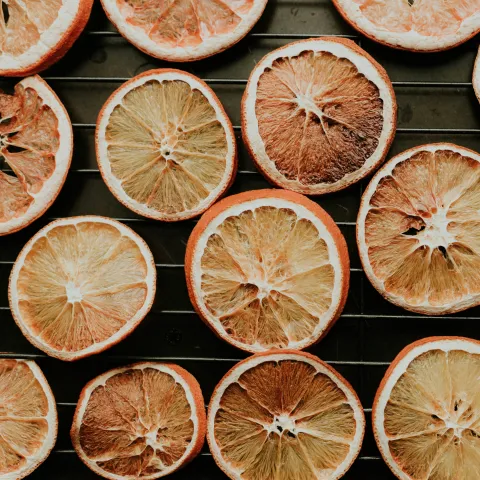
Dehydrate Citrus
UC Master Food Preservers of Solano and Yolo Counties: Event

Solano County: Dehydration Demonstration

Event Date
Aug 23, 2025

Learn about the tools you'll need to successfully dehydrate different foods and extend the life of your summer harvest! UC Master Food Preservers will discuss different techniques for dehydrating food at home. They will review tools, tips, and tricks for a successful dehydration process.
UC Master Food Preservers of Solano and Yolo Counties
View Event
Nutrition Policy Institute News: Article

NPI comments on proposed SNAP participant information database

July 29, 2025
By Danielle Lee, Christina E Hecht, Wendi Gosliner
The federal Supplemental Nutrition Assistance Program, commonly known as SNAP nationally and CalFresh in California, is the nation’s largest nutrition assistance program. It supports over 41 million families with low-income by providing monthly food benefits. The U.S. Department of Agriculture recently …
View Article
UC ANR Fire Network: Page

Drinking Water Safety

How Do Wildfires Affect Drinking Water Quality?Wildfires can introduce harmful chemical and microbial contaminants into drinking water sources, damage water infrastructure, and alter the chemical properties of delivered water supply. One major concern is the contamination from hazardous chemicals,…
View Page
Event Primary Image
USDA 101 programs
Grown in Marin: Event

USDA 101 Programs

Event Date
Aug 28, 2025

USDA Agencies, the Farm Service Agency (FSA), the Natural Resources Conservation Service (NRCS), Rural Development (RD), and the Office of Partnerships & Public Engagement (OPPE) will host a USDA Programs 101 in-person information session on Thursday, August 28, 2025, from 9 a.m. to 11 a.m. PT…
Grown in Marin
View Event
Primary Image
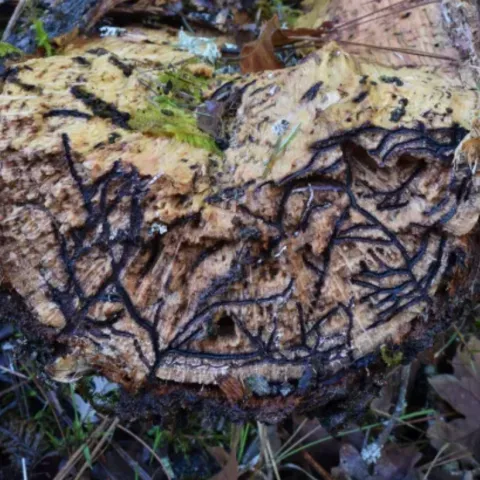
Mediterranean oak borer tree trunk cross section
UC Marin Master Gardeners: Article

The Mediterranean Oak Borer: a tiny threat to Marin’s majestic oaks

July 29, 2025
By Bonnie A Nielsen
 As you wander beneath Marin County’s stately white oaks, such as valley and blue oaks, be aware some little troublemakers are on the move. The Mediterranean oak borer (Xyleborus monographus), a beetle scarcely bigger than a peppercorn—about 3 millimeters long, or one-eighth of an inch—is quietly…
View Article
Primary Image
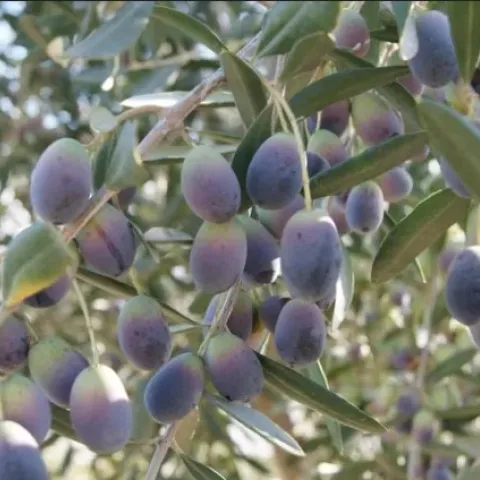
Photo of olives growing on a tree.
The Savvy Sage: Article

Ask a Master Gardener

July 29, 2025
By Deborah Cunningham
 This series provides answers to selected questions recently submitted to the UC Master Gardeners of Yolo County Help Desk.Question: I have several olive trees in my yard. How do I best care for them?Answer: The Sacramento Valley has an ideal climate for growing olive trees, with its hot, dry summers…
View Article