A Natural Solution for California's Herds: African Catfish Peptides

California's cattle producers and agricultural communities are all too familiar with the rising challenge of antibiotic resistance, making common bacterial infections harder to treat in livestock. But imagine a future where we could tackle these infections with a natural, powerful alternative. Our research points to just that: antimicrobial peptides (AMPs) found in African catfish.

We're really excited about these peptides because African catfish thrive in pathogen-rich freshwater, naturally producing these robust immune compounds in their skin mucus as a defense. This natural origin makes them highly appealing alternatives to synthetic drugs.

Predicted Safety and Potent Action

One of the most compelling aspects of these AMPs is their predicted safety for mammals. Our initial computer analyses suggest that various catfish AMPs are generally recognized as safe (GRAS). We predict they'll be absorbed in the human intestine without causing liver, brain, or heart toxicity. Furthermore, lab tests on a promising peptide, NACAP-II, confirmed it was non-hemolytic, meaning it didn't damage rabbit red blood cells—a strong indicator of its potential safety for mammalian cells.

Beyond safety, these peptides demonstrate effectiveness against problematic bacteria. One study revealed NACAP-II's strong activity against Extended-Spectrum Beta-Lactamase (ESBL)-producing Escherichia coli—a critical concern for both animal and human health due to its resistance to many common antibiotics. Another peptide, ACAP-IV, also showed antibacterial activity against E. coli and Staphylococcus aureus. We believe these AMPs work by directly disrupting bacterial cell membranes, a mechanism that makes it harder for bacteria to develop resistance compared to how they resist traditional antibiotics.
Livestock & Range: Article

Fighting Foxtail in a Small Pasture

November 3, 2017
By Devii R Rao
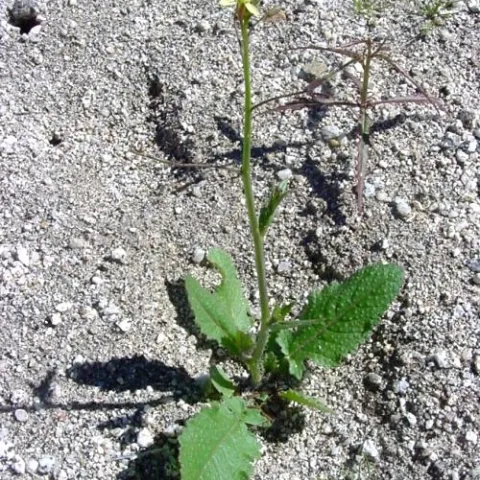
Foxtail (Hordeum murinum) is a pest plant that can dominate pastures on the Central Coast. It's not particularly good forage for livestock and the seed heads often get stuck in eyes, ears, and noses of livestock and pets.
View Article

Who Doesn't Pine for Plants? And Pollinators!

November 3, 2017
By Kathy Keatley Garvey
Who doesn't pine for plants? And pollinators? The UC Davis Arboretum and Public Garden is sponsoring its annual fall clearance plant sale from 9 a.m. to 1 p.m., Saturday, Nov. 4 at its Arboretum Teaching Nursery headquarters on Garrod Drive, UC Davis campus.
View Article
Primary Image
IMG 2031
Topics in Subtropics: Article

Tree Crop Disaster Insurance

November 3, 2017
By Ben A Faber
Fire, Flood, Freeze, Fytophthora. It seems like there is disaster around every corner these days. This can be tough for tree growers with a lot of investment in the ground. There has been a special USDA crop insurance available for Hass' avocado growers for several years.
View Article

Congratulations, ESA Winner Kelly Hamby!

November 2, 2017
By Kathy Keatley Garvey
Congratulations, UC Davis alumna Kelly Hamby! Hamby, an assistant professor and extension specialist in the Department of Entomology at the University of Maryland-College Park, will receive the Early Career Professional (ECP) Extension Award during the annual meeting of the Entomological Society of...
View Article

Bugs at the Bohart? Yes, and Bernie and a Hot Dog, Too!

November 1, 2017
By Kathy Keatley Garvey
Entomologists don't always dress as predators or prey at their Halloween parties. Sure, they're known for donning butterfly, bee, and black widow spider costumes. But sometimes they opt to characterize a scarecrow, a rag doll, a police officer, a pirate, Bernie Sanders and a hot dog.
View Article
Primary Image
topics
Topics in Subtropics: Article

Whas Up in Subtropics?

November 1, 2017
By Ben A Faber
There's a new Topics in Subtropics Newsletter available: Ah, Rats! ? So You Want To Install Soil Moisture Meters? ? Notes on Applying Gibberellic Acid (GA) to Navels in the Southern San Joaquin Valley of California ? Fall Leaf Tissue Sampling ?
View Article