A Natural Solution for California's Herds: African Catfish Peptides

California's cattle producers and agricultural communities are all too familiar with the rising challenge of antibiotic resistance, making common bacterial infections harder to treat in livestock. But imagine a future where we could tackle these infections with a natural, powerful alternative. Our research points to just that: antimicrobial peptides (AMPs) found in African catfish.

We're really excited about these peptides because African catfish thrive in pathogen-rich freshwater, naturally producing these robust immune compounds in their skin mucus as a defense. This natural origin makes them highly appealing alternatives to synthetic drugs.

Predicted Safety and Potent Action

One of the most compelling aspects of these AMPs is their predicted safety for mammals. Our initial computer analyses suggest that various catfish AMPs are generally recognized as safe (GRAS). We predict they'll be absorbed in the human intestine without causing liver, brain, or heart toxicity. Furthermore, lab tests on a promising peptide, NACAP-II, confirmed it was non-hemolytic, meaning it didn't damage rabbit red blood cells—a strong indicator of its potential safety for mammalian cells.

Beyond safety, these peptides demonstrate effectiveness against problematic bacteria. One study revealed NACAP-II's strong activity against Extended-Spectrum Beta-Lactamase (ESBL)-producing Escherichia coli—a critical concern for both animal and human health due to its resistance to many common antibiotics. Another peptide, ACAP-IV, also showed antibacterial activity against E. coli and Staphylococcus aureus. We believe these AMPs work by directly disrupting bacterial cell membranes, a mechanism that makes it harder for bacteria to develop resistance compared to how they resist traditional antibiotics.
Primary Image
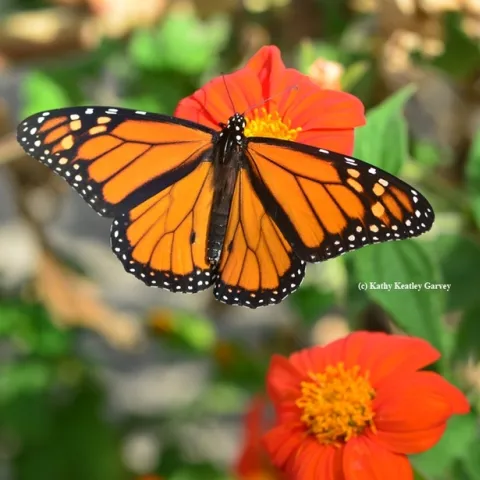
A male monarch nectaring Mexican sunflower (Tithonia). (Photo by Kathy Keatley Garvey)
Bug Squad: Article

The Real Skinny on Migrating Monarchs, Milkweed

January 16, 2015
By Kathy Keatley Garvey
A recent article in Science magazine, headlined Plan to Save Monarch Butterflies Backfires, is getting a lot of attention. And UC Davis butterfly expert Art Shapiro, distinguished professor of evolution and ecology, is getting a lot of inquiries.
View Article
Primary Image
Ag students
Topics in Subtropics: Article

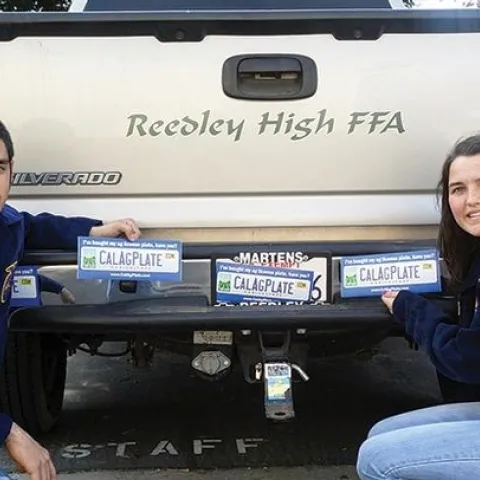
Car Plates Supporting Ag Education

January 16, 2015
By Ben A Faber
SACRAMENTO The California Department of Food and Agriculture (CDFA) has awarded $215,670 for five projects that will promote and administer agricultural education and leadership programs for students, teachers and youth under the 2014 California Special Interest License Plate (CalAgPlate) grant pro...
View Article
Primary Image
Clegg collection
Topics in Subtropics: Article

The Clegg Collection: A Valuable Resource

January 16, 2015
By Ben A Faber
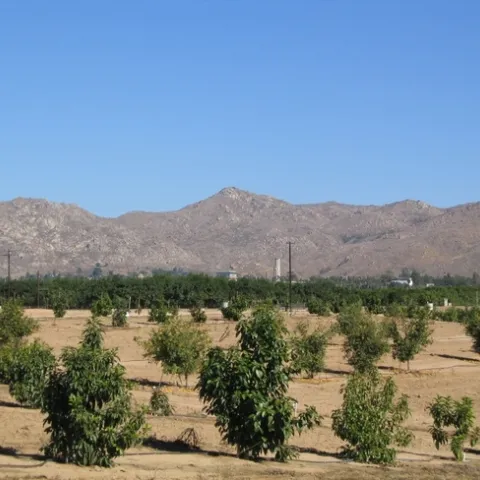
Department of Botany and Plant Sciences, University of California, Riverside An unusual population of avocado trees may soon suffer the same fate as many commercial orchards elsewhere in California: its water supply will be cut off and the trees fed to a wood chipper. And yet these trees (Fig.
View Article
Primary Image
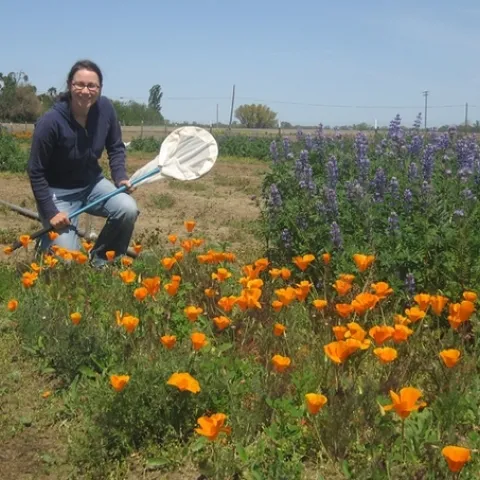
Katharina Ullmann, who just received her doctorate in entomology from UC Davis and is now a pollinator conservation specialist for the Xerces Society, is co-coordinator of the workshop. (Photo by Neal Williams)
Bug Squad: Article

All About Crop Pollination

January 15, 2015
By Kathy Keatley Garvey
What's stressing our honey bees and how are they impacted? You'll learn more about honey bees if you attend the Crop Pollination Workshop next month.
View Article
Primary Image
image 27231
IGIS: Article

Satellite images of Nigerian towns attacked by Boko Haram

January 15, 2015
By Maggi Kelly
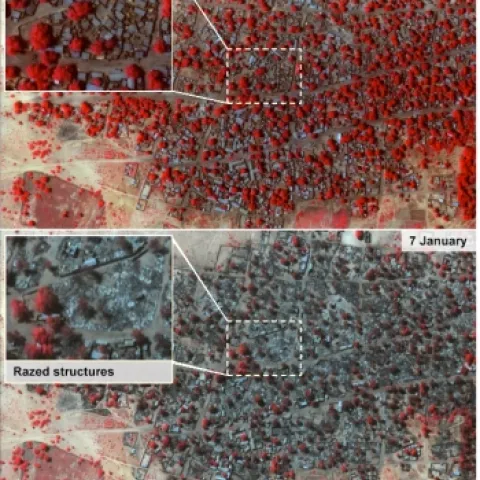
Amnesty's before and after satellite images were taken on 2 January and 7 January. Healthy vegetation is shown in red on the graphics.From the BBC: Satellite images of Nigerian towns attacked by Boko Haram show widespread destruction and suggest a high death toll, Amnesty International says.
View Article
UC Weed Science (weed control, management, ecology, and minutia): Article

Steaming ahead to work with weeds ChemFree

January 15, 2015
By Gale Perez
Here's something from The Weed's News Network. David Low / WeedsNews5282 / January 15, 2015 A sporting site in Melbourne is being used for a weed-tackling treatment that doesn't contain herbicides. A group of green thumbs have used steam to kill weeds, instead of applying chemicals.
View Article
Primary Image
small farm conference
Topics in Subtropics: Article

California Small Farm Conference

January 15, 2015
By Ben A Faber
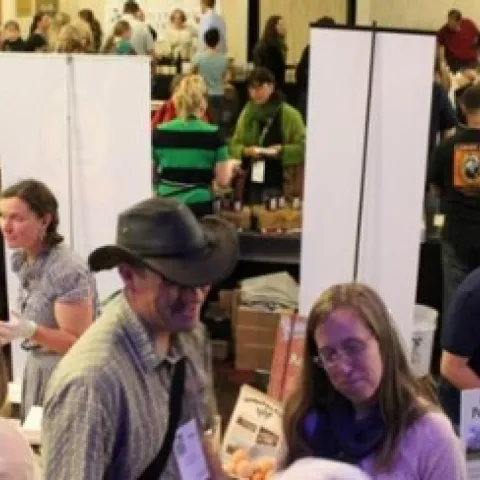
San Diego, March 7 - 10, 2015 Registration is now open for the California Small Farm Conference - the state's premier gathering for small-scale farmers and ranchers, farm employees, farmers' market managers, researchers, federal and state agriculture agencies, agriculture students, food policy advoc...
View Article
Primary Image
Today Art Shapiro looked for a cabbage white butterfly along Gates Canyon Road, Vacaville, but didn't find it. The photo is from one of his 2014 field trips up Gates Canyon Road. (Photo by Kathy Keatley Garvey)
Bug Squad: Article

Have You Seen Me?

January 14, 2015
By Kathy Keatley Garvey
Have you seen me? Me, being a cabbage white butterfly (Pieris rapae)? No? No one else has, either. Art Shapiro, distinguished professor of evolution and ecology at the University of California, Davis, is looking and waiting.
View Article
Primary Image
Robbin Thorp with two books he co-authored in 2014. (Photo by Kathy Keatley Garvey)
Bug Squad: Article

Congratulations, Robbin Thorp!

January 13, 2015
By Kathy Keatley Garvey
You may have heard that native pollinator specialist Robbin Thorp, emeritus professor of entomology at the University of California, Davis, will give a presentation on native bees at 1:30 p.m. on Saturday, Jan. 24 at Solano County's Rush Ranch Nature Center, Suisun City.
View Article
Primary Image
citrus frost
Topics in Subtropics: Article

Rehabilitation of Freeze Damaged Subtropical Fruit Trees

January 13, 2015
By Ben A Faber
For the first time since the great freeze of '89-90, we have experienced a little more than minor damage to our crops. Compared to the San Joaquin Valley, Ventura country escaped without major damage; although there were some areas harder hit like the Ojai Valley and some canyons near Santa Paula.
View Article