A Natural Solution for California's Herds: African Catfish Peptides

California's cattle producers and agricultural communities are all too familiar with the rising challenge of antibiotic resistance, making common bacterial infections harder to treat in livestock. But imagine a future where we could tackle these infections with a natural, powerful alternative. Our research points to just that: antimicrobial peptides (AMPs) found in African catfish.

We're really excited about these peptides because African catfish thrive in pathogen-rich freshwater, naturally producing these robust immune compounds in their skin mucus as a defense. This natural origin makes them highly appealing alternatives to synthetic drugs.

Predicted Safety and Potent Action

One of the most compelling aspects of these AMPs is their predicted safety for mammals. Our initial computer analyses suggest that various catfish AMPs are generally recognized as safe (GRAS). We predict they'll be absorbed in the human intestine without causing liver, brain, or heart toxicity. Furthermore, lab tests on a promising peptide, NACAP-II, confirmed it was non-hemolytic, meaning it didn't damage rabbit red blood cells—a strong indicator of its potential safety for mammalian cells.

Beyond safety, these peptides demonstrate effectiveness against problematic bacteria. One study revealed NACAP-II's strong activity against Extended-Spectrum Beta-Lactamase (ESBL)-producing Escherichia coli—a critical concern for both animal and human health due to its resistance to many common antibiotics. Another peptide, ACAP-IV, also showed antibacterial activity against E. coli and Staphylococcus aureus. We believe these AMPs work by directly disrupting bacterial cell membranes, a mechanism that makes it harder for bacteria to develop resistance compared to how they resist traditional antibiotics.
Event Primary Image
Hydroponics
UC Master Gardeners of Ventura County: Event

Introduction to Hydroponics: Growing More in Less Space/Camarillo

Event Date
Aug 2, 2025

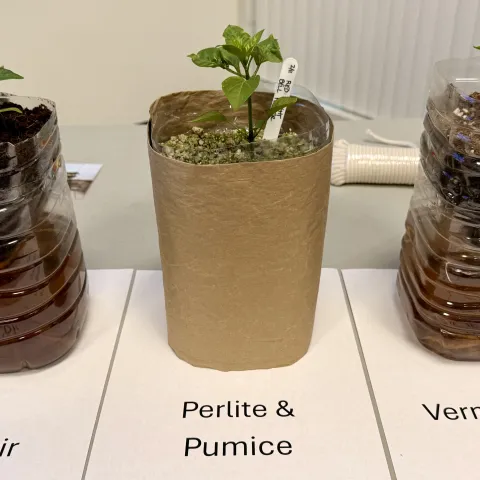
Introduction to Hydroponics: Growing More in Less Space Discover the basics of hydroponic gardening in this 90 minute class designed for beginners with limited growing space. Learn about both commercial and DIY hydroponic systems, which plants thrive in soil-free environments, and simple maintenance…
UC Master Gardeners of Ventura County
View Event
UC Master Gardeners of Sacramento County: Event

Master Gardeners at the State Fair

Event Date
Jul 11, 2025 - Jul 27, 2025

Drop by our booth at The Farm or inside Building B for Advice To Grow By... Ask Us!Where to find us?  We have two venues this year in response to the Fair’s new shorter weekday hours: Monday through Thursday - the booth will be in (air-conditioned!) Building B from 4:30 till 7:30 p.m.  We are…
UC Master Gardeners of Sacramento County
View Event
Primary Image
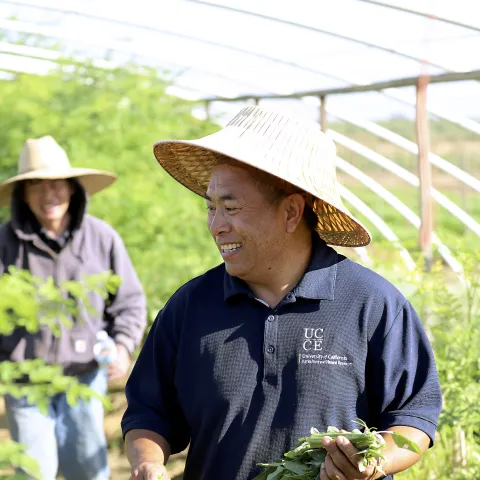
Michael Yang turns, smiling, at a guy behind him
ANR Employee News: Article

Help create a cultural atlas of California’s agriculture

June 29, 2025
By Pamela S Kan-Rice
To pay tribute to our agricultural ancestors, Jim Grieshop, emeritus UC Cooperative Extension specialist; Vikram Koundinya, associate CE specialist and associate professor of Cooperative Extension in the Department of Human Ecology at UC Davis; and Stella Dickson, international agricultural development…
View Article
Event Primary Image
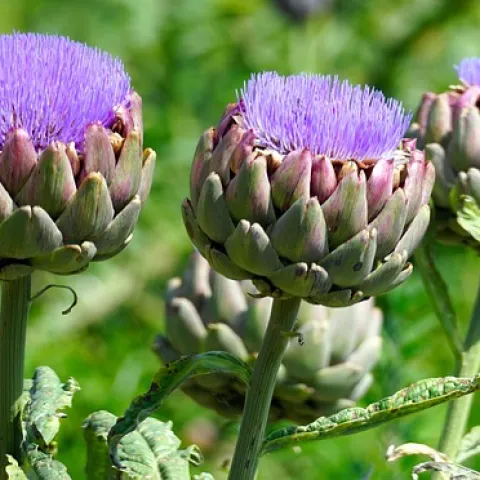
Artichokes/Pixabay
UC Master Gardeners of Ventura County: Event

Garden to Table Series – Edible Landscapes/Ventura City Residents only

Event Date
Oct 11, 2025

 Garden to Table Series – Edible LandscapesDiscover the joy of edible landscaping in Ventura County! Learn how to transform your yard into a beautiful and productive space that provides fresh food. In this session, we’ll discuss climate-appropriate edible plants which you can incorporate into your…
UC Master Gardeners of Ventura County
View Event
Event Primary Image
Small pink and translucent mite with eight legs, four stretched to the front and four stretched back, on a pale orange surface.
UC Ag Experts Talk Webinar Series: Event

Webinar: Citrus Leprosis Threat, Mites, and Mite Management

Event Date
Aug 27, 2025

Presenters: Dr. Sandipa Gautam, Cooperative Extension Area Citrus IPM Advisor, UC Agriculture and Natural Resources; Dr. Kris Godfrey, Project Scientist, Contained Research Facility, UC Davis; Dr. Daniel Carrillo, Assistant Professor, Entomology & Nematology Department, University of Florida; Tera Pitman…
UC Ag Experts Talk Webinar Series
View Event
Primary Image
Pic 1
UC Rice Blog: Article

Blanking potential in forecast

June 27, 2025
By Bruce A Linquist
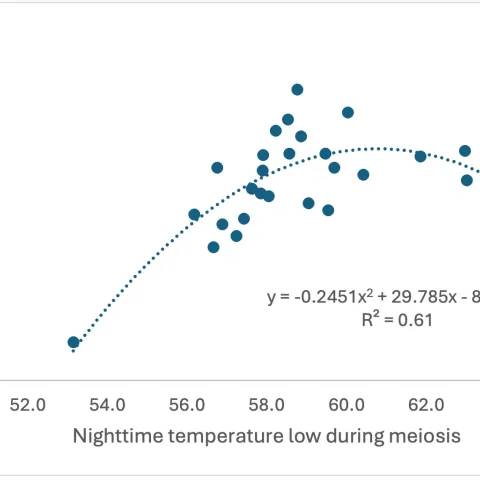
Blanking (floret sterility) can occur during meiosis (pollen formation) when nighttime temperatures drop below 58 oF. Blanking can cause reduced yields. The cooler it is and the more nights during this period with low temperatures have an increasingly negative effect.  You can see in Figure 1, where in…
View Article
Stanislaus County: Article

Evapotranspiration Report - 06/27/2025

June 27, 2025
By Sandi L Gudino
Please find the attached document to provide the previous week’s estimated water use report in terms of evapotranspiration for almonds, peaches, walnuts, established vineyard, alfalfa, and pasture in Stanislaus County. This report may be used as a guide in your irrigation schedule for the…
View Article
Primary Image
Gobabeb Desert Research and Training Center
Bug Squad: Article

UC Davis Doctoral Student Iris Quayle to Study Darkling Beetles in Africa

June 27, 2025
By Kathy Keatley Garvey
 UC Davis doctoral student Iris Quayle of the Department of Entomology and Nematology is heading to the Namib Desert of southwestern Africa in October to do research on darkling beetles.And she could not be more excited.Quayle, advised by Professor Jason Bond—he is the Evert and Marion Schlinger Endowed…
View Article
Primary Image
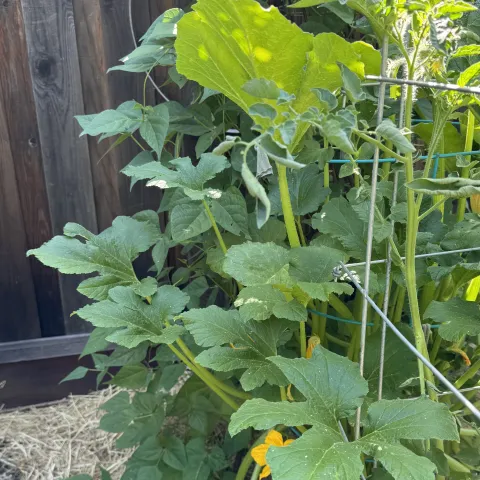
Photo of fully turgid squash leaves the next day at 9am with no additional water from the normal deep soaking.
The Savvy Sage: Article

July Garden Tips and Vegetable Planting Guide

June 27, 2025
By Deborah Cunningham
Article by Peg Smith - July is a month to sit back with iced tea or lemonade and enjoy the results of your spring labors. It is also a time to make sure that garden tasks are completed early before the heat of the day. A gardener’s body is their best tool. The sensible approach (I must confess to not…
View Article