A Natural Solution for California's Herds: African Catfish Peptides

California's cattle producers and agricultural communities are all too familiar with the rising challenge of antibiotic resistance, making common bacterial infections harder to treat in livestock. But imagine a future where we could tackle these infections with a natural, powerful alternative. Our research points to just that: antimicrobial peptides (AMPs) found in African catfish.

We're really excited about these peptides because African catfish thrive in pathogen-rich freshwater, naturally producing these robust immune compounds in their skin mucus as a defense. This natural origin makes them highly appealing alternatives to synthetic drugs.

Predicted Safety and Potent Action

One of the most compelling aspects of these AMPs is their predicted safety for mammals. Our initial computer analyses suggest that various catfish AMPs are generally recognized as safe (GRAS). We predict they'll be absorbed in the human intestine without causing liver, brain, or heart toxicity. Furthermore, lab tests on a promising peptide, NACAP-II, confirmed it was non-hemolytic, meaning it didn't damage rabbit red blood cells—a strong indicator of its potential safety for mammalian cells.

Beyond safety, these peptides demonstrate effectiveness against problematic bacteria. One study revealed NACAP-II's strong activity against Extended-Spectrum Beta-Lactamase (ESBL)-producing Escherichia coli—a critical concern for both animal and human health due to its resistance to many common antibiotics. Another peptide, ACAP-IV, also showed antibacterial activity against E. coli and Staphylococcus aureus. We believe these AMPs work by directly disrupting bacterial cell membranes, a mechanism that makes it harder for bacteria to develop resistance compared to how they resist traditional antibiotics.
Primary Image
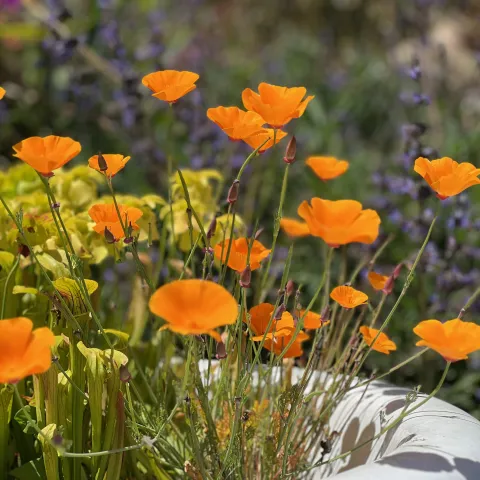
Meadow flowers
Fresno Gardening Green: Article

A new native plant garden inspires backyard nature conservation

June 27, 2025
By Jeannette Warnert
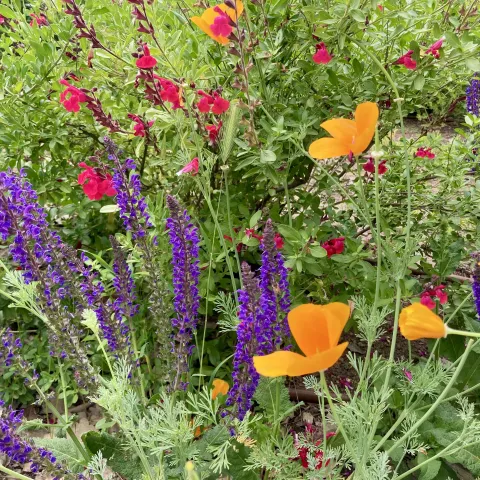
 Preserving natural ecosystems and the native food web isn’t only for large swaths of undeveloped land. A new movement encourages suburban and urban residents to create habitats for birds, insects and wildlife by growing native plants in their yards. By foregoing part of the lawn, removing a few non…
View Article
Primary Image
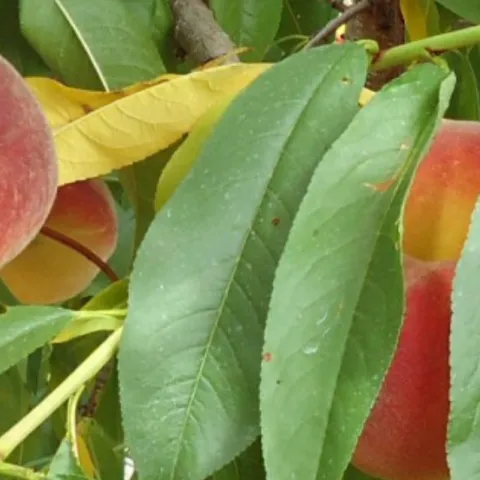
Peach on tree
Fresno Gardening Green: Article

This week in the garden: June 27 - July 3

June 27, 2025
By Jeannette Warnert
Native plants have the ability to survive in the worst of times and thrive during the good times. They require less care, less water and can make spectacular flower displays.TasksUse Bacillus thuringiensis (Bt) to control petunia bud worms and tomato horn worms.Watch for pests and treat if necessary.Be sure…
View Article
Primary Image
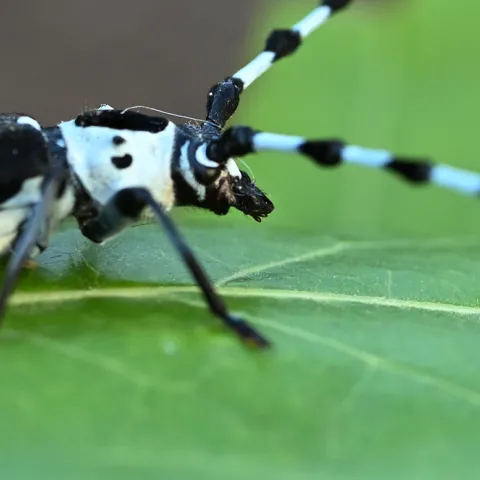
Banded alder borer on leaf. (Photo by Kathy Keatley Garvey)
Bug Squad: Article

What's That Bug?

June 26, 2025
By Kathy Keatley Garvey
 What's that bug?If you're painting your house, a mural, or your vehicle, you have a better chance of seeing it.Vacaville artist Joi McNeill, who is painting a mural on a building in the 300 block of Merchant Street, Vacaville, saw one today. She's working on a mural that includes the Old Town Hall, a…
View Article
The Stanislaus Sprout: Article

Fungus Gnats in Houseplants 

June 26, 2025
By Anne E Schellman
 Houseplants are amazing! They brighten up your home and bring nature indoors. But sometimes, a pest makes an appearance. Enter the pesky little fungus gnat. Fungus gnats (Orfelia and Bradysia species) can be quite a nuisance. These dark, tiny (1/16 to 1/8 inch long) almost delicate-looking flies…
View Article
Stanislaus County 4-H: Page

Emerald Star Application & Information

Emerald Star Application Process(Historic Record Book Project)Eligible Years: 2025–2026 and 2026–2027Eligible Ages: 13–18 years oldThis Emerald Star opportunity is designed for 4-H members completing the Historic Record Book Project. Applicants must demonstrate leadership, planning, and follow-through to…
View Page
Event Primary Image
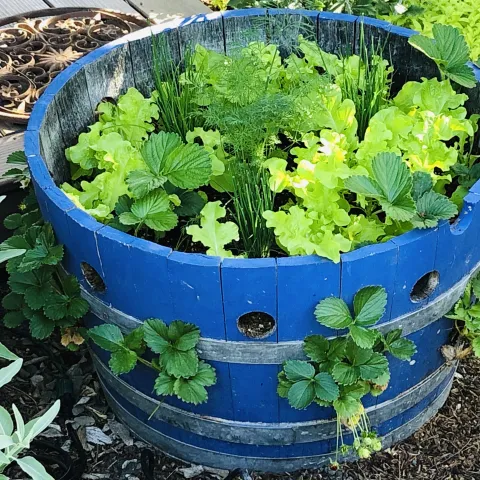
Container Garden Barrel
UC Master Gardeners • Napa County: Event

Container Gardening Workshop

Event Date
Jul 9, 2025

Want to grow your own food and reduce your waste? Join the UC Master Gardeners at Fuller Park for a hands-on workshop on how to grow fruits, veggies, and herbs in a container garden – perfect for small spaces! You’ll learn the fundamentals, including how to select the right container, soil, and plants. Plus,…
UC Master Gardeners • Napa County
View Event
Event Primary Image
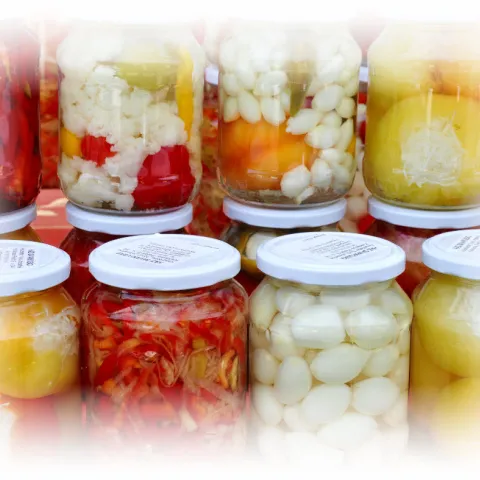
Pickling
UC Master Food Preserver Program of Orange County: Event

Cypress Library - Learn How to Pickle!

Event Date
Jun 30, 2025

This class is taught by the UC .Master Food Preservers of Orange County. Learn how to process your food safely and proper storage methods.The first 36 participants will receive a jar and sachet of pickling spices to take homeCYPRESS LIBRARY5331 Orange Ave ,Cypress, CA 90630714-826-0350
UC Master Food Preserver Program of Orange County
View Event
Event Primary Image
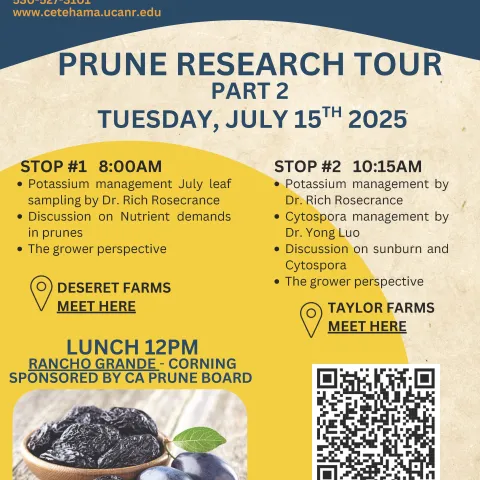
Prune Research Tour - Part 2
Cooperative Extension, Sutter-Yuba Counties: Event

Prune Research Tour - Part 2

Event Date
Jul 15, 2025

📣 Join Us for the Prune Research Tour – Part 2!🗓 Tuesday, July 15, 2025 | 🕗 Starts at 8:00 AM📍 Stop #1: Taylor Farms | 📍 Stop #2: Deseret Farms🍴 Lunch at 12 PM at Rancho Grande, CorningGet the latest insights on:🌿 Potassium management with Dr. Rich Rosecrance🌞 Sunburn & Cytospora with Dr. Yong Luo💬…
Cooperative Extension, Sutter-Yuba Counties
View Event
Event Primary Image
California poppies in a garden
UC Master Gardeners of Monterey & Santa Cruz Counties: Event

Native Plant Boot Camp

Event Date
Aug 2, 2025

Join the UC Master Gardeners for a free Native Plant Boot Camp!Learn to grow a thriving, water-wise garden with California native plants through workshops, expert demonstrations and hands-on activities that are perfect for beginners and experienced gardeners alike.Discover how to support local wildlife and…
UC Master Gardeners of Monterey & Santa Cruz Counties
View Event