A Natural Solution for California's Herds: African Catfish Peptides

California's cattle producers and agricultural communities are all too familiar with the rising challenge of antibiotic resistance, making common bacterial infections harder to treat in livestock. But imagine a future where we could tackle these infections with a natural, powerful alternative. Our research points to just that: antimicrobial peptides (AMPs) found in African catfish.

We're really excited about these peptides because African catfish thrive in pathogen-rich freshwater, naturally producing these robust immune compounds in their skin mucus as a defense. This natural origin makes them highly appealing alternatives to synthetic drugs.

Predicted Safety and Potent Action

One of the most compelling aspects of these AMPs is their predicted safety for mammals. Our initial computer analyses suggest that various catfish AMPs are generally recognized as safe (GRAS). We predict they'll be absorbed in the human intestine without causing liver, brain, or heart toxicity. Furthermore, lab tests on a promising peptide, NACAP-II, confirmed it was non-hemolytic, meaning it didn't damage rabbit red blood cells—a strong indicator of its potential safety for mammalian cells.

Beyond safety, these peptides demonstrate effectiveness against problematic bacteria. One study revealed NACAP-II's strong activity against Extended-Spectrum Beta-Lactamase (ESBL)-producing Escherichia coli—a critical concern for both animal and human health due to its resistance to many common antibiotics. Another peptide, ACAP-IV, also showed antibacterial activity against E. coli and Staphylococcus aureus. We believe these AMPs work by directly disrupting bacterial cell membranes, a mechanism that makes it harder for bacteria to develop resistance compared to how they resist traditional antibiotics.

Primary Image
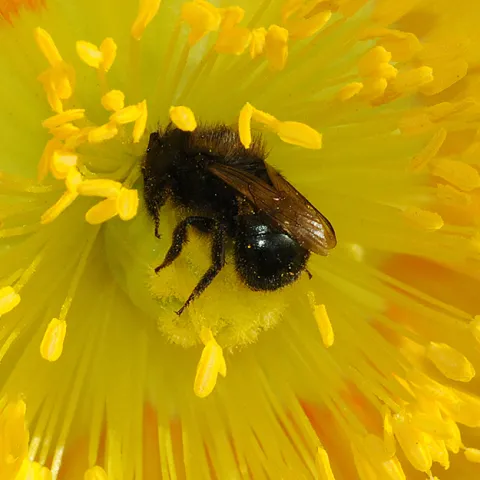
Blue orchard bee, Osmia lignaria. (Photo by Kathy Keatley Garvey)
Bug Squad: Article

Learning the Life Cycle of Bees

May 23, 2025
By Kathy Keatley Garvey
 “Just like butterflies, bees undergo metamorphosis. They hatch from eggs into worm-like larvae and eat pollen and nectar until they are large enough to pupate. As they pupate, their bodies are restructured and they emerge as the adult bees we’re familiar with.”So read a poster displayed by UC Davis…
View Article
Alameda County Cooperative Extension: Page

CalFresh Healthy Living, UC

CalFresh Healthy Living, the University of California Cooperative Extension (UCCE) teaches people eligible for SNAP about good nutrition, how to make their food dollars stretch further, and how to be physically active at any age.  Effective, evidenced-based nutrition education and physical activity…
View Page
Alameda County Cooperative Extension: Page

Community Nutrition, Health and Food Systems

The Community Nutrition, Health and Food Systems program delivers applied research and extension focused on improving nutrition security, health equity, and food systems in the East Bay. Serving the SF East Bay, the program collaborates with community partners to identify priority needs and implement…
View Page
Alameda County Cooperative Extension: Page

Urban Integrated Pest Management

The Urban Integrated Pest Management (IPM) program focuses on developing and delivering science-based strategies to manage pests in urban environments while minimizing risks to human health and the environment. Emphasizing prevention, monitoring, and the judicious use of control tactics, the program promotes…
View Page
Alameda County Cooperative Extension: Page

Human-Wildlife Interactions

The Human-Wildlife Interactions program focuses on reducing conflicts between people, pets, livestock, and local wildlife across the Bay Area. Through research, outreach, and one-on-one support, the program educates residents, small-scale producers, and land managers on strategies to prevent and respond to…
View Page
Alameda County Cooperative Extension: Page

Urban Forestry

The Urban Forestry program advances sustainable environmental management in the San Francisco Bay Area through applied research and extension focused on urban trees and water. The program supports landscape professionals, planners, local governments, and tree-focused organizations by providing technical…
View Page
Alameda County Cooperative Extension: Page

Organic Materials Management in Agri-Food Systems

The Organic Materials Management in Agri-Food Systems program is dedicated to advancing sustainable practices in the processing and use of organic materials in agri-food systems. By forming partnerships in applied research, solution implementation, and educational outreach, we promote measures to divert…
View Page
Event Primary Image
Cartoon Butterfly/Pixabay
UC Master Gardeners of Ventura County: Event

Birds, Butterflies & Bees: Hooray for Nature's Helpers!/Ventura/8-12 year olds

Event Date
Aug 9, 2025

Birds, Butterflies & Bees: Hooray for Nature's Helpers!Description: In this fun, hands-on class, young naturalists will discover the fascinating world of pollinators and garden visitors! Children will learn why birds, butterflies, and bees are important for our environment and how to create…
UC Master Gardeners of Ventura County
View Event
Primary Image
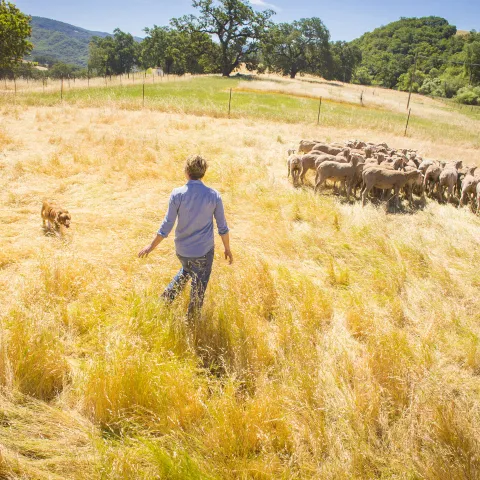
Shepherd Dog and Sheep
Landing Page

About UC ANR

  Take a virtual tourView our latest BrochureRead the 2024 UC ANR Annual ReportExplore our "UC Delivers" Impact storiesPrograms and InstitutesThe UC ANR Strategic Initiatives represent the breadth of work across the division. UC ANR academics and other UC faculty work together to solve complex…
View Landing Page