A Natural Solution for California's Herds: African Catfish Peptides

California's cattle producers and agricultural communities are all too familiar with the rising challenge of antibiotic resistance, making common bacterial infections harder to treat in livestock. But imagine a future where we could tackle these infections with a natural, powerful alternative. Our research points to just that: antimicrobial peptides (AMPs) found in African catfish.

We're really excited about these peptides because African catfish thrive in pathogen-rich freshwater, naturally producing these robust immune compounds in their skin mucus as a defense. This natural origin makes them highly appealing alternatives to synthetic drugs.

Predicted Safety and Potent Action

One of the most compelling aspects of these AMPs is their predicted safety for mammals. Our initial computer analyses suggest that various catfish AMPs are generally recognized as safe (GRAS). We predict they'll be absorbed in the human intestine without causing liver, brain, or heart toxicity. Furthermore, lab tests on a promising peptide, NACAP-II, confirmed it was non-hemolytic, meaning it didn't damage rabbit red blood cells—a strong indicator of its potential safety for mammalian cells.

Beyond safety, these peptides demonstrate effectiveness against problematic bacteria. One study revealed NACAP-II's strong activity against Extended-Spectrum Beta-Lactamase (ESBL)-producing Escherichia coli—a critical concern for both animal and human health due to its resistance to many common antibiotics. Another peptide, ACAP-IV, also showed antibacterial activity against E. coli and Staphylococcus aureus. We believe these AMPs work by directly disrupting bacterial cell membranes, a mechanism that makes it harder for bacteria to develop resistance compared to how they resist traditional antibiotics.

Topics in Subtropics: Article

New - Avocado Research Reports

May 27, 2025
By Ben A Faber
The Hass Avocado Board (HAB) has created The Avocado Sustainability Center which has collected recent research papers from around the avocado world concerning such topics as tree water use, pesticide use, carbon capture and a range of other topics.  Check it out:https://sustainability.hassavocadoboard…
View Article
UCCE in Santa Barbara County: Event

Fruit Tree Summer Pruning

Event Date
Aug 2, 2025

Fruit Tree Summer PruningA research-based presentation by Santa Barbara County Master Gardeners covering why we prune in the summer. We will discuss pruning to control the size of plants and to promote fruit quality. Hands-on pruning practice will follow in the garden. Please bring gloves and pruners if you…
UCCE in Santa Barbara County
View Event
ANR Employee News: Article

UC ANR Giving Day 2025 donors give over $75,000

May 26, 2025
By Emily D Delk
On UC ANR Giving Day 2025, generous donors and sponsors gave $75,288 to UC Cooperative Extension and the statewide programs, institutes and research centers that make up UC ANR.
View Article
Primary Image
Monarch butterfly on an American flag. (Poto by Kathy Keatley Garvey)
Bug Squad: Article

Memorial Day: A Somber Day

May 26, 2025
By Kathy Keatley Garvey
 Memorial Day: A somber dayToday we honor and mourn our U.S. military who died while serving in our Armed Forces.It was first known as Decoration Day."The first national observance of Memorial Day occurred on May 30, 1868," Wikipedia tells us. "Then known as Decoration Day and observed on May…
View Article
Primary Image
Patio gardening
UC Marin Master Gardeners: Article

June 2025: Patio Gardening

May 26, 2025
By Melissa McLean
 This past month EDG volunteers created a small “patio” in the garden to demonstrate how edibles can be successfully grown in limited space. Too often gardeners are discouraged from growing edibles, believing that it takes a large back yard with room for long rows of plants. However, with the…
View Article
Primary Image
Foxtail weeds
HOrT COCO-UC Master Gardener Program of Contra Costa: Article

Weed Identification

May 26, 2025
By Help Desk Team
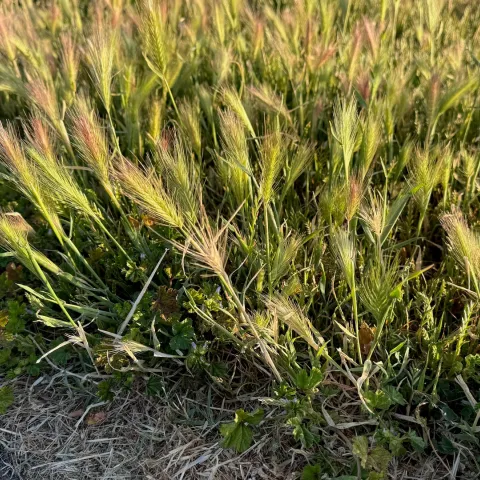
It’s been said that a weed is any plant that grows by itself in a place where people do not want it to grow. That probably covers a lot of plants in many of our yards. To be able to control weeds effectively, it helps to know what kind of weed it is. Fortunately, the University of California has good…
View Article
UC Master Gardeners of Placer County: Page

Garden Help

Below is a collection of resources just for the home gardener from the UC Master Gardeners of Placer County and other research-based resources. If you have a specific gardening question, we'll respond to your request when you fill out our Ask a Gardening Question form. Placer PestsGardening…
View Page
Vertebrate Pest Conference: Page

Submit Abstract

ABSTRACTS accepted until Dec 5th, 2025 The body of the abstract should be 300 words or less. Your presentation may describe work currently in progress.Submit Abstract HereIf you have questions about abstract submission, please contact Program Chairperson Laura Snell. Phone: (530) 233-6400E-mail:…
View Page
UC Master Gardeners of Ventura County: Event

Raíces & Sabores: Grow the Flavors of Mexico in Your Backyard/Ventura

Event Date
Jul 19, 2025

Raíces & Sabores: Grow the Flavors of Mexico in Your BackyardTransform your garden into a vibrant Mexican Cocina! Learn how to plant, grow, and harvest authentic Mexican cuisine staples using simple recycled materials. Take home seedlings, starter seeds and the knowledge to bring these flavors from soil…
UC Master Gardeners of Ventura County
View Event