A Natural Solution for California's Herds: African Catfish Peptides

California's cattle producers and agricultural communities are all too familiar with the rising challenge of antibiotic resistance, making common bacterial infections harder to treat in livestock. But imagine a future where we could tackle these infections with a natural, powerful alternative. Our research points to just that: antimicrobial peptides (AMPs) found in African catfish.

We're really excited about these peptides because African catfish thrive in pathogen-rich freshwater, naturally producing these robust immune compounds in their skin mucus as a defense. This natural origin makes them highly appealing alternatives to synthetic drugs.

Predicted Safety and Potent Action

One of the most compelling aspects of these AMPs is their predicted safety for mammals. Our initial computer analyses suggest that various catfish AMPs are generally recognized as safe (GRAS). We predict they'll be absorbed in the human intestine without causing liver, brain, or heart toxicity. Furthermore, lab tests on a promising peptide, NACAP-II, confirmed it was non-hemolytic, meaning it didn't damage rabbit red blood cells—a strong indicator of its potential safety for mammalian cells.

Beyond safety, these peptides demonstrate effectiveness against problematic bacteria. One study revealed NACAP-II's strong activity against Extended-Spectrum Beta-Lactamase (ESBL)-producing Escherichia coli—a critical concern for both animal and human health due to its resistance to many common antibiotics. Another peptide, ACAP-IV, also showed antibacterial activity against E. coli and Staphylococcus aureus. We believe these AMPs work by directly disrupting bacterial cell membranes, a mechanism that makes it harder for bacteria to develop resistance compared to how they resist traditional antibiotics.
UC Cooperative Extension Marin County: Page

Class Graduates

Attendee nameContact InformationClass of Melkyn Mazariegos415-532-9429melkynmazariegos@gmail.com2024Mizael Rodas510-334-2227mizaelrodas.2017@icloud.com2024Moises Vazquez707-540-2404moisesdolly@gmail.com2024Willian Soriano707-206-1805soriano707@icloud.com2024Andres Morales707-971…
View Page
Inyo and Mono Counties: Article

Annual 4-H Activities in Inyo and Mono Counties

May 19, 2025
By Dustin W Blakey
Every year, the Inyo and Mono counties 4-H Youth Development Program hosts several events for our 4-H members.Achievement Night Achievement Night is our annual recognition event for our 4-H members. It usually takes place in fall.4-H Members who are Record Keepers (complete a Record Book) that win seals…
View Article
Under the Solano Sun: Article

Bugs 'N' Bees

May 19, 2025
By Jennifer M Baumbach
Blog article by Michelle SchlegelThis was my first time growing Broccoli. It’s very easy and productive, and we regularly enjoyed it in our meals. Often, I had to hose off a few aphids here and there, and that worked for a while. But along came two 80-degree days. It bolted from those two warm days, and then…
View Article
Primary Image
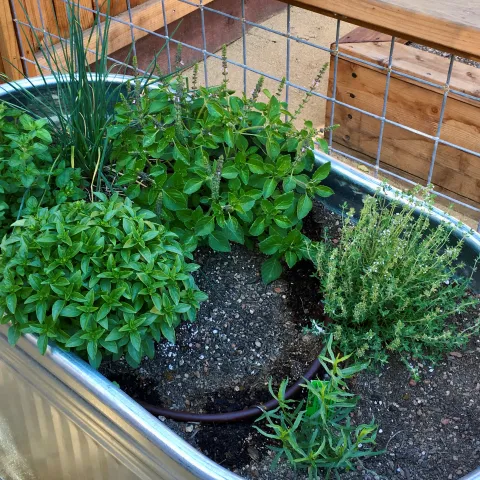
potted herbs
UC Marin Master Gardeners: Article

What do cattle water troughs and flourishing container gardens have in common?

May 19, 2025
By Bonnie A Nielsen
Is your yard filled with compacted clay soil and just the thought of attempting to grow vegetables and flowers seems daunting? Or perhaps you’re searching for a raised bed to avoid a lot of bending and stooping. Have you considered trough gardening? Galvanized livestock water troughs, also known as…
View Article
Event Primary Image
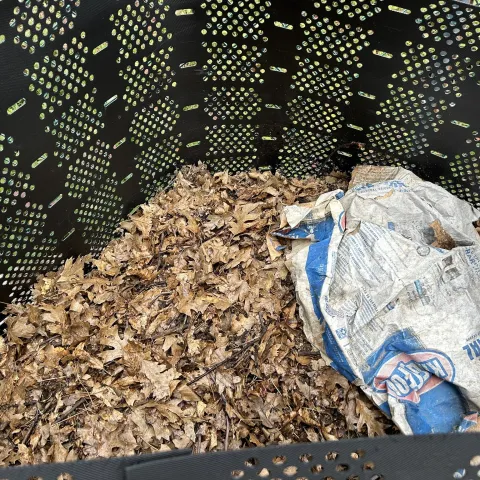
compost
UC Master Gardeners of Amador County: Event

Backyard Composting (Jackson)

Event Date
Jun 14, 2025

Amador County Master Gardeners will cover practical ways to begin composting at home. In this informative class we will demonstrate the “Dump and Run” or “Cold” composting method. This process requires minimum effort to start and maintain and is an easy way to turn your kitchen scraps into ‘Garden Gold’…
UC Master Gardeners of Amador County
View Event