A Natural Solution for California's Herds: African Catfish Peptides

California's cattle producers and agricultural communities are all too familiar with the rising challenge of antibiotic resistance, making common bacterial infections harder to treat in livestock. But imagine a future where we could tackle these infections with a natural, powerful alternative. Our research points to just that: antimicrobial peptides (AMPs) found in African catfish.

We're really excited about these peptides because African catfish thrive in pathogen-rich freshwater, naturally producing these robust immune compounds in their skin mucus as a defense. This natural origin makes them highly appealing alternatives to synthetic drugs.

Predicted Safety and Potent Action

One of the most compelling aspects of these AMPs is their predicted safety for mammals. Our initial computer analyses suggest that various catfish AMPs are generally recognized as safe (GRAS). We predict they'll be absorbed in the human intestine without causing liver, brain, or heart toxicity. Furthermore, lab tests on a promising peptide, NACAP-II, confirmed it was non-hemolytic, meaning it didn't damage rabbit red blood cells—a strong indicator of its potential safety for mammalian cells.

Beyond safety, these peptides demonstrate effectiveness against problematic bacteria. One study revealed NACAP-II's strong activity against Extended-Spectrum Beta-Lactamase (ESBL)-producing Escherichia coli—a critical concern for both animal and human health due to its resistance to many common antibiotics. Another peptide, ACAP-IV, also showed antibacterial activity against E. coli and Staphylococcus aureus. We believe these AMPs work by directly disrupting bacterial cell membranes, a mechanism that makes it harder for bacteria to develop resistance compared to how they resist traditional antibiotics.
Event Primary Image
Learn About Ag Banner
Cooperative Extension Ventura County: Event

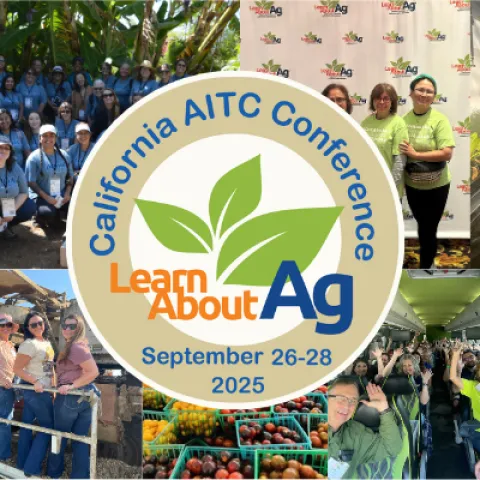
California Agriculture in the Classroom Conference

Event Date
Sep 26, 2025 - Sep 28, 2025

The conference is designed for PreK-12 grade educators, administrators, and volunteers to come together to learn and share how to incorporate food and fiber into all curricular areas.RegistrationEarly Bird (May 2 - August 11): $345Regular (August 12 - September 10): $385Last Day to register is September…
Cooperative Extension Ventura County
View Event
Kern County: Page

Weather

WeatherLinked data is from the California Irrigation Management Information System (CIMIS) weather stations. Visit CIMIS web site. 
View Page
Primary Image
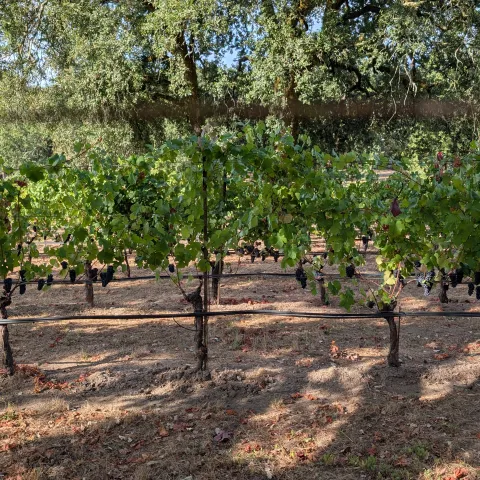
vineyard irrigation
UC Cooperative Extension Sonoma County: Page

Water & Soil Program

 The UC Cooperative Extension (UCCE) Water & Soil Program provides education, applied research, and technical assistance in agricultural water management to cultivated crop producers such as winegrape, orchard, and vegetable farmers in Sonoma, Napa, Marin, and Mendocino counties.  The program…
View Page
Under the Solano Sun: Article

Spring Hanging Baskets and Other Garden Blooms

May 14, 2025
By Jennifer M Baumbach
Blog by Cindy YeeSome years ago, upon visiting the garden of new line-dancing friends, I was struck by the beautiful hanging baskets dotting their fence. The flower baskets with different-colored geraniums really added oomph to the lovely yard. I have since hung baskets on our own fence and am very happy…
View Article
Primary Image
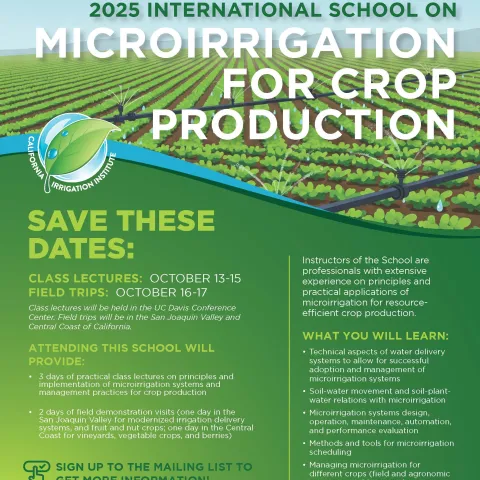
Microirrigation School
Topics in Subtropics: Article

Microirrigation School - 3 Days and Tours

May 14, 2025
By Daniele Zaccaria
Registration Now Open!The 2025 International Microirrigation School For Crop Production will be offered for the first time in California on October 13-17, 2025. It will involve three days of instruction at the University of California at Davis, and two days of field trips in the San Joaquin Valley and…
View Article
Primary Image
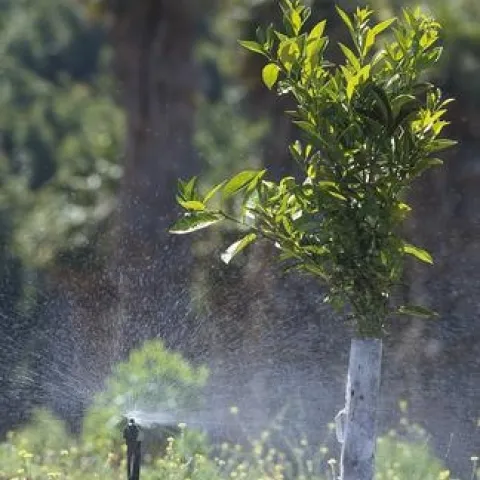
Irrigating Citrus
Topics in Subtropics: Article

Microirrigation School - 3 Days and Tours

May 14, 2025
By Daniele Zaccaria
INTERNATIONAL MICROIRRIGATION SCHOOL FOR CROP PRODUCTION The 2025 International Microirrigation School for Crop Production will be offered in California for the very first time, October 13–17, 2025. This one‑time, intensive program combines three days of classroom instruction at the University of…
View Article
UCCE in Santa Barbara County: Event

July Garden Talk - Fire Safe Landscape

Event Date
Jul 7, 2025

Fire Safe Landscape.Join UC Master Gardeners of Santa Barbara County online for a Garden Talk on Fire Safe Landscape.Topics Covered will be:Meaning of Fire SafeDefensible SpaceLandscaping for FireChoosing Plants 
UCCE in Santa Barbara County
View Event
The Stanislaus Sprout: Article

Lavender Tea Time

May 14, 2025
By Anne E Schellman
 The lavender plant has been used for centuries for many purposes. Lavender flowers can be found in bath salts, teas, baked goods, oils, and other products. This workshop is an exploration of the history of lavender, it's uses, and tips for how to grow it successfully in your garden.  In this…
View Article
Primary Image
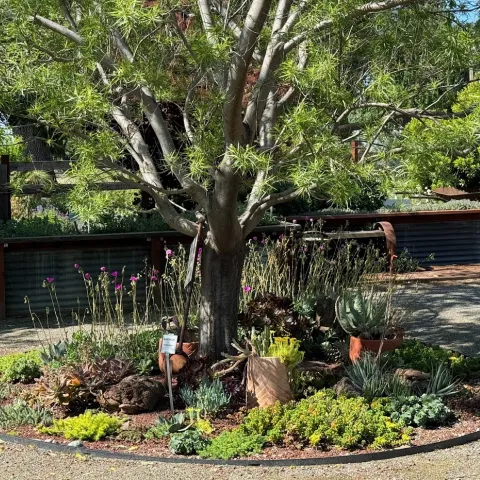
Desert willow provides some shade to the succulents beneath it in the Master Gardener Demonstration Garden in May. Laura Kling
The Real Dirt: Article

Succulents

May 13, 2025
Butte County has a Mediterranean climate where drought conditions occur naturally from May to October. A wide variety of succulent plants have become popular across the country in recent years, and our local gardeners are no exception. Not only are succulents drought tolerant, they grow almost anywhere. …
View Article
Primary Image
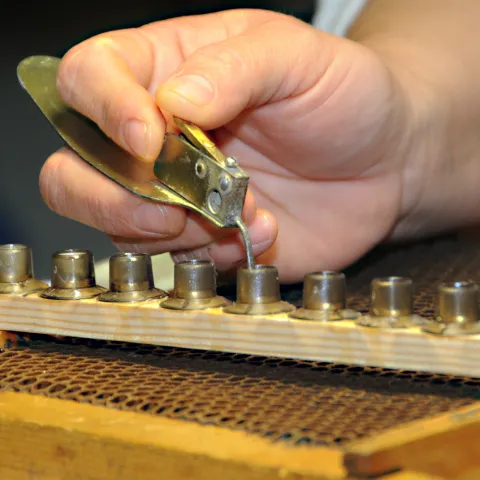
Demonstrating grafting. (Photo by Kathy Keatley Garvey)
Bug Squad: Article

CAMBP Hosting These Fantastic Bee Classes

May 13, 2025
By Kathy Keatley Garvey
 If you're a beekeeper, mark your calendar! You may want to attend one or both of these two classes offered by the UC Davis-based California Master Beekeeper Program (CAMBP)  on queen-rearing techniques and instrumental insemination. Both will be held in the E. L. Niño Lab…
View Article