A Natural Solution for California's Herds: African Catfish Peptides

California's cattle producers and agricultural communities are all too familiar with the rising challenge of antibiotic resistance, making common bacterial infections harder to treat in livestock. But imagine a future where we could tackle these infections with a natural, powerful alternative. Our research points to just that: antimicrobial peptides (AMPs) found in African catfish.

We're really excited about these peptides because African catfish thrive in pathogen-rich freshwater, naturally producing these robust immune compounds in their skin mucus as a defense. This natural origin makes them highly appealing alternatives to synthetic drugs.

Predicted Safety and Potent Action

One of the most compelling aspects of these AMPs is their predicted safety for mammals. Our initial computer analyses suggest that various catfish AMPs are generally recognized as safe (GRAS). We predict they'll be absorbed in the human intestine without causing liver, brain, or heart toxicity. Furthermore, lab tests on a promising peptide, NACAP-II, confirmed it was non-hemolytic, meaning it didn't damage rabbit red blood cells—a strong indicator of its potential safety for mammalian cells.

Beyond safety, these peptides demonstrate effectiveness against problematic bacteria. One study revealed NACAP-II's strong activity against Extended-Spectrum Beta-Lactamase (ESBL)-producing Escherichia coli—a critical concern for both animal and human health due to its resistance to many common antibiotics. Another peptide, ACAP-IV, also showed antibacterial activity against E. coli and Staphylococcus aureus. We believe these AMPs work by directly disrupting bacterial cell membranes, a mechanism that makes it harder for bacteria to develop resistance compared to how they resist traditional antibiotics.
Blog de Alimentos: Article

UC ANR publica el primer manual para el cultivo de olivas para elaborar aceite

May 15, 2025
By Michael Hsu
Agricultores e investigadores de Extensión Cooperativa de UC ofrecen una guía para producir aceitunas de alta calidad Ante la avalancha de productos europeos a precios más bajos, la industria del aceite de oliva de California está redoblando sus esfuerzos para mantener su clara ventaja competitiva: la…
View Article
Thrips/TSWV status in Yolo & Colusa: Article

2025 4th Report-- May 15th

May 15, 2025
By Patricia A Lazicki, Neil McRoberts
General outlook & thrips populationPlanting will be wrapping up over the next couple of weeks, though the heat wave coming up next week may cause delays. In general, it’s been good spring weather and earlier plantings are progressing well. The warm weather in the forecast has pushed up population…
View Article
Primary Image
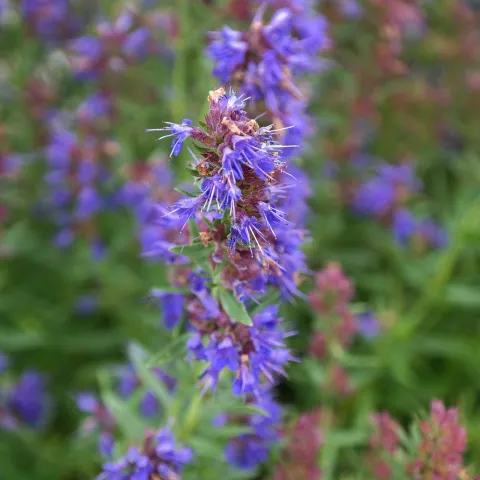
Hyssop
Fresno Gardening Green: Article

May plant of the month: Hyssop

May 15, 2025
By Jeannette Warnert
 Hyssop (Hyssopsus officinalis) is an Old World herb with a long history of medicinal and culinary use. Native to Southern Europe, the Middle East and Northern Africa, Hyssop is a perennial usually in the 18- to 24-inch range with small, glossy aromatic leaves and deep blue to violet flower spikes from…
View Article
Primary Image
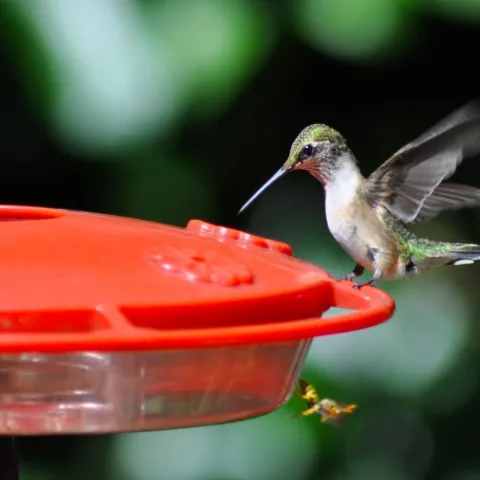
Hummer at feeder
Fresno Gardening Green: Article

This week in the garden: May 16 - 22

May 15, 2025
By Jeannette Warnert
“We can complain that roses have thorns or rejoice that thorn bushes have roses.” ~ Abraham LincolnTasksAvoid cutting lawns too severely because the resulting stress causes yellowing.Water citrus being careful not to overwater. Continuously wet soil in the upper few inches risks root rot.Hand pick hoplia…
View Article
Event Primary Image
EBCS
Grown in Marin: Event

Farmer-to-Market Convening

Event Date
May 29, 2025

Farmer-to-Market Convening is an event aimed at connecting BIPOC/small scale farmers with values-aligned market representatives. This gathering will provide a platform to build meaningful relationships and strengthen our local food systems.What to Expect:Networking Opportunities: Meet and exchange…
Grown in Marin
View Event
IWP Training: Article

Google Analytics

May 15, 2025
By Stephen Dampier
Google Analytics is implemented across all UC ANR websites. There is a single Google Analytics 4 (GA4) account that tracks activity on all ANR sites under the UCANR.edu domain.In the past, individual ANR sites could use their own Universal Analytics (UA) or GA4 tracking IDs. However, with the shift to GA4…
View Article