A Natural Solution for California's Herds: African Catfish Peptides

California's cattle producers and agricultural communities are all too familiar with the rising challenge of antibiotic resistance, making common bacterial infections harder to treat in livestock. But imagine a future where we could tackle these infections with a natural, powerful alternative. Our research points to just that: antimicrobial peptides (AMPs) found in African catfish.

We're really excited about these peptides because African catfish thrive in pathogen-rich freshwater, naturally producing these robust immune compounds in their skin mucus as a defense. This natural origin makes them highly appealing alternatives to synthetic drugs.

Predicted Safety and Potent Action

One of the most compelling aspects of these AMPs is their predicted safety for mammals. Our initial computer analyses suggest that various catfish AMPs are generally recognized as safe (GRAS). We predict they'll be absorbed in the human intestine without causing liver, brain, or heart toxicity. Furthermore, lab tests on a promising peptide, NACAP-II, confirmed it was non-hemolytic, meaning it didn't damage rabbit red blood cells—a strong indicator of its potential safety for mammalian cells.

Beyond safety, these peptides demonstrate effectiveness against problematic bacteria. One study revealed NACAP-II's strong activity against Extended-Spectrum Beta-Lactamase (ESBL)-producing Escherichia coli—a critical concern for both animal and human health due to its resistance to many common antibiotics. Another peptide, ACAP-IV, also showed antibacterial activity against E. coli and Staphylococcus aureus. We believe these AMPs work by directly disrupting bacterial cell membranes, a mechanism that makes it harder for bacteria to develop resistance compared to how they resist traditional antibiotics.

Primary Image
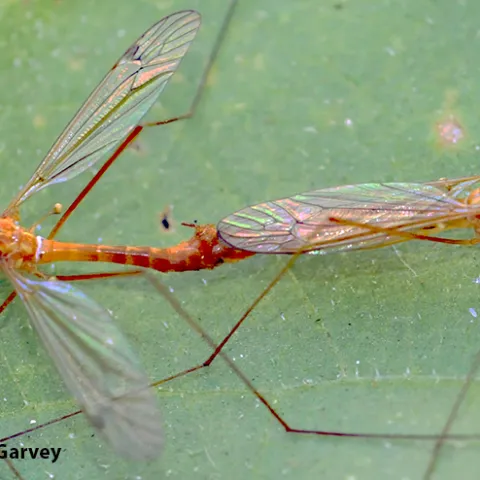
Crane flies mating. (Photo by Kathy Keatley Garvey)
Bug Squad: Article

From Metamorphosis to Maggot Art at the Bohart

May 15, 2025
By Kathy Keatley Garvey
 Visitors attending the Bohart Museum of Entomology open house themed  "Insects: Life Stages" on Sunday, May 18, will see everything from metamorphosis to maggot art. The event, free and family friendly, takes place from 1 to 4 p.m. in Room 1124 of the Academic Surge Building, 455 Crocker Lane…
View Article
Video

This is a Video

This is a video This is a video This is a video This is a video This is a video This is a video This is a video This is a video This is a video This is a video This is a video This is a video This is a video This is a video This is a video This is a video This is a video This is a video This is a video This…
View Video
Primary Image
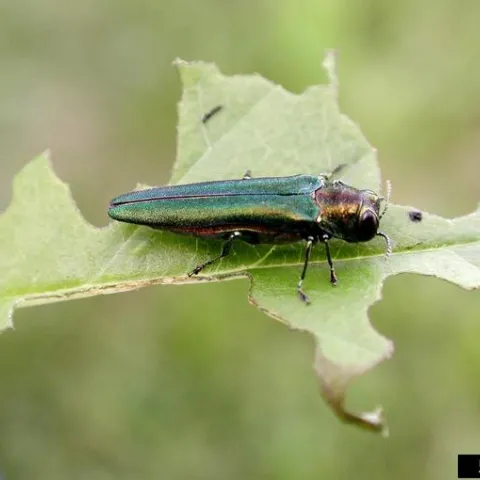
An adult emerald ash borer beetle on a leaf damaged by its feeding.
Pests in the Urban Landscape: Article

Emerald Ash Borer Awareness Week 2025

May 15, 2025
By Lindsey Hack
Tiny but destructive, the emerald ash borer (EAB) is an invasive beetle that has killed millions of ash trees across North America. In some cases, infested regions have lost nearly 100% of their ash trees to this pest. Though EAB has not yet been found in California, it was detected on the West Coast for the…
View Article
UCCE Siskiyou: Page

Marketing Resources

May 14, 2025 Digital Marketing for Direct-To Consumer Rancher Webinar 1 May 28, 2025 Digital Marketing for Direct-To Consumer Rancher Webinar 2      
View Page
Stanislaus County: Article

Evapotranspiration Report - 5/15/2025

May 15, 2025
By Sandi L Gudino
Please find the attached document to provide the previous week’s estimated water use report in terms of evapotranspiration for almonds, peaches, walnuts, established vineyard, alfalfa, and pasture in Stanislaus County. This report may be used as a guide in your irrigation schedule for the…
View Article
Blog de Alimentos: Article

UC ANR publica el primer manual para el cultivo de olivas para elaborar aceite

May 15, 2025
By Michael Hsu
Agricultores e investigadores de Extensión Cooperativa de UC ofrecen una guía para producir aceitunas de alta calidad Ante la avalancha de productos europeos a precios más bajos, la industria del aceite de oliva de California está redoblando sus esfuerzos para mantener su clara ventaja competitiva: la…
View Article
Thrips/TSWV status in Yolo & Colusa: Article

2025 4th Report-- May 15th

May 15, 2025
By Patricia A Lazicki, Neil McRoberts
General outlook & thrips populationPlanting will be wrapping up over the next couple of weeks, though the heat wave coming up next week may cause delays. In general, it’s been good spring weather and earlier plantings are progressing well. The warm weather in the forecast has pushed up population…
View Article