A Natural Solution for California's Herds: African Catfish Peptides

California's cattle producers and agricultural communities are all too familiar with the rising challenge of antibiotic resistance, making common bacterial infections harder to treat in livestock. But imagine a future where we could tackle these infections with a natural, powerful alternative. Our research points to just that: antimicrobial peptides (AMPs) found in African catfish.

We're really excited about these peptides because African catfish thrive in pathogen-rich freshwater, naturally producing these robust immune compounds in their skin mucus as a defense. This natural origin makes them highly appealing alternatives to synthetic drugs.

Predicted Safety and Potent Action

One of the most compelling aspects of these AMPs is their predicted safety for mammals. Our initial computer analyses suggest that various catfish AMPs are generally recognized as safe (GRAS). We predict they'll be absorbed in the human intestine without causing liver, brain, or heart toxicity. Furthermore, lab tests on a promising peptide, NACAP-II, confirmed it was non-hemolytic, meaning it didn't damage rabbit red blood cells—a strong indicator of its potential safety for mammalian cells.

Beyond safety, these peptides demonstrate effectiveness against problematic bacteria. One study revealed NACAP-II's strong activity against Extended-Spectrum Beta-Lactamase (ESBL)-producing Escherichia coli—a critical concern for both animal and human health due to its resistance to many common antibiotics. Another peptide, ACAP-IV, also showed antibacterial activity against E. coli and Staphylococcus aureus. We believe these AMPs work by directly disrupting bacterial cell membranes, a mechanism that makes it harder for bacteria to develop resistance compared to how they resist traditional antibiotics.
Primary Image
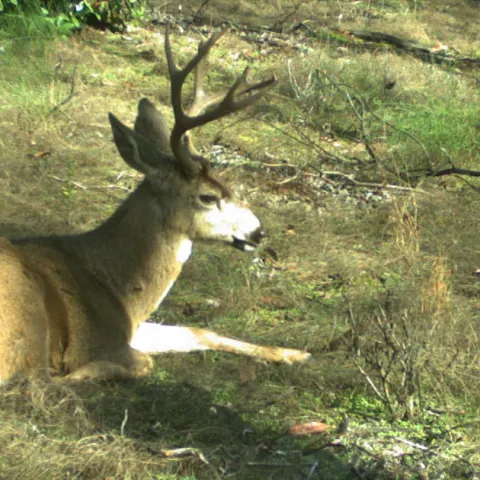
Colombian black-tailed deer
Hopland Research and Extension Center: Page

Colombian black-tailed deer hunt (A-Zone)

 Important DatesLottery applications for the HREC 2026 Deer Hunt will open: 9am PT, Tuesday, May 5.Closing date for lottery applications is: 11am PT, Friday, May 29.Applicants will be advised if they are offered a place/waitlisted by Friday, June 5.Successful applicants must provide all supporting…
View Page
Event Primary Image
Colombian black-tailed deer
Hopland Research and Extension Center: Event

A-Zone Colombian black-tailed deer hunt

Event Date
Aug 8, 2025

More information about the deer hunt can be found here.Lottery applications for the HREC 2025 Deer Hunt will open: 9am PT, Tuesday, May 6.Closing date for lottery applications is: 11am PT, Thursday, May 29.Applicants will be advised if they are offered a place/waitlisted by Thursday, June 5.Successful…
Hopland Research and Extension Center
View Event
Event Primary Image
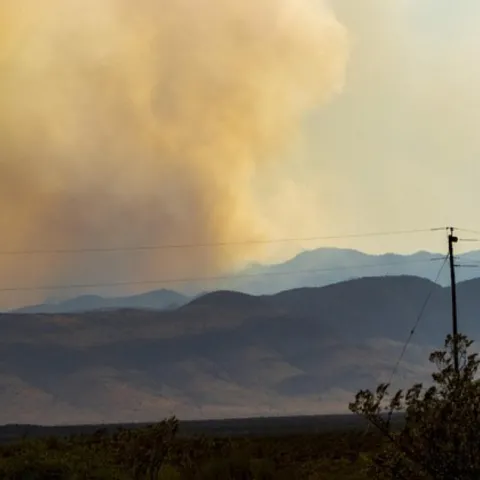
Hills with smoke in the distance
UC Master Gardeners of Orange County: Event

Fire Resilient Landscaping

Event Date
May 10, 2025

As the damp and drizzly days of May give way to warmer and drier weather, the threat of fire season looms on the horizon. It is vital to prepare our landscapes to be resilient against the destructive forces of wildfires. If you're eager to learn how to create a fire-resistant garden, mark your calendars for…
UC Master Gardeners of Orange County
View Event
The Stanislaus Sprout: Article

Hoplia Beetles – The Mini Munching Menace

May 5, 2025
By Anne E Schellman
 It’s spring and your flowers and roses have begun to bloom. You stop to admire their color and fragrance. But hold on! Something has been eating your flowers! On closer inspection, you see it. A hoplia beetle, a mini munching menace.Hoplia beetles are common in the California Central Valley. Small,…
View Article
Event Primary Image
networking
Grown in Marin: Event

Resource Fair for Producers

Event Date
May 27, 2025

Join the Agricultural Institute of Marin for an afternoon of learning, networking, and support for your food or farm business! Whether you're a farmer, food entrepreneur, or small business owner, this event is designed to connect you with valuable technical assistance and funding opportunities and help you…
Grown in Marin
View Event
Primary Image
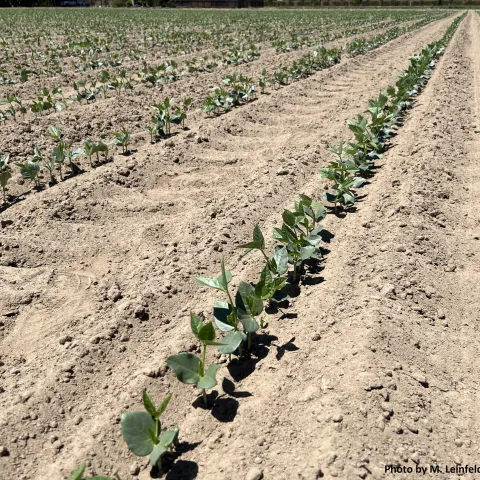
Blackeye bean variety trial in Stanislaus County.
UC Dry Bean Blog: Article

2024 Blackeye Bean Regional Variety Trial Results

May 5, 2025
By Michelle M Leinfelder-Miles
We evaluated blackeye bean varieties in a commercial field in Stanislaus County. Seven varieties from the University of California blackeye breeding program were planted on July 1st. The soil type at the trial location was well-drained (Dinuba and Hanford sandy loams, Tujunga loamy sand), and the soil…
View Article
Stanislaus County: Page

Moneim Mohamed - Irrigation and Soils Advisor

 Irrigation and Soils AdvisorStanislaus, San Joaquin, and Merced CountiesUniversity of California Cooperative Extension3800 Cornucopia Way, Suite AModesto, CA 95358(209) 525-6800amohamed@ucanr.eduDr. Abdelmoneim Mohamed (Moneim) is the Irrigation and Soils Advisor with the University…
View Page