A Natural Solution for California's Herds: African Catfish Peptides

California's cattle producers and agricultural communities are all too familiar with the rising challenge of antibiotic resistance, making common bacterial infections harder to treat in livestock. But imagine a future where we could tackle these infections with a natural, powerful alternative. Our research points to just that: antimicrobial peptides (AMPs) found in African catfish.

We're really excited about these peptides because African catfish thrive in pathogen-rich freshwater, naturally producing these robust immune compounds in their skin mucus as a defense. This natural origin makes them highly appealing alternatives to synthetic drugs.

Predicted Safety and Potent Action

One of the most compelling aspects of these AMPs is their predicted safety for mammals. Our initial computer analyses suggest that various catfish AMPs are generally recognized as safe (GRAS). We predict they'll be absorbed in the human intestine without causing liver, brain, or heart toxicity. Furthermore, lab tests on a promising peptide, NACAP-II, confirmed it was non-hemolytic, meaning it didn't damage rabbit red blood cells—a strong indicator of its potential safety for mammalian cells.

Beyond safety, these peptides demonstrate effectiveness against problematic bacteria. One study revealed NACAP-II's strong activity against Extended-Spectrum Beta-Lactamase (ESBL)-producing Escherichia coli—a critical concern for both animal and human health due to its resistance to many common antibiotics. Another peptide, ACAP-IV, also showed antibacterial activity against E. coli and Staphylococcus aureus. We believe these AMPs work by directly disrupting bacterial cell membranes, a mechanism that makes it harder for bacteria to develop resistance compared to how they resist traditional antibiotics.

Primary Image
yellow sky with blazing sun and thermometer in the foreground
Healthy Central Sierra: Article

Staying Healthy in the Heat

April 24, 2025
By Kitty Oppliger
Healthy in the Heat Summer is on the way and experts anticipate that we will continue to see rising temperatures and more extreme heat events. The National Oceanic and Atmospheric Administration (NOAA) reports that 2024 was the hottest year on record and that this year is likely to be even hotter. While…
View Article
Event Primary Image
Hot Veggies for the Hot Season
UC Master Gardeners of Orange County: Event

PODCAST: The Hot Veggies for the Hot Season

Event Date
Apr 21, 2025

Looking forward to the summer vegetable growing season? You should be! This week on In the Garden with UC Master Gardeners, MG Teena Spindler talks with fellow Master Gardener Kay Havens about what’s “Hot” this year for hot season summer vegetables! Grow what no one else is growing or stuff you’ll never…
UC Master Gardeners of Orange County
View Event
Primary Image
Dandelion week

Weeds: Pros and Cons

April 23, 2025
By Cathrin Callas
 The simplest definition of a weed is “a plant growing where it’s not wanted.” Most home gardeners prefer to not have weeds growing among their landscape plants and in their vegetable gardens. However, weeds do have many benefits. For instance, they can help to control soil erosion, provide food for…
View Article
Primary Image
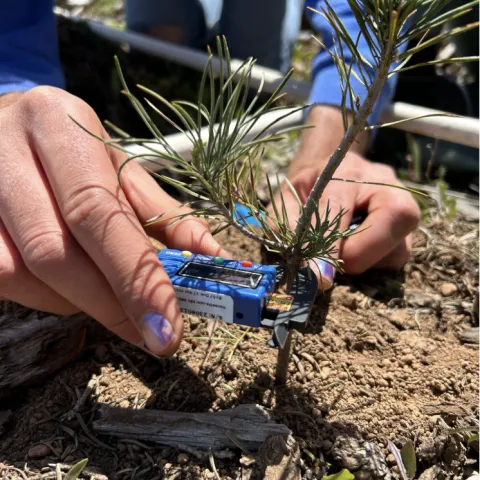
A small ponderosa pine is being measured.
Blog - Forest Research and Outreach : Article

Stewarding a beloved Plumas County campsite post-wildfire: a conversation with Sutter Rogers

April 23, 2025
By Grace N Dean
For Sutter Rogers, community and forest stewardship has been the family business since 1965. That’s when her grandparents bought 200-acres of Plumas County forestland, a site that would become Coppercreek Camp. “They built the cabins and the lodge on their own. It was their dream to have a children’s summer…
View Article