A Natural Solution for California's Herds: African Catfish Peptides

California's cattle producers and agricultural communities are all too familiar with the rising challenge of antibiotic resistance, making common bacterial infections harder to treat in livestock. But imagine a future where we could tackle these infections with a natural, powerful alternative. Our research points to just that: antimicrobial peptides (AMPs) found in African catfish.

We're really excited about these peptides because African catfish thrive in pathogen-rich freshwater, naturally producing these robust immune compounds in their skin mucus as a defense. This natural origin makes them highly appealing alternatives to synthetic drugs.

Predicted Safety and Potent Action

One of the most compelling aspects of these AMPs is their predicted safety for mammals. Our initial computer analyses suggest that various catfish AMPs are generally recognized as safe (GRAS). We predict they'll be absorbed in the human intestine without causing liver, brain, or heart toxicity. Furthermore, lab tests on a promising peptide, NACAP-II, confirmed it was non-hemolytic, meaning it didn't damage rabbit red blood cells—a strong indicator of its potential safety for mammalian cells.

Beyond safety, these peptides demonstrate effectiveness against problematic bacteria. One study revealed NACAP-II's strong activity against Extended-Spectrum Beta-Lactamase (ESBL)-producing Escherichia coli—a critical concern for both animal and human health due to its resistance to many common antibiotics. Another peptide, ACAP-IV, also showed antibacterial activity against E. coli and Staphylococcus aureus. We believe these AMPs work by directly disrupting bacterial cell membranes, a mechanism that makes it harder for bacteria to develop resistance compared to how they resist traditional antibiotics.

Primary Image
 Field bindweed, a noxious weed in California has distinctive leaves and white flowers. Jeanette Alosi
The Real Dirt: Article

What Makes a Weed a Weed?

April 21, 2025
For many of us, gardening involves a constant battle with weeds. Basically, a weed is nothing more than a plant growing where it is not wanted, the classic example being dandelions in the lawn. But as the old saying goes, “One man’s trash is another man’s treasure,” and there are many “weeds” that are, in…
View Article
IWP Training: Page

Social Sharing Option on Content

It is now configurable to display the ability to share content to socials on IWP.  Content types will have have an option "Display 'Share This' Socials on content?" when editing that will allow the display on the left side of content.To enable/disable, use the toggle 'Share This' Socials on content?'…
View Page
Primary Image
Grupo de participantes
Blog Verde: Article

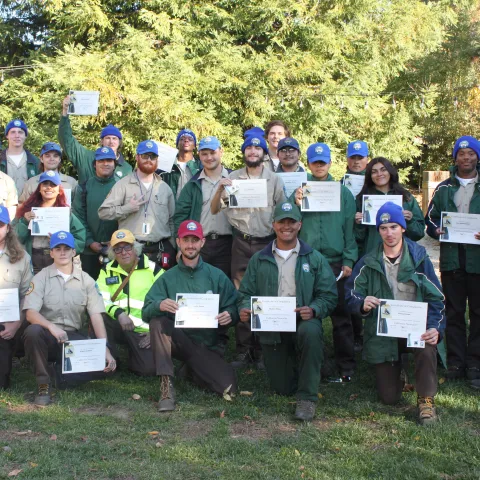
Young Naturalists celebrate Earth Day with lasting impact across California

April 21, 2025
By Ricardo A Vela
A team from UC Environmental Stewards has collaborated with partners from the California Conservation Corps, California 4-H Youth Development, and local community-based organizations to deliver 27 California Naturalist Certification courses connecting young adults ages 18 to 25 with California’s rich natural…
View Article
Primary Image
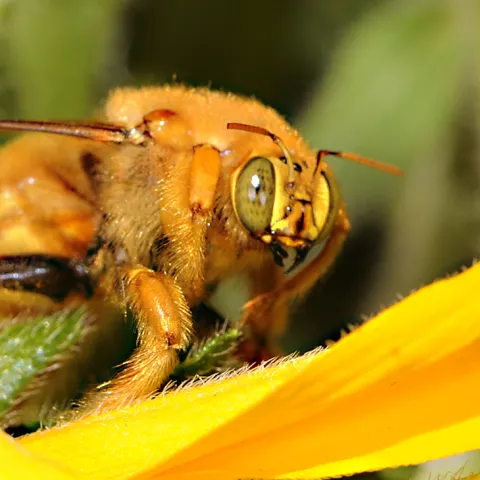
Male Valley carpenter bee. (Photo by Kathy Keatley Garvey)
Bug Squad: Article

The Teddy Bear Bee

April 21, 2025
By Kathy Keatley Garvey
 Bug Squad BlogBy Kathy Keatley GarveyI'm honored and humbled to have one of my images showcased at the annual Insect Salon hosted by the Pacific Branch, Entomological Society of America (PBESA) at its recent meeting in Salt Lake City. It won a second-place award. PBESA covers 11 Western states, plus…
View Article
Thrips/TSWV Kings: Article

2025 Second Report

April 21, 2025
By Neil McRoberts
General background We are a little slow getting off the mark with our updates this year.  Also, the UC ANR web platform was changed in the last couple of weeks and we're having some issues migrating the old website over to the new platform.  In the meantime there won't be visuals…
View Article
Comunidades Saludables: Article

Programa Maestro de Jardinero de UC enseña a latinos del condado de Orange a cultivar vegetales y en su propio idioma

April 21, 2025
By Saoimanu Sope
Catorce miembros de la comunidad latina de Orange, en su mayoría madres de familia disfrutan, desde hace unos meses, de los conocimientos que les compartieron dos voluntarias del programa Maestros de Jardineros de la Universidad de California, quienes plantaron en ellas y sus familias la idea de cultivar sus…
View Article