A Natural Solution for California's Herds: African Catfish Peptides

California's cattle producers and agricultural communities are all too familiar with the rising challenge of antibiotic resistance, making common bacterial infections harder to treat in livestock. But imagine a future where we could tackle these infections with a natural, powerful alternative. Our research points to just that: antimicrobial peptides (AMPs) found in African catfish.

We're really excited about these peptides because African catfish thrive in pathogen-rich freshwater, naturally producing these robust immune compounds in their skin mucus as a defense. This natural origin makes them highly appealing alternatives to synthetic drugs.

Predicted Safety and Potent Action

One of the most compelling aspects of these AMPs is their predicted safety for mammals. Our initial computer analyses suggest that various catfish AMPs are generally recognized as safe (GRAS). We predict they'll be absorbed in the human intestine without causing liver, brain, or heart toxicity. Furthermore, lab tests on a promising peptide, NACAP-II, confirmed it was non-hemolytic, meaning it didn't damage rabbit red blood cells—a strong indicator of its potential safety for mammalian cells.

Beyond safety, these peptides demonstrate effectiveness against problematic bacteria. One study revealed NACAP-II's strong activity against Extended-Spectrum Beta-Lactamase (ESBL)-producing Escherichia coli—a critical concern for both animal and human health due to its resistance to many common antibiotics. Another peptide, ACAP-IV, also showed antibacterial activity against E. coli and Staphylococcus aureus. We believe these AMPs work by directly disrupting bacterial cell membranes, a mechanism that makes it harder for bacteria to develop resistance compared to how they resist traditional antibiotics.

Primary Image
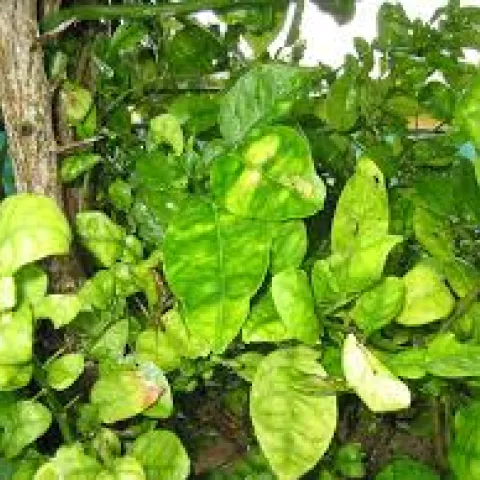
HLB Symptoms
Topics in Subtropics: Article

HLB Quarantine Area Expands

April 17, 2025
By Ben A Faber
The California Department of Food and Agriculture (CDFA) declared a citrus quarantine expansion in San Diego County’s Valley Center on March 26. The expansion occurred after detection of HLB disease in two citrus trees in residential neighborhoods in the Valley Center area during regular inspections.  …
View Article
Primary Image
Measuring Water

Avocado Irrigation Workshop

April 17, 2025
By Ben A Faber
On June 17, the University of California Cooperative Extension Agriculture and Natural Resources department is hosting a comprehensive Avocado Irrigation Workshop from 1:00 – 4:00 p.m. The seminar will take place at the San Diego Farm Bureau located at 420 South Broadway, Escondido, CA.The three-hour…
View Article
UC Master Gardeners of Sacramento County: Event

Ask the Master Gardeners - Walk on the Wildside

Event Date
May 17, 2025

  UC Master Gardeners of Sacramento County will be on hand to give one-on-one advice based on the most recent research-based sustainable practices along with decades of gardening experience.  Bring bagged samples of plants, snap a pic of a mystery pest with your phone or bring a bug in a jar…
UC Master Gardeners of Sacramento County
View Event
Western Sierra Forestry & Natural Resources: Page

Local Fire Resources

Prepare for evacuationConfirm you will receive evacuation notice:Sign-up for cell alerts thru both CodeRED and Nixle.Have a land line phone that does not need power:Many land line telephones, especially portable phones, require power to function and often fail in emergencies. Instead,…
View Page
Western Sierra Forestry & Natural Resources: Page

Fire Education

Living with Fire is a challenge in the Sierra Nevada. We live in a fire-adapted ecosystem where wildfires used to burn naturally every 8 to 35 years depending on elevation. Since we started suppressing wildfire over a hundred years ago, Sierra Nevada forests and woodlands have gotten overly dense with…
View Page
Western Sierra Forestry & Natural Resources: Page

Forestry Research and Extension

UC Cooperative Extension works with a wide range of collaborators to advance the field of Forestry and Natural Resources.  Core to these efforts are preparing future professionals for the management challenges they will face in the years to come.Forest GIS TrainingsUCCE periodically hosts Forestry…
View Page
UC Ag Experts Talk Webinar Series: Page

Past webinars - Strawberry pests

As webinars are completed, we post recordings on YouTube for future study and sharing with others. Continuing education units are not available for recorded webinars. Only participants of live webinars receive credits.Management of Lygus Bugs in Strawberry by Mark Bolda (June 5, 2024)Mark…
View Page
UC Ag Experts Talk Webinar Series: Page

Past webinars - Weed management

As webinars are completed, we post recordings on YouTube for future study and sharing with others. Continuing education units are not available for recorded webinars. Only participants of live webinars receive credits.Considerations for Cover Crops and Weed Management by Sarah E. Light (March…
View Page
Primary Image
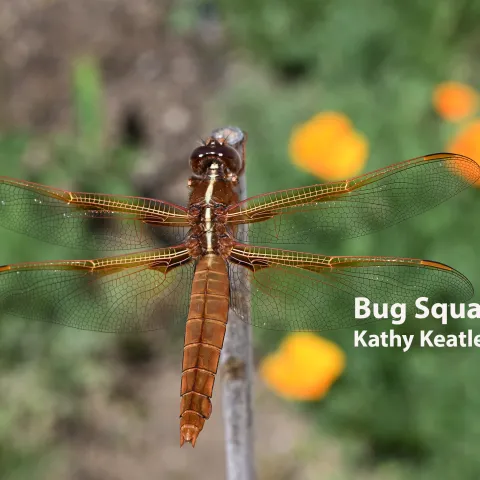
Flameskimmer dragonfly above bed of California golden poppies. (Photo by Kathy Keatley Garvey)
Bug Squad: Article

Flameskimmers Bring Great Joy

April 16, 2025
By Kathy Keatley Garvey
Bug Squad BlogBy Kathy Keatley GarveyFlameskimmers bring great joy.Today we saw our first dragonfly of the season in our Vacaville garden.  The flameskimmer, a female Libellula saturata, perched on a stick and allowed me to take a few images. It was just a couple of weeks ago that I reviewed a book…
View Article
Primary Image
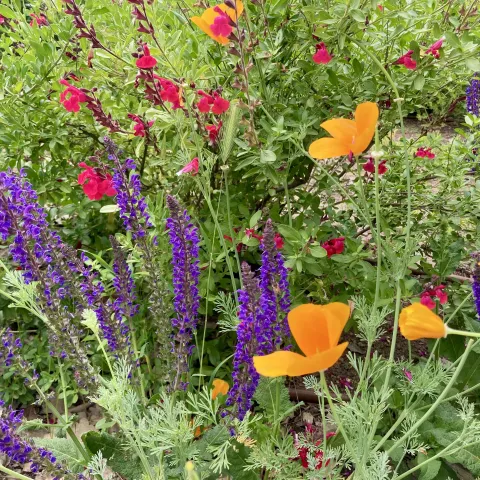
Meadow flowers

Madera high school students enjoy a new native plant habitat on campus

April 16, 2025
By Jeannette Warnert
 Before Katie Howden graduated from Madera South High School in 2008, she noticed an unsightly piece of vacant land between two portable classrooms on campus. The one-third acre gravel pit with a smattering of utility infrastructure was choked with puncturevine and tumbleweed or, during the rainy season…
View Article