A Natural Solution for California's Herds: African Catfish Peptides

California's cattle producers and agricultural communities are all too familiar with the rising challenge of antibiotic resistance, making common bacterial infections harder to treat in livestock. But imagine a future where we could tackle these infections with a natural, powerful alternative. Our research points to just that: antimicrobial peptides (AMPs) found in African catfish.

We're really excited about these peptides because African catfish thrive in pathogen-rich freshwater, naturally producing these robust immune compounds in their skin mucus as a defense. This natural origin makes them highly appealing alternatives to synthetic drugs.

Predicted Safety and Potent Action

One of the most compelling aspects of these AMPs is their predicted safety for mammals. Our initial computer analyses suggest that various catfish AMPs are generally recognized as safe (GRAS). We predict they'll be absorbed in the human intestine without causing liver, brain, or heart toxicity. Furthermore, lab tests on a promising peptide, NACAP-II, confirmed it was non-hemolytic, meaning it didn't damage rabbit red blood cells—a strong indicator of its potential safety for mammalian cells.

Beyond safety, these peptides demonstrate effectiveness against problematic bacteria. One study revealed NACAP-II's strong activity against Extended-Spectrum Beta-Lactamase (ESBL)-producing Escherichia coli—a critical concern for both animal and human health due to its resistance to many common antibiotics. Another peptide, ACAP-IV, also showed antibacterial activity against E. coli and Staphylococcus aureus. We believe these AMPs work by directly disrupting bacterial cell membranes, a mechanism that makes it harder for bacteria to develop resistance compared to how they resist traditional antibiotics.

Primary Image
Fields of CA Poppies

Wonderful Wildflower Walks

April 18, 2025
By Anne E Schellman
 Imagine the California Central Valley being carpeted from one end to the other with wildflowers in the spring. When the Scottish naturalist John Muir first came over the Sierra Nevada mountains in the spring during late 1800s, he wrote: “At my feet lay the Great Central Valley of California, level and…
View Article
Primary Image
Sam Walker
Eastern Sierra Community and Economy: Article

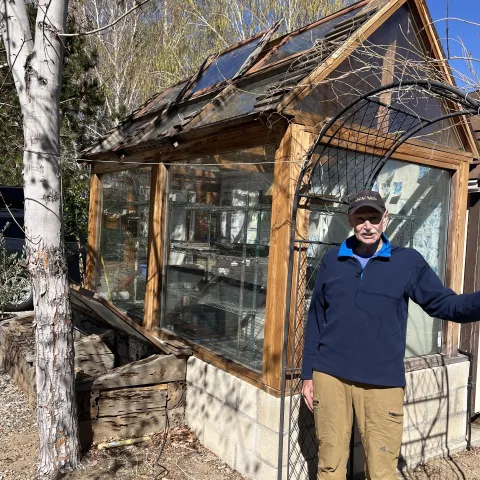
Interview Summary: Legendary Eastern Sierra Businessman Sam Walker

April 18, 2025
By Aaron Wilcher
Interview with Sam Walker – Summary QuotesBishop, California March 27, 2025By Aaron Wilcher, UCCE, Inyo-Mono office The full interview transcript is here.   🏢 On the Business Resource Center & Local Infrastructure“Too many businesses here don’t have the tools to succeed. It doesn…
View Article
Primary Image
Sam Walker
Eastern Sierra Community and Economy: Article

Interview: Legendary Eastern Sierra Businessman Sam Walker

April 18, 2025
By Aaron Wilcher
 Sam Walker has helped shape the Eastern Sierra’s business landscape for decades. Sam owned and operated the Whiskey Creek restaurants in Mammoth and Bishop and founded Mammoth Brewing. He sold the businesses in the 2010s. He spends his time mentoring emerging leaders at Blue Heron Farm and supporting…
View Article
Primary Image
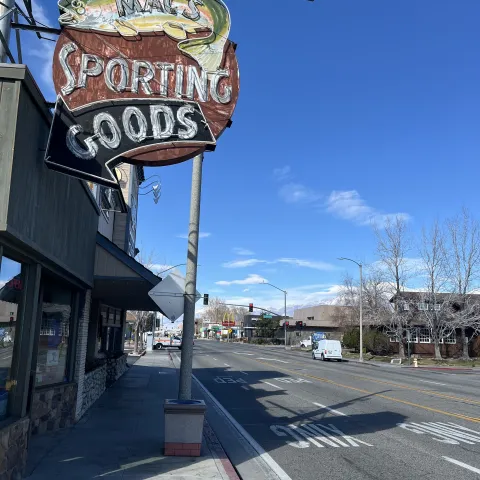
Mac's Sporting Goods, Bishop
Eastern Sierra Community and Economy: Article

Revitalizing Rural Main Streets: Lessons for the Eastern Sierra Part 3 of 3

April 18, 2025
By Aaron Wilcher
Part 3 of 3: From Ideas to Action: How Might We Start?  This blog explores critical issues relevant to the community and economy of the Eastern Sierra and beyond. In the coming months, I’ll continue sharing short articles that feature case studies, emerging trends, and conversations with experts in…
View Article
Primary Image
Picture 2
UC Rice Blog: Article

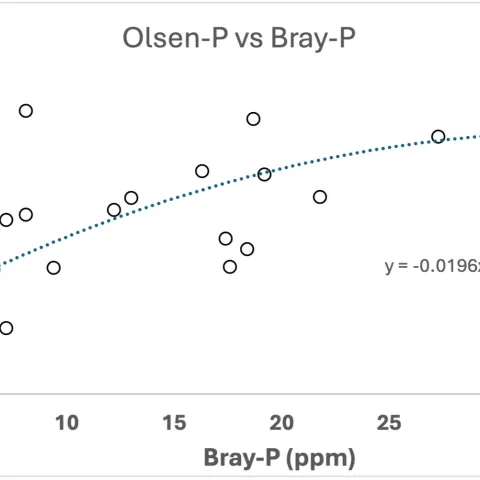
The best soil P test for rice: Olsen-P vs Bray-P

April 18, 2025
By Bruce A Linquist
This year, with high input costs and low rice prices, a lot of growers are testing their soil to determine if they need to apply P and K fertilizer.  I have received a number of calls this week asking about interpreting their soil P test for rice soils. I have recommended using the Olsen-P test (or a…
View Article
Primary Image
Connie

UC Master Gardener Spotlight: Get to know Connie Lundgren-Gardner

April 18, 2025
By Anne E Schellman
 We hope you enjoy our Spotlight series. Learn more about who we are and what we do by hearing directly from our program volunteers! This is the second in our Spotlight series. If you missed last month's, you can read it at https://ucanr.edu/blog/stanislaus-sprout/article/get-know-terry-pellegrini…
View Article
Primary Image
Sonoma county countryside
Climate Smart Agriculture: Article

Community Education Specialist Highlight Series: Amanda Charles

April 18, 2025
By Michael Jaquez
  Amanda Charles joined the Climate Smart Agriculture Team in 2022 serving Sonoma, Marin, and Mendocino counties. After completing a degree in Agricultural Business from California Polytechnic State University, San Luis Obispo, she returned home to Sonoma County to support the local farmers and…
View Article
Primary Image
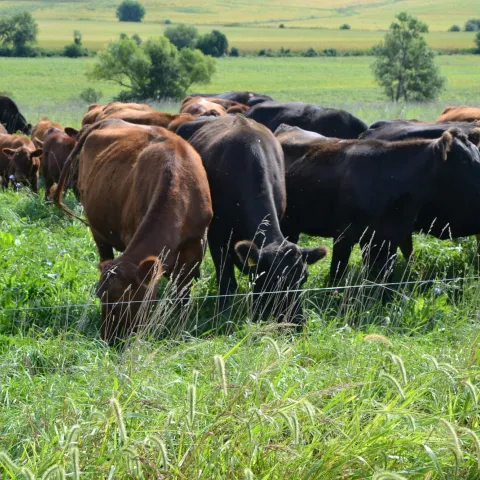
Cattle on a field with a single hot wire
Climate Smart Agriculture: Article

Why Grazing Management Matters

April 18, 2025
By Michael Jaquez
Producers that have pastureland or rangeland that also have grazing livestock (Cattle, sheep, goats…) should develop good grazing management practices. Stellar grazing management allows for a pasture to be grazed in a sustainable way that will prevent damage to the pasture and provide ample nutrition to the…
View Article
Primary Image
Los beneficios de los lardines de lluvia
Water Supply Security (WSS): Article

Jardines de Lluvia: Una Solución Sostenible para la Gestión de Aguas Pluviales

April 18, 2025
By Esther N Lofton, Erik C Porse
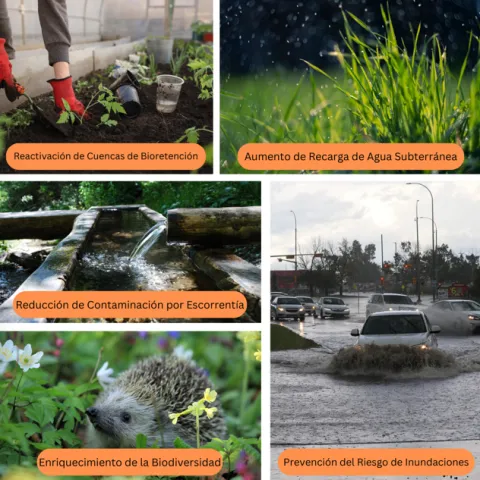
Los jardines de lluvia son depresiones del terreno transformadas, diseñadas para almacenar e infiltrar el escurrimiento pluvial proveniente de superficies impermeables cercanas dentro de entornos urbanos. Disponibles en una variedad de formas y tamaños, los jardines de lluvia representan una solución…
View Article