A Natural Solution for California's Herds: African Catfish Peptides

California's cattle producers and agricultural communities are all too familiar with the rising challenge of antibiotic resistance, making common bacterial infections harder to treat in livestock. But imagine a future where we could tackle these infections with a natural, powerful alternative. Our research points to just that: antimicrobial peptides (AMPs) found in African catfish.

We're really excited about these peptides because African catfish thrive in pathogen-rich freshwater, naturally producing these robust immune compounds in their skin mucus as a defense. This natural origin makes them highly appealing alternatives to synthetic drugs.

Predicted Safety and Potent Action

One of the most compelling aspects of these AMPs is their predicted safety for mammals. Our initial computer analyses suggest that various catfish AMPs are generally recognized as safe (GRAS). We predict they'll be absorbed in the human intestine without causing liver, brain, or heart toxicity. Furthermore, lab tests on a promising peptide, NACAP-II, confirmed it was non-hemolytic, meaning it didn't damage rabbit red blood cells—a strong indicator of its potential safety for mammalian cells.

Beyond safety, these peptides demonstrate effectiveness against problematic bacteria. One study revealed NACAP-II's strong activity against Extended-Spectrum Beta-Lactamase (ESBL)-producing Escherichia coli—a critical concern for both animal and human health due to its resistance to many common antibiotics. Another peptide, ACAP-IV, also showed antibacterial activity against E. coli and Staphylococcus aureus. We believe these AMPs work by directly disrupting bacterial cell membranes, a mechanism that makes it harder for bacteria to develop resistance compared to how they resist traditional antibiotics.
UC Master Gardener Program of Alameda County: Event

Talk: Integrated Pest Management (IPM) and Organic Gardening (Emeryville)

Event Date
May 24, 2025

Learn about adopting Integrated Pest Management (IPM) eco-friendly strategies to manage pests in your garden. Explore Integrated Pest Management techniques, emphasizing non-toxic solutions and minimizing pesticide use to promote a healthy garden ecosystem.
UC Master Gardener Program of Alameda County
View Event
UC Master Gardeners of San Mateo & San Francisco Counties: Article

Great Gardening Myths: Part 1

April 13, 2025
By Cathrin Callas
Garden myths are like weeds: they pop up all over and are hard to get rid of. In the world of information at our fingertips, there is a practice, remedy or belief guaranteeing a successful outcome for whatever it is you want to accomplish. Some are harmless but others are counterproductive and even…
View Article
Primary Image
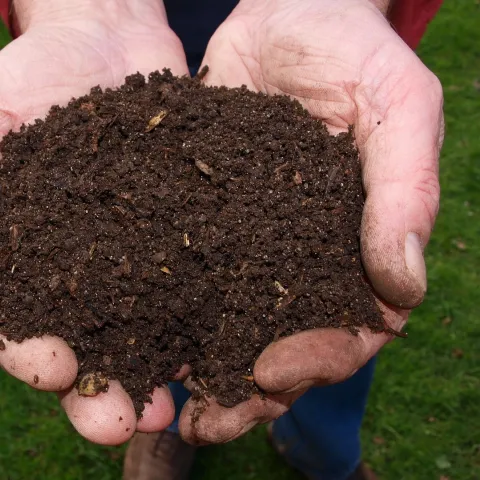
Soil in hands
HOrT COCO-UC Master Gardener Program of Contra Costa: Article

Prepping Soil for Raised Vegetable Beds

April 13, 2025
By Help Desk Team
  https://ucanr.edu/sites/default/files/styles/social_media_facebook/public/2023-08/387502.jpg.webp?itok=aIiJmULPWe often hear from Contra Costa gardeners this time of year who are eagerly anticipating their summer vegetable gardens. One of their most frequent questions is how to make sure their…
View Article
UCCE Master Gardeners of San Bernardino County: Event

Ask a Master Gardener & Master Food Preserver Time

Event Date
May 18, 2025

Join the UCCE San Bernardino County Master Gardeners and Master Food Preservers to ask your questions, get some great resources, and hear about what to do in the garden and resources on how to process your harvest each month!   11:30 to 12:15 am: May in the Garden: Tips for Garden Care …
UCCE Master Gardeners of San Bernardino County
View Event
UC Master Gardener Program of Riverside County: Document

Garden Views Newsletter

The Garden Views newsletter is published bi-monthly by the UC Master Gardeners of Riverside County. Articles highlight the activities of Master Gardener Volunteers throughout Riverside County, from the edge of Orange County to the Arizona state line. All reporters are UC Master Gardeners or Master…
View Document
UC Master Gardener Program of Riverside County: Document

Flyers & Publications

Other ResourcesMany two-page fact sheets designed for children are listed on the Fact Sheets page under School/Children's/Youth Gardens. These Fact Sheets provide information regarding growing plants, interesting or fun facts, nutrition information, and ways to use plants in healthy recipes, as seasonings,…
View Document
UC Master Gardener Program of Riverside County: Document

School Garden Lessons - Grades 9 - 12

Each file is a teacher-directed PowerPoint slide deck of lessons on topics organized under an overarching concept. The lessons integrate images with content to support student comprehension. Videos, stories, and/or songs are used to enhance student engagement and address a range of learning modalities…
View Document
UC Master Gardener Program of Riverside County: Document

School Garden Lessons - Grades 6 - 8

Each file is a teacher-directed PowerPoint slide deck of lessons on topics organized under an overarching concept. The lessons integrate images with content to support student comprehension. Videos, stories, and/or songs are used to enhance student engagement and address a range of learning modalities…
View Document
UC Master Gardener Program of Riverside County: Document

School Garden Lessons - Grades 3 - 5

Each file is a teacher-directed PowerPoint slide deck of lessons on topics organized under an overarching concept. The lessons integrate images with content to support student comprehension. Videos, stories, and/or songs are used to enhance student engagement and address a range of learning modalities…
View Document
UC Master Gardener Program of Riverside County: Document

School Garden Lessons - Grades TK to 2

Each file is a teacher-directed PowerPoint slide deck of lessons on topics organized under an overarching concept. The lessons integrate images with content to support student comprehension. Videos, stories, and/or songs are used to enhance student engagement and address a range of learning modalities…
View Document