A Natural Solution for California's Herds: African Catfish Peptides

California's cattle producers and agricultural communities are all too familiar with the rising challenge of antibiotic resistance, making common bacterial infections harder to treat in livestock. But imagine a future where we could tackle these infections with a natural, powerful alternative. Our research points to just that: antimicrobial peptides (AMPs) found in African catfish.

We're really excited about these peptides because African catfish thrive in pathogen-rich freshwater, naturally producing these robust immune compounds in their skin mucus as a defense. This natural origin makes them highly appealing alternatives to synthetic drugs.

Predicted Safety and Potent Action

One of the most compelling aspects of these AMPs is their predicted safety for mammals. Our initial computer analyses suggest that various catfish AMPs are generally recognized as safe (GRAS). We predict they'll be absorbed in the human intestine without causing liver, brain, or heart toxicity. Furthermore, lab tests on a promising peptide, NACAP-II, confirmed it was non-hemolytic, meaning it didn't damage rabbit red blood cells—a strong indicator of its potential safety for mammalian cells.

Beyond safety, these peptides demonstrate effectiveness against problematic bacteria. One study revealed NACAP-II's strong activity against Extended-Spectrum Beta-Lactamase (ESBL)-producing Escherichia coli—a critical concern for both animal and human health due to its resistance to many common antibiotics. Another peptide, ACAP-IV, also showed antibacterial activity against E. coli and Staphylococcus aureus. We believe these AMPs work by directly disrupting bacterial cell membranes, a mechanism that makes it harder for bacteria to develop resistance compared to how they resist traditional antibiotics.
Nutrition Policy Institute News: Article

Current state of processed and freshly prepared foods in school meals examined in new research brief

April 9, 2025
By Brianna Aguayo Villalon, Danielle Lee, Lorrene D Ritchie, Wendi Gosliner
School meals are an essential source of nutrition for many children in the U.S. Given the widespread use of processed foods in the American diet, the role of these foods in school meals has raised concerns. Although studies consistently find that school meals are a healthier source of nutrition for U.S…
View Article
Event Primary Image
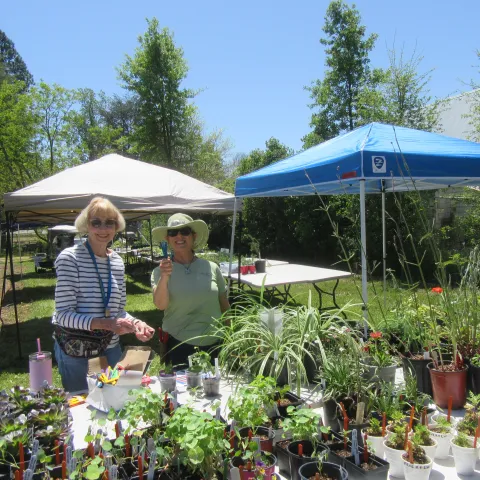
Plant Sale volunteers
UC Master Gardeners of Amador County: Event

Amador Plant Sale 2025

Event Date
May 3, 2025

Join us for the annual Amador Plant sale, benefiting UC Master Gardener Program in Amador County.Vegetables, Herbs, Perennial Plants, Succulents and much more!View the plant list HERE!
UC Master Gardeners of Amador County
View Event
Primary Image
Los 'Flower Fields' de Carlsbad, una oportunidad para observar las flores típicas de la región.
Nuestra Comunidad: Article

Estudiantes del programa laboral de UCCE Irvine viven experiencia educativa en los ‘Flower Fields’ de Carlsbad

April 9, 2025
By Diana Cervantes
Kimberly, estudiante del Programa de Transición Adulta (ATP) del Distrito Escolar de Santa Ana, disfrutó de un paseo en tractor por los famosos campos de flores de Carlsbad, una experiencia organizada gracias a la colaboración entre ATP y el Centro de Extensión Universitaria de la Costa Sur (UCCE Irvine) de…
View Article
UC Master Gardener Program of Riverside County: Event

WMWD Workshop - Pollinator Gardening

Event Date
Apr 12, 2025

 Pollinator GardeningExplore the beauty and importance of creating a habitat for our vital pollinators.This session will focus on native California plants that are not only drought-tolerant but also attract bees, butterflies, and other essential pollinators.Whether you're new to gardening or have a…
UC Master Gardener Program of Riverside County
View Event
Primary Image
HLB Deformed Fruit
Topics in Subtropics: Article

HLB Found in Arizona

April 9, 2025
By Ben A Faber
HLB was recently confirmed for the first time in Arizona, first in an Asian citrus psyllid (ACP) and then in another ACP and citrus plant tissue. The Arizona Department of Agriculture (AZDA) reported the details.On Dec. 16, 2024, agriculture inspectors collected ACP and plant tissue samples from a…
View Article
IWP Training: Page

Working with Tables

Instructions for inserting a table into content.  Please note that tables should not be used in order to format content.To add a table:To create a table, click the Table icon in the Text Editor. A dropdown will be displayed to allow you to select number of rows and columns. This can be changed…
View Page