A Natural Solution for California's Herds: African Catfish Peptides

California's cattle producers and agricultural communities are all too familiar with the rising challenge of antibiotic resistance, making common bacterial infections harder to treat in livestock. But imagine a future where we could tackle these infections with a natural, powerful alternative. Our research points to just that: antimicrobial peptides (AMPs) found in African catfish.

We're really excited about these peptides because African catfish thrive in pathogen-rich freshwater, naturally producing these robust immune compounds in their skin mucus as a defense. This natural origin makes them highly appealing alternatives to synthetic drugs.

Predicted Safety and Potent Action

One of the most compelling aspects of these AMPs is their predicted safety for mammals. Our initial computer analyses suggest that various catfish AMPs are generally recognized as safe (GRAS). We predict they'll be absorbed in the human intestine without causing liver, brain, or heart toxicity. Furthermore, lab tests on a promising peptide, NACAP-II, confirmed it was non-hemolytic, meaning it didn't damage rabbit red blood cells—a strong indicator of its potential safety for mammalian cells.

Beyond safety, these peptides demonstrate effectiveness against problematic bacteria. One study revealed NACAP-II's strong activity against Extended-Spectrum Beta-Lactamase (ESBL)-producing Escherichia coli—a critical concern for both animal and human health due to its resistance to many common antibiotics. Another peptide, ACAP-IV, also showed antibacterial activity against E. coli and Staphylococcus aureus. We believe these AMPs work by directly disrupting bacterial cell membranes, a mechanism that makes it harder for bacteria to develop resistance compared to how they resist traditional antibiotics.
4-H in Santa Barbara County : Page

Four Leaf Clover Foundation

The Four Leaf Clover Foundation (FLCF) is an IRC§ 501(c)(3) non-profit corporation created to enhance, encourage and support youth development through the 4-H Youth Development Program in Santa Barbara County.  The current directors are present or former 4-H leaders, parents or alumni. FLCF works…
View Page
4-H in Santa Barbara County : Page

4-H SNAC Clubs

4-H Student Nutrition Advisory Committees4-H SNAC (Student Nutrition Advisory Council) Clubs are student-led 4-H clubs that promote leadership skills that focus on healthy living, nutrition, physical activity, cooking, and public speaking.4-H SNAC Club is a way to integrate positive youth development and…
View Page
4-H in Santa Barbara County : Page

Youth Leadership Committee

Youth Leadership Committee Join the HI 4-H Committee!Are you ready to make a difference in your 4-H community? Be part of the HI 4-H Committee and help plan fun countywide social events that bring clubs together! Support key programs like Exhibit Day and Presentation Day, and be part of the team…
View Page
Event Primary Image
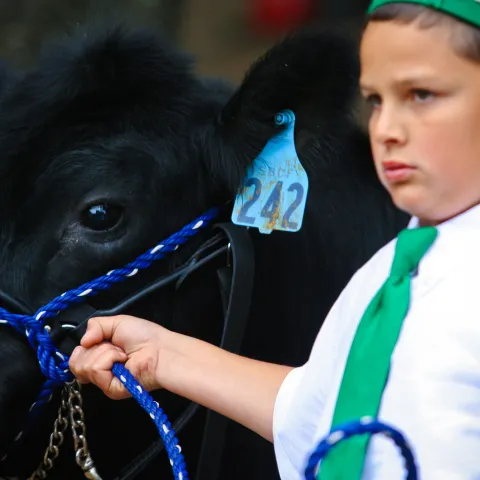
boy with steer
4-H in Santa Barbara County : Event

4-H County Exhibit Day

Event Date
May 9, 2026

  The Santa Barbara County 4-H Exhibit Day, is a highly anticipated annual event that brings together 4-H youth members from across the county to showcase their skills and come together. This year, we plan to have food vendors on-site for a convenient lunch. Our committee has also arranged for a…
4-H in Santa Barbara County
View Event
4-H in Santa Barbara County : Page

Enrollment

 Current 4-H MembersFor projects and events that are continuing past the June 30 4-H year end, current 4-H members and volunteers may continue their participation without re-enrolling.*4-H Members and Volunteers must renew their membership each year to continue to participate in the 4-H program.*New 4-H…
View Page
4-H in Santa Barbara County : Page

About 4-H

The University of California 4-H Youth Development Program promotes hands-on, experiential learning for all youth ages 5-19. Youth members and adult volunteers from all backgrounds and locations are welcome. 4-H is a community of young people across America who are learning citizenship, leadership,…
View Page
Primary Image
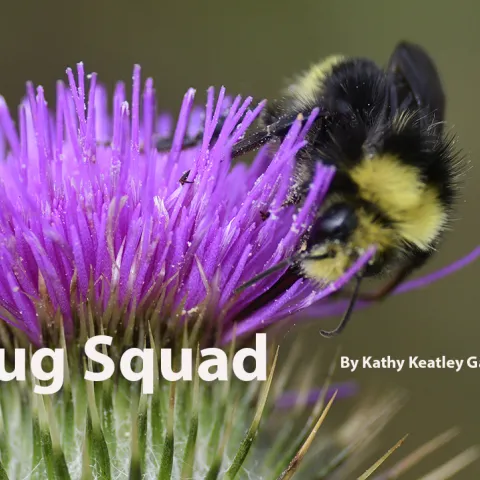
Bug Squad template. Bumble bee foraging on bull thistle. (Photo by Kathy Keatley Garvey)
Bug Squad: Article

Run, Roaches, Run!

April 7, 2025
By Kathy Keatley Garvey
 A picnic is not a picnic without bugs.Bugs may be "univited guests" at your picnic, but at the campuswide UC Davis Picnic Day, they're celebrities.Yes, celebrities.The UC Davis Department of Entomology and Nematology (ENT) again will host its fan-favorite roach races at at Briggs Hall on Saturday,…
View Article
UC Master Food Preservers of Inyo and Mono Counties: Document

Brine Math Made Easy!

This is a handout created for a Master Food Preserver workshop on lacto-fermentation. It describes the (mostly simple) math needed to calculate a desired concentration of salt brine for vegetable fermentation. It also includes some conversions from metric to US units.
View Document
Primary Image
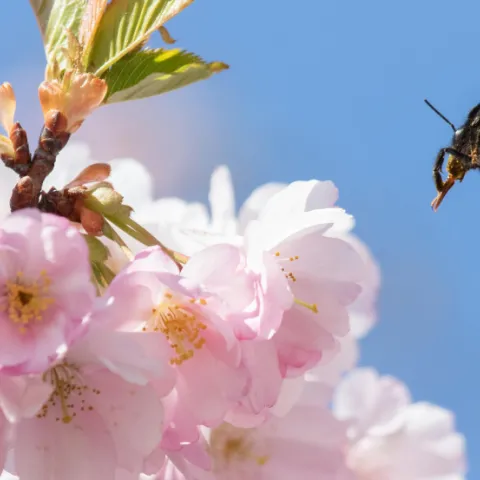
Bee flying towards tree blossoms
UC Master Gardener Program Statewide Blog: Article

Gardeners with Heart: Champions of Sustainable Landscaping

April 7, 2025
By Katherine Uhde
 Across California, UC Master Gardener volunteers are making local landscapes greener and healthier. These volunteers don't just plant flowers – they're building a better future for all of us! Let's meet some of these gardening champions and learn how they're changing their communities with sustainable…
View Article