A Natural Solution for California's Herds: African Catfish Peptides

California's cattle producers and agricultural communities are all too familiar with the rising challenge of antibiotic resistance, making common bacterial infections harder to treat in livestock. But imagine a future where we could tackle these infections with a natural, powerful alternative. Our research points to just that: antimicrobial peptides (AMPs) found in African catfish.

We're really excited about these peptides because African catfish thrive in pathogen-rich freshwater, naturally producing these robust immune compounds in their skin mucus as a defense. This natural origin makes them highly appealing alternatives to synthetic drugs.

Predicted Safety and Potent Action

One of the most compelling aspects of these AMPs is their predicted safety for mammals. Our initial computer analyses suggest that various catfish AMPs are generally recognized as safe (GRAS). We predict they'll be absorbed in the human intestine without causing liver, brain, or heart toxicity. Furthermore, lab tests on a promising peptide, NACAP-II, confirmed it was non-hemolytic, meaning it didn't damage rabbit red blood cells—a strong indicator of its potential safety for mammalian cells.

Beyond safety, these peptides demonstrate effectiveness against problematic bacteria. One study revealed NACAP-II's strong activity against Extended-Spectrum Beta-Lactamase (ESBL)-producing Escherichia coli—a critical concern for both animal and human health due to its resistance to many common antibiotics. Another peptide, ACAP-IV, also showed antibacterial activity against E. coli and Staphylococcus aureus. We believe these AMPs work by directly disrupting bacterial cell membranes, a mechanism that makes it harder for bacteria to develop resistance compared to how they resist traditional antibiotics.
Event Primary Image
chickens in grass
Grown in Marin: Event

Biosecurity 101 Flock Defender Virtual Information Session

Event Date
May 15, 2025

 The USDA Animal & Plant Health Inspection Service (APHIS) Veterinarian Services (VS) and the USDA Office of Partnerships & Public Engagement (OPPE) are partnering to host a Biosecurity 101 Flock Defender Information Session for small farmers and ranchers.     The information session will…
Grown in Marin
View Event
Primary Image
Some garden plants viewed from above
UC Master Gardeners of Inyo and Mono Counties: Article

Common Questions about Eastern Sierra Soils

April 8, 2025
By Dustin W Blakey
Some questions continually resurface on the Inyo-Mono Master Gardener helpline. Hopefully your question is answered here! Additional soil resources can be found on our website, but this is a good page to start with.FAQsQ: My plants are dying. What fertilizer is missing? A: It is exceedingly unusual to…
View Article
Cooperative Extension Ventura County: Page

4-H Latest News

Ventura County 4-H Youth Shine at Presentation DayVentura County 4-H youth recently took the stage to showcase their skills, confidence, and creativity at this year’s Presentation Day, as highlighted in a feature by Ventura Breeze. Presentation Day is a cornerstone of the 4-H experience, where young…
View Page
UC Master Gardeners • Napa County: Event

A Wonderland of Aloes - Library Talk - Zoom

Event Date
Jul 3, 2025

A Wonderland of Aloes Are you a succulent fan? In addition to the familiar aloe vera, there are over 600 species in the aloe genus. Join the UC Master Gardeners of Napa County as we discuss several varieties of aloe species that grow well in Napa's Mediterranean climate.Note that the meeting will lock and…
UC Master Gardeners • Napa County
View Event
Primary Image
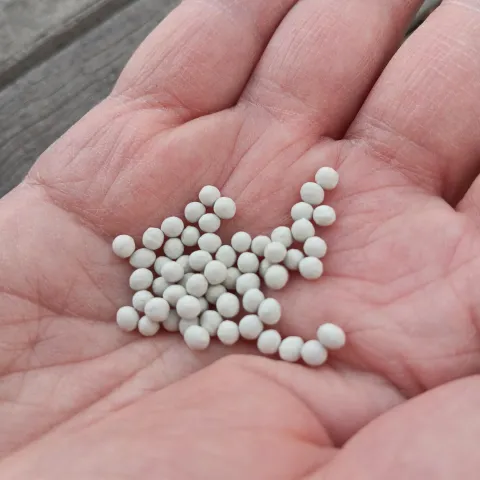
A hand holding a couple dozen pelleted seeds
The Backyard Gardener: Article

Sowing Pelleted Seeds

April 8, 2025
By Dustin W Blakey
by Alison Collin Inyo-Mono Master Gardener Volunteer One of the most tedious gardening jobs at this time of year must surely be thinning seedling crops such as carrots and beetroot. If you have ever done this you must have experienced the dilemma of having a cluster of beautiful young plants that…
View Article
4-H in Santa Barbara County : Document

Community Forms

Ready, Set, Submit! If you need help finding a resource or a document you can reach out to the 4-H Staff at your local UC Extension Office.Why 4-H Forms MatterIn 4-H, we believe in learning by doing—and doing it responsibly. From club enrollment to livestock projects and youth safety, our forms and…
View Document
4-H in Santa Barbara County : Page

Resources - Santa Barbara

Whether you’re brushing up on skills, diving into a new project, or planning the ultimate club meeting, we’ve got you covered. We want to provide you with as much 4-H—tools, tips, and resources to help you grow, lead, and make the most of your 4-H adventure.Let’s make this season one to remember—full of…
View Page
4-H in Santa Barbara County : Page

Support Santa Barbara 4-H

The 4-H Youth Development Program in Santa Barbara County is a volunteer-run program which provides educational programming to youth ages 5-19 in our county.All donations directly benefit the local 4-H program and provide opportunities for youth in the county to learn about healthy living, STEM,…
View Page
4-H in Santa Barbara County : Page

Contact & Location

Ella Mitchell (part-time).Ella is a 4-H alumni, and enjoys sharing her passion for 4-H with members and volunteers. Key Responsibilities: Volunteer coordination, support, supervision  County 4-H Program policy and complianceProgram growth and expansionContact: enmitchell@ucanr.edu …
View Page