California's cattle producers and agricultural communities are all too familiar with the rising challenge of antibiotic resistance, making common bacterial infections harder to treat in livestock. But imagine a future where we could tackle these infections with a natural, powerful alternative. Our research points to just that: antimicrobial peptides (AMPs) found in African catfish.
We're really excited about these peptides because African catfish thrive in pathogen-rich freshwater, naturally producing these robust immune compounds in their skin mucus as a defense. This natural origin makes them highly appealing alternatives to synthetic drugs.
Predicted Safety and Potent Action
One of the most compelling aspects of these AMPs is their predicted safety for mammals. Our initial computer analyses suggest that various catfish AMPs are generally recognized as safe (GRAS). We predict they'll be absorbed in the human intestine without causing liver, brain, or heart toxicity. Furthermore, lab tests on a promising peptide, NACAP-II, confirmed it was non-hemolytic, meaning it didn't damage rabbit red blood cells—a strong indicator of its potential safety for mammalian cells.
Beyond safety, these peptides demonstrate effectiveness against problematic bacteria. One study revealed NACAP-II's strong activity against Extended-Spectrum Beta-Lactamase (ESBL)-producing Escherichia coli—a critical concern for both animal and human health due to its resistance to many common antibiotics. Another peptide, ACAP-IV, also showed antibacterial activity against E. coli and Staphylococcus aureus. We believe these AMPs work by directly disrupting bacterial cell membranes, a mechanism that makes it harder for bacteria to develop resistance compared to how they resist traditional antibiotics.
Contaminantes de Preocupación Emergente (CECs), Medidas de Mitigación y Regulaciones en el Sur de California
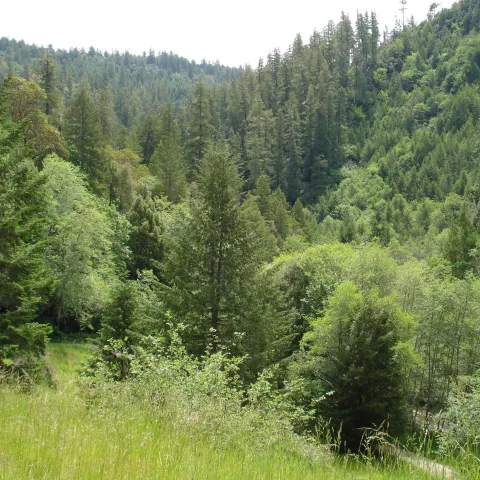
Step by step, Julianna Olate is creating a healthier and more resilient forest
Galls on our Apple Trees

During a routine winter pruning of 15-year-old apple trees, an unsettling discovery was made—large, brown, hard, swollen lumps clinging to the branches., Even the espaliered apple trees in the front yard were not spared. These growths appeared concerning, almost as if they were harming the trees, but removing them immediately seemed risky. Would scraping them off cause further damage?
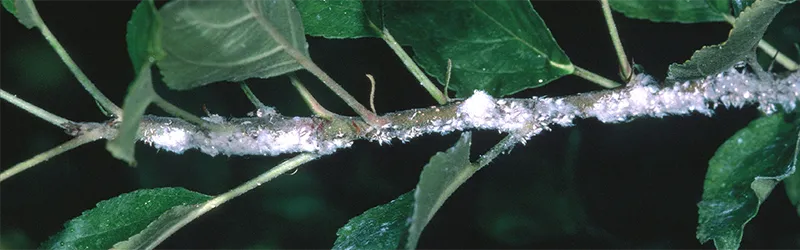
Consulting UC Integrated Pest Management (UC IPM) for expert guidance was the best course of action.. Lo and behold, a closer look revealed the culprit: the tiny woolly apple aphid (Eriosoma langligerum). At just 1/20 of an inch, these pests are easy to overlook, especially since they hide beneath a coating of white wax. Despite their size, they can cause harm by feeding on limbs, trunks, roots, and shoots, forming colonies in bark cracks and pruning wounds.
Woolly apple aphids rarely cause serious harm to the overall health of apple trees. However, their feeding leads to unsightly swollen, warty galls on the bark. While older trees are generally less affected by this invasion, these unsightly galls can still be a nuisance.

Unfortunately, the only real solution, is pruning the damaged branches. Since the damage is considered merely an "aesthetic issue," removal isn’t essential, but for those who prefer a cleaner look, cutting away the galls is the best option. The challenge arises when the damage appears on the main limbs, making removal more difficult. Some apple varieties are less susceptible to woolly apple aphids, offering an alternative for those looking to prevent future infestations. However, switching varieties means starting the espalier process from scratch—a daunting task for any gardener.
Moving forward, a more vigilant approach will be essential. Preventive measures like horticultural oil and insecticidal soap may curb further damage and keep these pests in check. Once the trees leaf out again in the coming months, these unsightly galls may no longer be visible, but their presence will still be felt. Staying proactive is the best defense against these hidden invaders, ensuring healthier trees for seasons to come.