A Natural Solution for California's Herds: African Catfish Peptides

California's cattle producers and agricultural communities are all too familiar with the rising challenge of antibiotic resistance, making common bacterial infections harder to treat in livestock. But imagine a future where we could tackle these infections with a natural, powerful alternative. Our research points to just that: antimicrobial peptides (AMPs) found in African catfish.

We're really excited about these peptides because African catfish thrive in pathogen-rich freshwater, naturally producing these robust immune compounds in their skin mucus as a defense. This natural origin makes them highly appealing alternatives to synthetic drugs.

Predicted Safety and Potent Action

One of the most compelling aspects of these AMPs is their predicted safety for mammals. Our initial computer analyses suggest that various catfish AMPs are generally recognized as safe (GRAS). We predict they'll be absorbed in the human intestine without causing liver, brain, or heart toxicity. Furthermore, lab tests on a promising peptide, NACAP-II, confirmed it was non-hemolytic, meaning it didn't damage rabbit red blood cells—a strong indicator of its potential safety for mammalian cells.

Beyond safety, these peptides demonstrate effectiveness against problematic bacteria. One study revealed NACAP-II's strong activity against Extended-Spectrum Beta-Lactamase (ESBL)-producing Escherichia coli—a critical concern for both animal and human health due to its resistance to many common antibiotics. Another peptide, ACAP-IV, also showed antibacterial activity against E. coli and Staphylococcus aureus. We believe these AMPs work by directly disrupting bacterial cell membranes, a mechanism that makes it harder for bacteria to develop resistance compared to how they resist traditional antibiotics.
UC Master Gardener Program of Contra Costa County: Article

Aphids in the Garden

March 26, 2025
By Susan Heckly and the Helpdesk Team
 Aphids can be a scourge in the garden. There are over 4,000 species of aphids in the world, but fortunately, only(!) about 250 species are attracted to the plants we grow in our gardens and landscapes.Aphids are small, slow-moving insects that come in a variety of colors—green, yellow, brown, red, or…
View Article
Event Primary Image
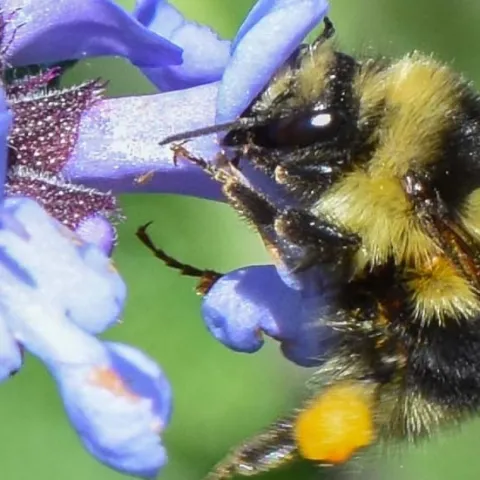
Bumble Bee enjoying a lupine flower
UC Master Gardeners of Orange County: Event

Bees, Butterflies and Other Pollinators

Event Date
Apr 12, 2025

Ready to learn about pollination?  Find out about the loving interplay between pollinators and flowers that keeps the ecosystem in balance (and food on our tables!)We will discuss bee nesting habits, hosts and nectar plants and causes for decline in the bee population-and other tips on attracting bees…
UC Master Gardeners of Orange County
View Event
NPI Assessment Questionnaires: Page

Annual Timeline

Conducting regular assessments is an important part of program planning and can also be used to track progress over time. In general, SLAQs and OAQs should be completed annually, before intervention activities begin for the year. Assessments completed first on paper should be entered and submitted within 1-2…
View Page
UC Master Gardeners of San Mateo & San Francisco Counties: Event

How to Succeed with Houseplants

Event Date
Apr 12, 2025

Description: Are you a new plant parent looking to increase your confidence with houseplants? Or maybe you’re an experienced indoor gardener who wants to fine tune your skills? In this talk by UC Master Gardeners we will give practical, evidence-based information on the essentials of indoor plant care. We’ll…
UC Master Gardeners of San Mateo & San Francisco Counties
View Event
Primary Image
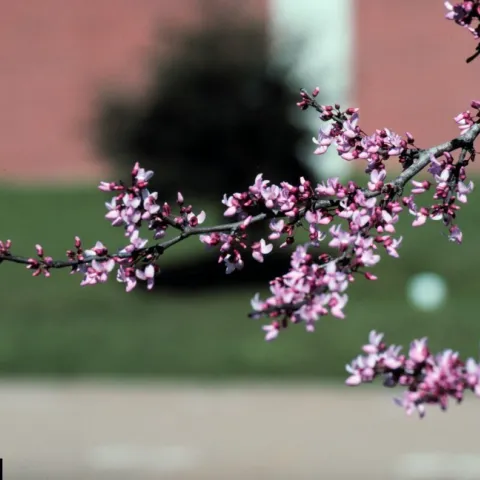
Redbud
Fresno Gardening Green: Article

Redhumped caterpillars can defoliate a redbud tree

March 26, 2025
By Jeannette Warnert
 By Beth Teviotdale Why are there no leaves on some shoots on my redbud tree? This sad sight is not uncommon come late spring and into summer. The villain responsible for this defoliation most likely is the redhumped caterpillar, which gets its name from the reddish hump located on its back a…
View Article
Primary Image
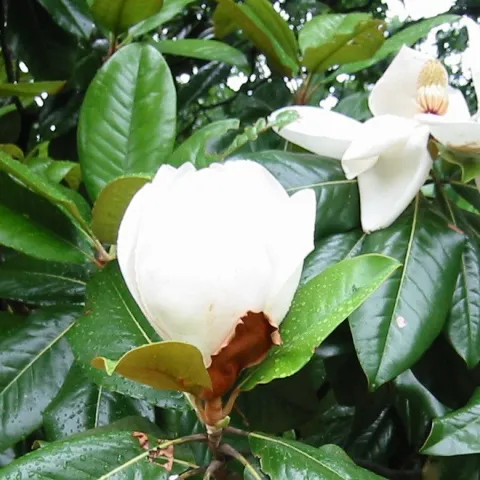
Magnolia
Fresno Gardening Green: Article

This week in the garden: March 28 - April 3

March 26, 2025
By Jeannette Warnert
Prepared by Terry Lewis Late March or early April is the end of the spring planting season; roots need to become established before the summer heat.TasksWatch for powdery mildew on susceptible plants. Rotate the fungicide used since the fungus may develop resistance.If citrus has scale, mites or thrips,…
View Article
Under the Solano Sun: Article

Succulent Shell Planter

March 26, 2025
By Jennifer M Baumbach
Blog article by Cindy Yee, UC Master Gardener-SolanoI have been searching for a “perfect” giant horse conch in SW Florida for a while now. The horse conch is Florida's state shell and can reach 24 inches long.  I think it's right up there in desirability with the coveted junonia, although many might…
View Article