A Natural Solution for California's Herds: African Catfish Peptides

California's cattle producers and agricultural communities are all too familiar with the rising challenge of antibiotic resistance, making common bacterial infections harder to treat in livestock. But imagine a future where we could tackle these infections with a natural, powerful alternative. Our research points to just that: antimicrobial peptides (AMPs) found in African catfish.

We're really excited about these peptides because African catfish thrive in pathogen-rich freshwater, naturally producing these robust immune compounds in their skin mucus as a defense. This natural origin makes them highly appealing alternatives to synthetic drugs.

Predicted Safety and Potent Action

One of the most compelling aspects of these AMPs is their predicted safety for mammals. Our initial computer analyses suggest that various catfish AMPs are generally recognized as safe (GRAS). We predict they'll be absorbed in the human intestine without causing liver, brain, or heart toxicity. Furthermore, lab tests on a promising peptide, NACAP-II, confirmed it was non-hemolytic, meaning it didn't damage rabbit red blood cells—a strong indicator of its potential safety for mammalian cells.

Beyond safety, these peptides demonstrate effectiveness against problematic bacteria. One study revealed NACAP-II's strong activity against Extended-Spectrum Beta-Lactamase (ESBL)-producing Escherichia coli—a critical concern for both animal and human health due to its resistance to many common antibiotics. Another peptide, ACAP-IV, also showed antibacterial activity against E. coli and Staphylococcus aureus. We believe these AMPs work by directly disrupting bacterial cell membranes, a mechanism that makes it harder for bacteria to develop resistance compared to how they resist traditional antibiotics.
Event Primary Image
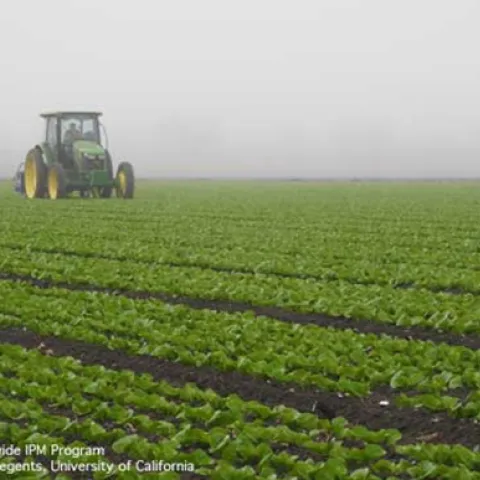
tractor in a field of lettuce
Grown in Marin: Event

Lettuce production and disease management in Salinas Valley

Event Date
Apr 15, 2026

Yu-Chen Wang, Plant Pathology Advisor with University of California Cooperative Extension, Monterey, Santa Cruz, and San Benito Counties, will provide an overview of the current knowledge and management of major lettuce diseases, including Impatiens Necrotic Spot, Pythium wilt, Verticillium wilt, and…
Grown in Marin
View Event
UC Master Gardeners of San Diego County: Page

San Diego County Yearly Impact

In the Garden Planting Seeds for a Healthier San Diego350 active volunteers35,048 hours donated$1,307,991 value of volunteer service Every year through our volunteer activities, San Diego County Master Gardeners reach thousands of people in countless ways as we aim to build a greener and healthier San…
View Page
Primary Image
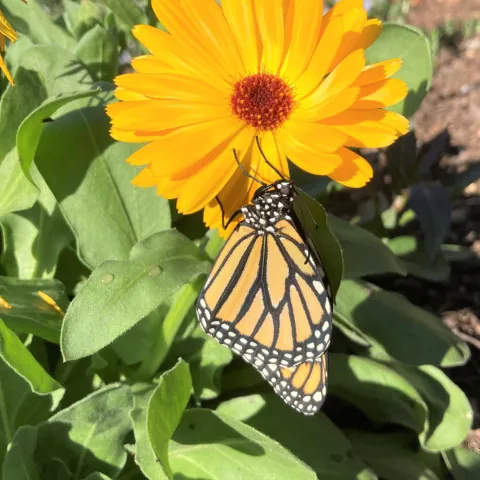
monarch butterfly on a calendula flower
UC Marin Master Gardeners: Article

Growing together: Good neighbors in the garden

April 6, 2026
 Companion planting means growing different plants close together so they can help each other. Some plants help keep bugs away. Others improve soil health, and many attract beneficial insects such as bees and butterflies. When plants work together, the entire garden thrives. Companion planting is not…
View Article
Livestock & Range: Article

Central Coast Rangeland Coalition Spring Meeting - April 16, 2026

April 6, 2026
By Fadzayi E Mashiri
Thursday April 16, 2026, 8:00 am-4:00 pmLas Piletas Ranch Preserve, Carrizo Plains Register for the Spring Meeting Join the Central Coast Rangeland Coalition at The Nature Conservancy's (TNC) Las Piletas Ranch Preserve- a 13,500-acre working cattle ranch and living laboratory for…
View Article
Primary Image
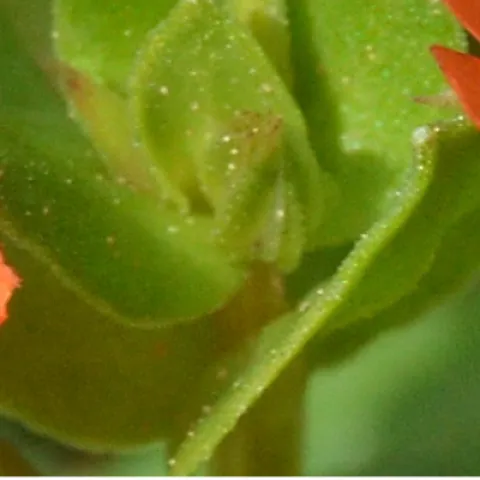
scarlet pimpernel weed
Under the Solano Sun: Article

Weeds

April 6, 2026
By Jennifer M Baumbach
Blog by Michelle DavisI enjoy most things about gardening, but weeding isn’t usually one of them. I do like how nice the gardens look when I am done, but that only lasts until the next weeds arise. Unseasonably warm weather this winter caused wild weed proliferation in my yard much earlier than expected…
View Article