UC ANR is committed to providing an accessible and inclusive web experience for all users. If you encounter an accessibility barrier or need content in an alternative or remediated accessible format, please contact anraccessibility@ucanr.edu.
You don't need a green thumb to grow rock purslane (Calandrinia grandiflora). PlantMaster If you've been unsuccessful at gardening, take heart. There could be many reasons for that, starting with the condition of your soil or other cultural factors in your garden.
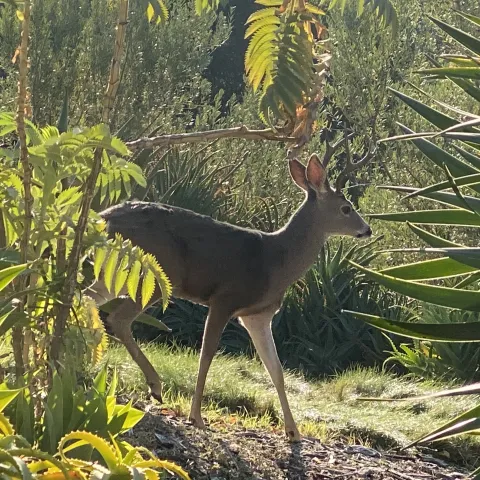
Deer tend to avoid plants that are smelly, wooly, prickly, or poisonous. Photo: Marie Narlock It's possible to have a lovely unfenced garden even if there are deer in your neighborhood.
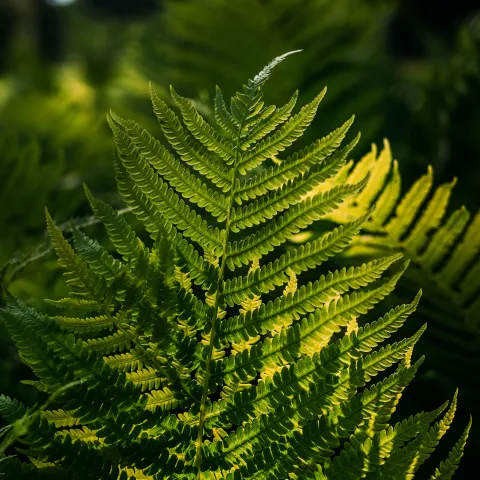
Have a shady nook that needs attention? There is a world of gorgeous plants up for the job. They come in every imaginable shade of green from pastel to chartreuse, emerald, and deep forest green. Shade plants are often slower growing than sun-loving species.
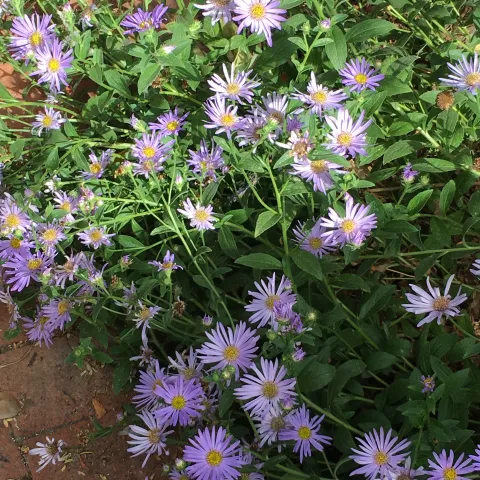
Some perennials bloom exuberantly in the heat of summer. Photo: Creative Commons When temperatures rise, everyone feels the heat even your garden. If you live in a hot summer area, be sure to use strategies to avoid heat stress in plants.
If you feel like you need a jackhammer to bust into your garden soil, you've got clay. This is a familiar garden complaint in Marin. If you want to make your clay soil more workable, you can amend it with organic material.
Is your garden soil not quite what you want it to be? Need to make some improvements? Soil amendments may be a solution. Before making any additions or changes to your soil, its good to know what soil amendments are and how they may work in your soil.
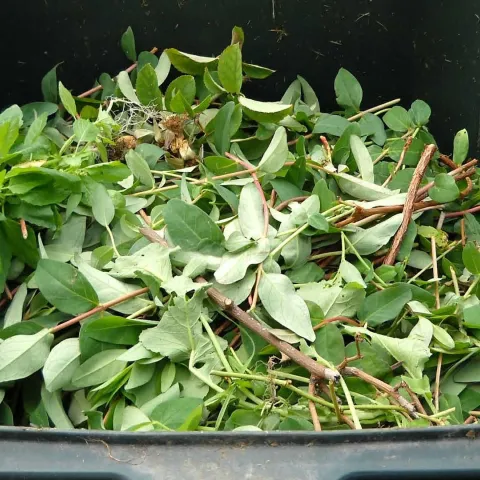
Compost benefits the garden as well as the environment. Photo: Pixabay.com The process of composting is good for your garden and for the environment. Home composting allows gardeners to recycle organic material while conserving landfill space and reducing reliance on fossil fuel.
Build a great foundation of climate-conscious, Earth-friendly gardening principles and knowledge tailored to the needs, climate and conditions of gardens in Marin.