UC ANR is committed to providing an accessible and inclusive web experience for all users. If you encounter an accessibility barrier or need content in an alternative or remediated accessible format, please contact anraccessibility@ucanr.edu.
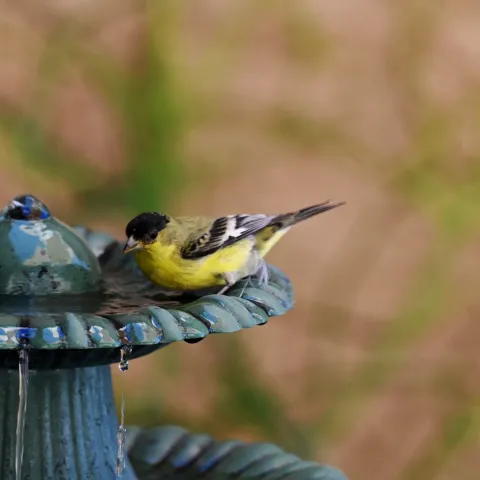
Provide a clean water source for thirsty birds and bees. Photo: Dan Wayman, unsplash Maintenance and prevention Monitor soil moisture. The water requirements of plants peaks in July. Established perennials, shrubs, and trees need infrequent but deep watering.
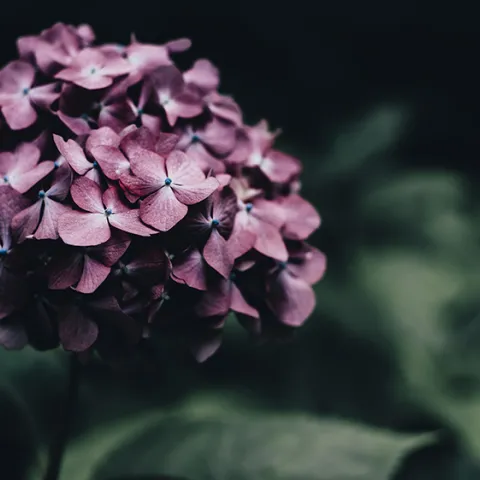
Prune hydrangeas after blooms fade. Annie Spratt, Unsplash Maintenance and prevention Monitor soil moisture. Established perennials, shrubs and trees need infrequent but deep watering. Container plants may need daily watering.
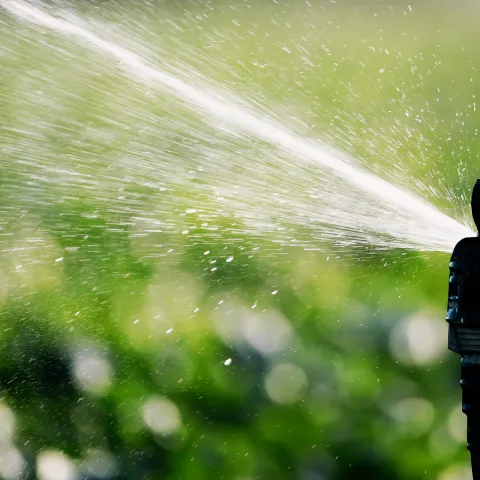
Reduce irrigation times as day length shortens and plant growth slows. Photo: Courtesy UC Regents Maintenance and prevention Reduce irrigation times as day length shortens and plant growth slows.
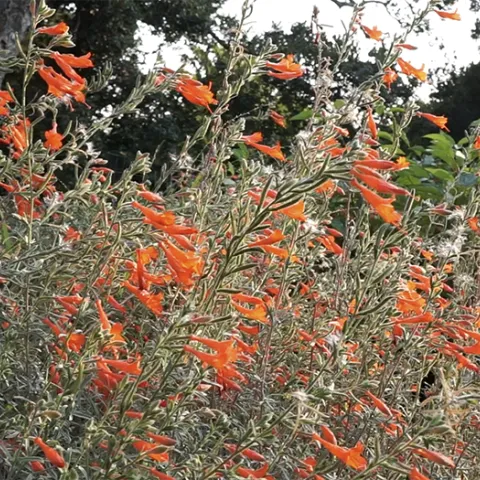
Fall is the perfect time to plant native plants, like this California fuchsia (Epilobium). Photo: Marie Narlock Maintenance and prevention Reduce irrigation times significantly as day length shortens and plant growth slows or stops.
Create new planting areas by sheet mulching over weed patches or unwanted lawn. Photo: Courtesy UC Regents Maintenance and prevention Mulch bare soil to hold in moisture, keep out weeds, and prevent compaction by hard rains. Clean up the garden before the rains begin.
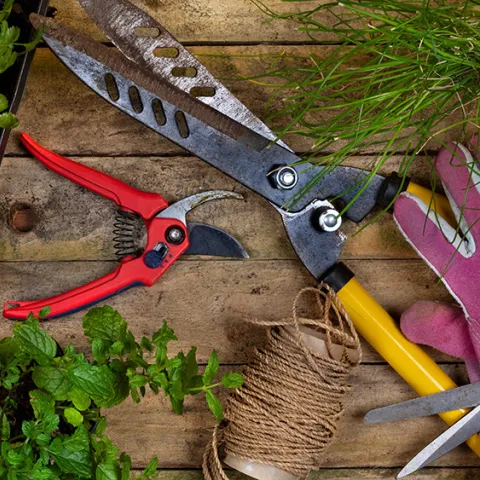
Winter is a good time to clean and sharpen tools. Photo: Piqsels Maintenance and prevention Clean up the garden to avoid over-wintering diseases. Cover open compost bins with a tarp when the rains begin. Protect frost-sensitive garden plants such as succulents.
The most water conserving edibles are winter/spring crops that take advantage of rain and crops with the shortest days to maturity. Photo: PlantMaster Water is a precious resource whether it's being used in the edible garden or elsewhere.
Mustard is a beautiful cover crop that suppress some harmful soil-dwelling nematodes. Photo: Courtesy of UC Regents Putting the garden to rest Thanks to Marin's mild winter weather, home gardeners can grow vegetables year-round.
When transplanting natives, dig hole the same depth and twice as wide as the pot. Metropolitan Water District of Southern California When planting natives, it is important to fully soak the soil before planting. The hole should be the same depth as the pot and twice as wide.