UC ANR is committed to providing an accessible and inclusive web experience for all users. If you encounter an accessibility barrier or need content in an alternative or remediated accessible format, please contact anraccessibility@ucanr.edu.
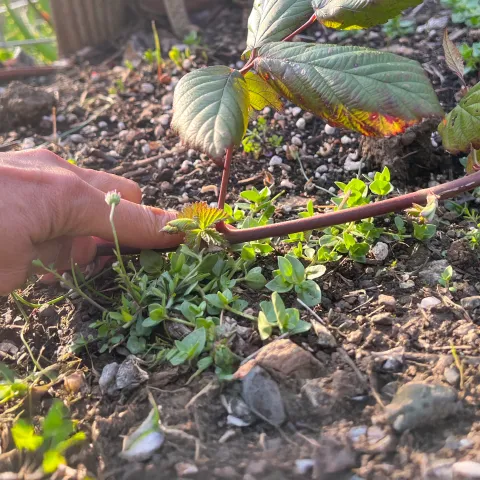
With layering, stems are induced to produce "adventitious" roots while they remain attached to the parent plant. Adventitious roots are those produced in an unusual time or position. Blackberries are great candidates for tip layering.
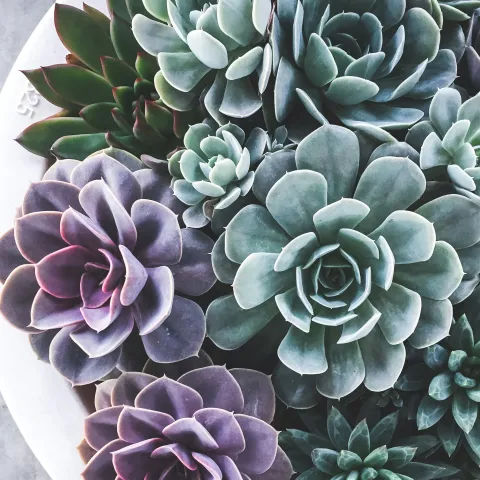
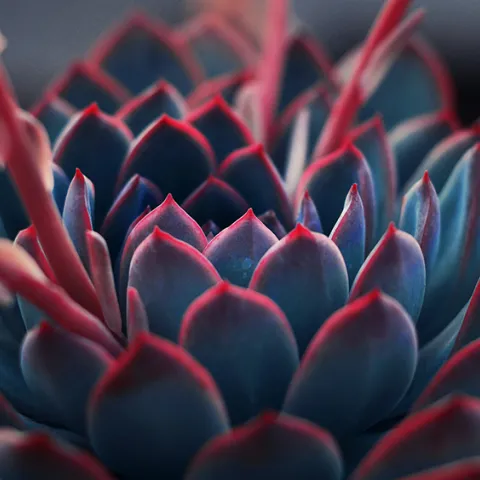
Visit Falkirk Demonstration Garden in San Rafael to see a wonderful display of succulents that thrive in Marin. Succulents, those gorgeous plants with thick, fleshy stems and leaves that collect and store water, can be grown in the ground or in containers.
Print it: quick reference page to post at home Print and post this flyer where it's easily accessible. It features at-a-glance Fire-smart tips you can use throughout the year to increase the safety of your landscape and home. To print, click on the images.
Meet the spectacular succulents and other low-water plants at the Falkirk Demonstration Garden in San Rafael. L Stiles Every summer is dry in Marin and drought is an undeniable reality. In response, many gardeners make it a goal to conserve water wherever possible.
Photo: Daria Rem, Pexels If you revel in the array of tones and textures in our garden, you can bring that feeling indoors with a few well-placed houseplants. Houseplants create a sense of colorful coziness, along with the added bonus of purifying the air you breathe.
White clover is a walkable lawn alternative that works in sun or shade and does not show pet stains. Sydney Rae, Unsplash Lawns are a landscape feature we've borrowed from areas where rain is more plentiful.
Snails can mow down new transplants in one night. Photo: Pexels An invertebrate is any animal without an internal backbone including insects, spiders, mollusks, crustaceans, and worms.
Moles can be a nuisance; but they eat grubs, not plants. Photo: Pexels A vertebrate is an animal with a backbone. Its a diverse group including warm-blooded animals like squirrels and rats, crows and hummingbirds, and cold-blooded types like snakes and lizards.
Rust is a common fungal disease of roses. Photo: UC ANR A plant disease is a malfunction in a plant in response to an infectious agent or pathogen, most typically a bacterium, fungus, virus, or nematode.