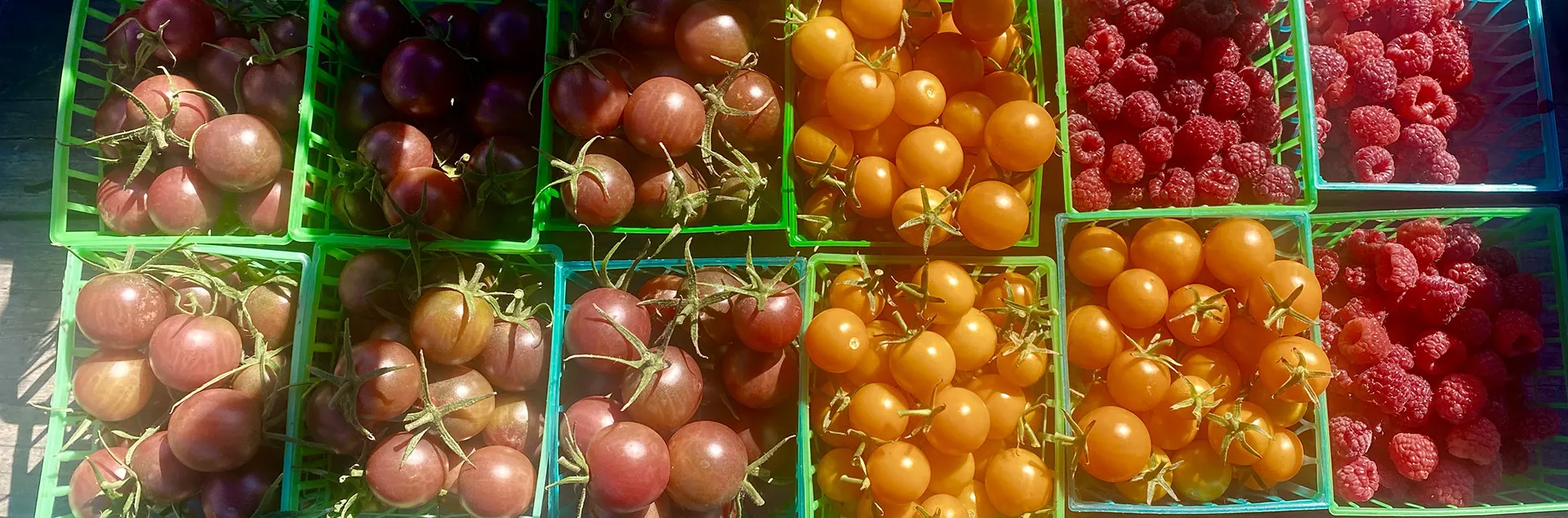
cherry tomatoes and raspberries from the Edible Demo Garden at Indian Valley College Novato CA
mg-logo
UC Marin Master Gardeners

Edible Demo Garden

The Edible Demo Garden at IVC Organic Farm & Garden

EDG Garden view

The 2100 sq ft Edible Demonstration Garden at Indian Valley Organic Farm and Garden (IVOFG) in Novato was designed and installed by UC Marin Master Gardeners in 2016 and is a hands-on teaching tool for UC MMG and the public.  The garden showcases sustainable agricultural practices while growing over 100 varieties of vegetables, flowers, fruit and herbs using a variety of growing situations that are options for Marin gardeners.

News from the Edible Demo Garden

What you can do at the Edible Demo Garden
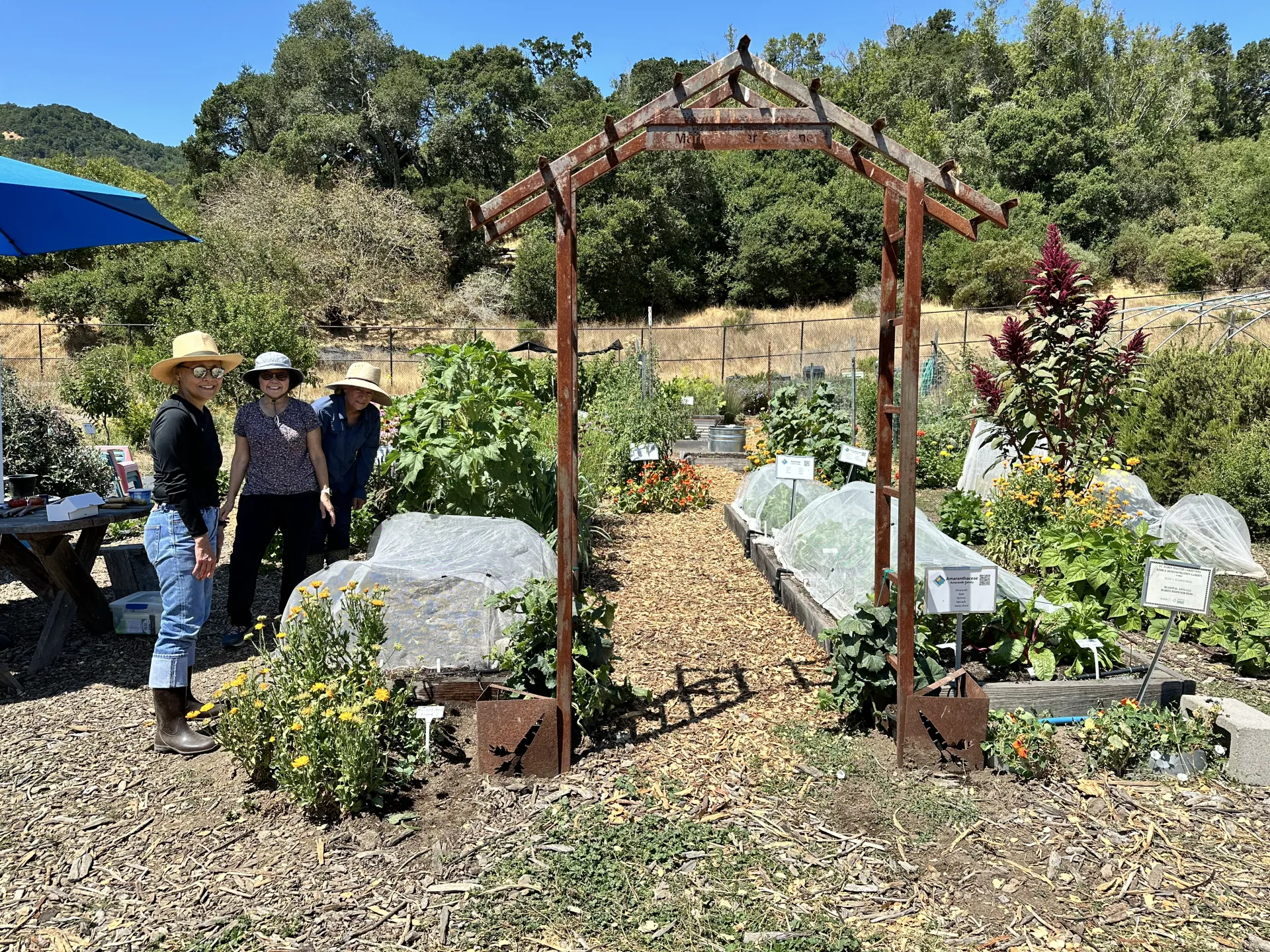
edg MMGs working, Perrin copy

Visit the garden
Drop in any first Friday of the month between 9am-11am. We will give you a tour and answer any gardening questions.

Guided group tours
Private educational tours and training are available to groups. To schedule a private tour, contact us at EdibleDemoGarden@MarinMG.org

Buy our sustainably-grown, organic produce at the Farm Stand
All produce grown in the garden meets the Marin Organic Certified Agriculture (MOCA) requirements and is sold at the IVOFG farm stand or included in the farm's CSA boxes. The farm stand is open Saturdays 10am - 1pm July through October.

Learn from our workshops:
• Offered periodically on Saturday mornings during the year
• Learn how to plant, maintain and harvest vegetables, identify and manage pests and problems, and maintain soil fertility.
• Check for upcoming workshops/events on our events calendar

Email us at the Edible Demo Garden for more information

HOW TO GET THERE

College of Marin Indian Valley Campus
1800 Ignacio Blvd
Novato CA 94949

> Directions to Indian Valley Organic Farm & Garden
_____________________

OTHER UC MMG 
DEMONSTRATION GARDENS
> Harvey's Garden at Blackie's Pasture, Tiburon
> Falkirk Demonstration Garden, San Rafael

LEARN HOW TO GROW EDIBLES IN STRAW BALES
> BACK TO ASK US
UC Marin Master Gardeners: Article

May 2021: Straw Bale Gardening

August 22, 2021
The word last month was weeds. This month, it is straw. Straw is one of the most versatile materials for our vegetable gardens. Our team uses it in many ways...
View Article
Primary Image
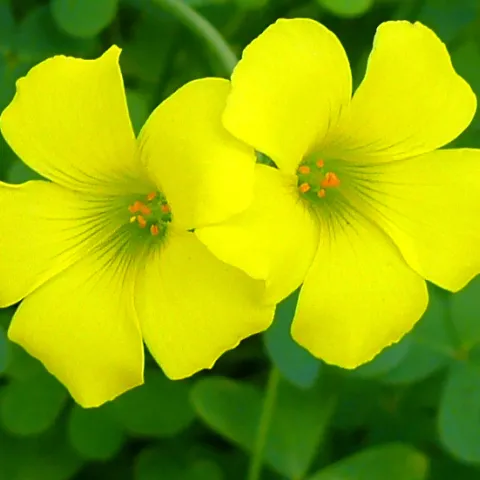
Oxalis pes-carpe, Bermuda buttercup or Cape sorrel. Photo: Wikimedia Commons
UC Marin Master Gardeners: Article

April 2021: Controlling Weeds

March 31, 2021
March brought many unwelcome guests to our garden. Weeds! Weeds compete with our crops for nutrients, water, sunlight, and space...
View Article

March 2021: Growing Edibles in Drought

Primary Image
Photo: Jonathan Kemper, Unsplash
Body

jonathan-kemper-xvVAkT3I-84-unsplash
The Edibles Demonstration Garden team took steps in the last month to move toward spring and summer plantings.  We also made the decision to postpone our dreams of expanding our fruit tree orchard until the next bare-root season. Unfortunately, it was too late to get the varieties that we wanted. 

There is a more critical concern now:  how to increase the efficiency of our water use during prime growing season. As reported by the Marin Municipal Water District, our reservoirs are at 57% of capacity.  This is just 64% of the average at this time of year.  Weather predictions show no significant rain in sight and even the dreaded word, ‘rationing’ is being thrown about.  How can we become more efficient in our watering practices during the hot months and still maintain our beautiful garden?

Good Cultural Practices to Promote Efficient Watering

First, here is a list of basic practices that you should be following in your garden:

  • Use drip irrigation because it wastes less water.
  • Add organic matter (compost) to soils regularly to improve soil texture and boost the water holding capacity.
  • Add at least 2 inches or up to 6 inches of mulch in early spring.
  • Water only when plants need moisture.

Factors Affecting When Plants Need Moisture

The time of year affects the amount of water plants need.  With drip irrigation, you may need only 15 minutes of watering in the spring while during the summer your watering time could increase to as much as an hour.  Generally, your water usage will be at its height at the summer solstice, the longest day of the year.  As late summer and autumn approaches, you should be decreasing your watering time even if the days are still hot.  Plants are not growing as rapidly and need less water.  Less water even concentrates flavors in some fruits and definitely does so for tomatoes.  Hot days and wind, which is more drying than heat, should also be a consideration for adjusting your watering. 


Watering Depth

Most people water too often and not thoroughly enough. 

How do we give our plants the water they need without wasting it when we need to water deeply?  Watering depth depends on the kind of plant being watered.  Here are some general rules:

  • leafy vegetables and bedding plants – 6 inches to 1 foot
  • small shrubs, corn, tomatoes – 1 to 2 feet
  • large shrubs, trees – 1.5 to 5 feet

How to Determine Whether to Adjust Watering Frequency and Time

Make it a habit to check your soil moisture throughout the growing season to determine if your irrigation time and frequency need to be adjusted. Dig a hole near the root zone (see watering depth guidelines above), grab a handful of soil and make a ball. 

  • If you cannot make a ball, then the soil moisture is approaching 0% and you need to water now.
  • If you can form a loose ball that is a little crumbly with thumb pressure but will hold together under hand pressure, the soil moisture is at 50% or less of the last water applied and it is approaching time to irrigate.
  • If the soil forms a ball, feels a little plastic, and possibly slick with pressure, 50%-75% of the last water applied is still available and water is not needed.
  • If it forms a ball, is very easy to shape and may feel slick, plenty of moisture is available. Glistening or dripping soil samples indicate excessive water. 

Consider using a moisture meter (available at most plant nurseries) in addition to evaluating a soil sample manually. These meters use a scale of 1 to 10.  5 would indicate 50% water availability.  A meter will add more certainty to your decisions about adjusting your irrigation time and frequency.  As with everything, the more you practice this procedure and see the consequences of your actions, the more confidence you will gain in your ability to determine that sweet spot between too little water and too much.  Our goal at the EDG this season is not to waste a drop.  Let’s all work on this together. 

Learn more about irrigation, conserving water in your edible garden, and water-saving tips

UC Marin Master Gardeners
Primary Image
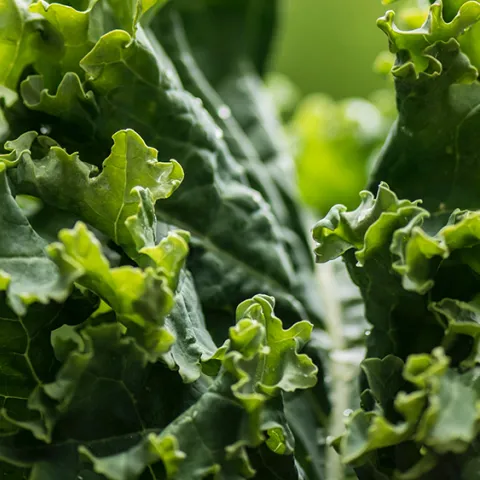
Kale. Photo: Erda Estremera, Unsplash
UC Marin Master Gardeners: Article

February 2021: Winter Pruning

March 31, 2021
As we welcomed the New Year, our winter garden had come to life. We are now harvesting the fruits of our fall labors: beautiful heads of broccoli, arugula, spicy mesclun mix, lettuce, spinach, kale...
View Article
Primary Image
Photo: Joan Kozlowski
UC Marin Master Gardeners: Article

January 2021: Propagation

March 31, 2021
December arrived and found our team enjoying some well-deserved rest. The planting of our winter garden is finished and now we are just waiting for it to start producing.
View Article
Primary Image
Slices of watermelon radishes. Photo: Michele Blacksell, Unsplash
UC Marin Master Gardeners: Article

December 2020: What to Grow in Winter

March 31, 2021
What a busy month weve had in the Edibles Demonstration Garden. We finished out the busy summer season by harvesting our winter squash...
View Article
Primary Image
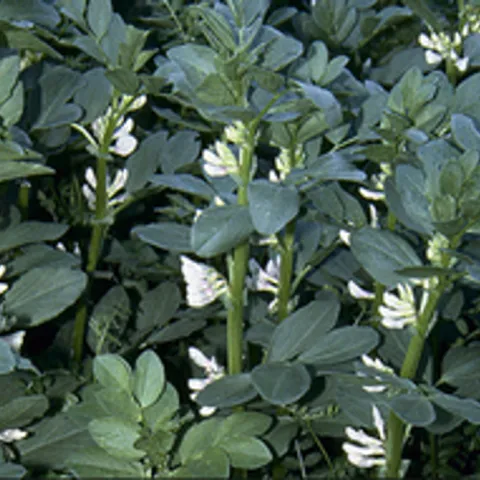
Fava beans are a great cover crop.
UC Marin Master Gardeners: Article

November 2020: Cover Crops

March 31, 2021
This fall our team has been busy ordering seeds for our winter garden and then starting them in the greenhouse to get a good jump on our plantings.
View Article