A Natural Solution for California's Herds: African Catfish Peptides

California's cattle producers and agricultural communities are all too familiar with the rising challenge of antibiotic resistance, making common bacterial infections harder to treat in livestock. But imagine a future where we could tackle these infections with a natural, powerful alternative. Our research points to just that: antimicrobial peptides (AMPs) found in African catfish.

We're really excited about these peptides because African catfish thrive in pathogen-rich freshwater, naturally producing these robust immune compounds in their skin mucus as a defense. This natural origin makes them highly appealing alternatives to synthetic drugs.

Predicted Safety and Potent Action

One of the most compelling aspects of these AMPs is their predicted safety for mammals. Our initial computer analyses suggest that various catfish AMPs are generally recognized as safe (GRAS). We predict they'll be absorbed in the human intestine without causing liver, brain, or heart toxicity. Furthermore, lab tests on a promising peptide, NACAP-II, confirmed it was non-hemolytic, meaning it didn't damage rabbit red blood cells—a strong indicator of its potential safety for mammalian cells.

Beyond safety, these peptides demonstrate effectiveness against problematic bacteria. One study revealed NACAP-II's strong activity against Extended-Spectrum Beta-Lactamase (ESBL)-producing Escherichia coli—a critical concern for both animal and human health due to its resistance to many common antibiotics. Another peptide, ACAP-IV, also showed antibacterial activity against E. coli and Staphylococcus aureus. We believe these AMPs work by directly disrupting bacterial cell membranes, a mechanism that makes it harder for bacteria to develop resistance compared to how they resist traditional antibiotics.
Primary Image
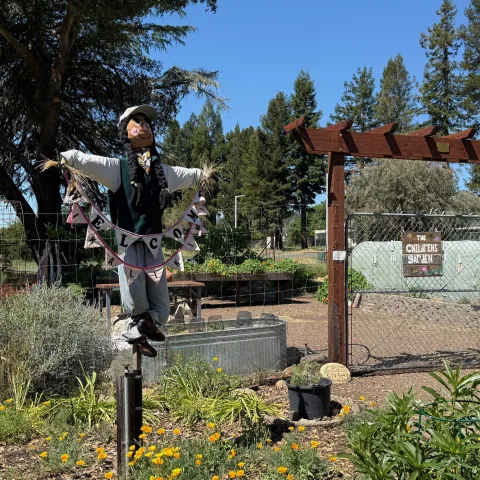
Front gate to a children's garden with a scarecrow in the foreground

Restoring the Children’s Garden, Expanding Student Access

April 20, 2026
By Katherine Uhde
 Picture this: it's 9 a.m. on a weekday morning, and a school bus arrives carrying students eager for a day outside the classroom. As they step off the bus, they are welcomed by fresh air, delightful smells and colorful plants. They are greeted by the smiles of UC Master Gardener volunteers ready to…
View Article
Tulare County UC Cooperative Extension 4-H : Article

4-H’ers SPEAK April/May

April 20, 2026
By Socorro de Figueiredo
 This newsletter shares timely updates, key deadlines, and opportunities to keep 4-H youth, volunteers, and families informed, celebrated, and ready for upcoming programs and events.Ignite by 4-H Sparks Youth Leadership Ignite by 4-H sparked inspiration in our youth! From March 25–28, Tulare County…
View Article
Topics in Subtropics: Article

Black Fig Fly

April 20, 2026
By Ben A Faber
Black Fig Fly (Diptera: Lonchaeidae: Silba adipata)Invasive Fig Pest Recently Discovered in Southern CaliforniaClick Here to Download the "Pest Alert" PDFOverviewFig growers need to be aware of the black fig fly (BFF), an invasive insect that was recently discovered infesting figs in multiple counties in…
View Article
Primary Image
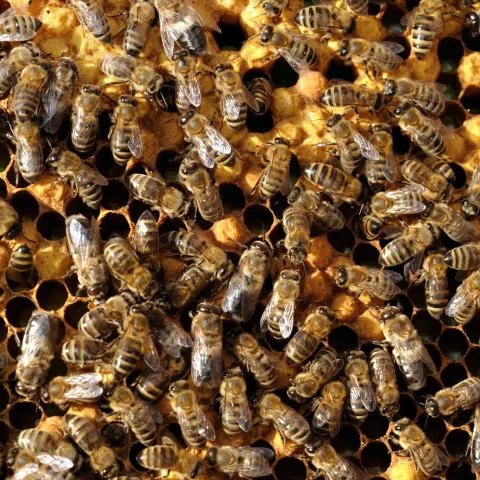
Honey bees at work inside the hive. (Photo by Kathy Keatley Garvey)

Engineering Honey Bee Gut Bacteria

April 20, 2026
By Kathy Keatley Garvey
 This promises to be an interesting talk!Synthetic biologist Sean Leonard, research scientist at the Lawrence Livermore National Laboratory will present  "Engineering Honey Bee Gut Bacteria to Activate Immunity and Limit Pathogens" at his seminar hosted by the UC Davis Department of Entomology and…
View Article
Primary Image
California Department of Food & Agriculture (CDFA) Logo Green, yellow, brown, & blue

CDFA Block Grants 2026

April 20, 2026
By Heather Montgomery
Healthy Soils Program (HSP) and the State Water Efficiency and Enhancement Program (SWEEP) Block Grants Climate Bond Funding for Prop 4:Proposition 4 which was passed by California voters in November of 2024. CDFA's Office of Agricultural Resilience and Sustainability (OARS) will utilize…
View Article
Primary Image
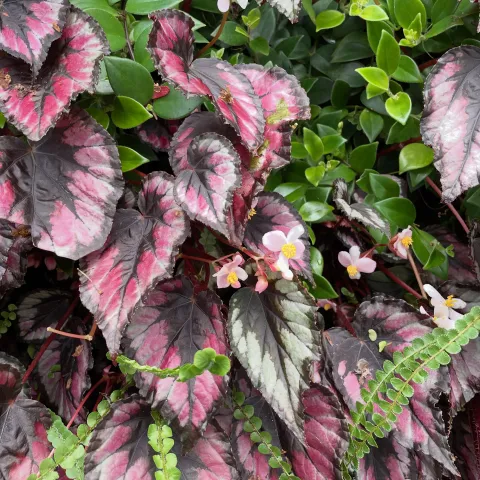
Rex begonia with multicolored leaves
UC Marin Master Gardeners: Article

Venturing into the world of tropical plants

April 20, 2026
 Most of us don’t have gardens as expansive as those created by 18th century landscape architect Capability Brown who moved a river to create the beautiful vistas at Chatsworth House, or large enough to design outdoor “rooms” like those created in the 20th century by Vita Sackville West at her…
View Article
Primary Image
nutria where you can observe its long, rat-like tail

Update on Nutria Populations

April 20, 2026
By Sarah Marsh Janish
Last year during the 2025 Winter Grower Meetings, we mentioned nutria as an emerging invasive pest capable of harming rice fields, especially in the Delta region. After these meetings, we received several anecdotal confirmations of sightings of nutria and nutria burrows around the Stockton area and further…
View Article