A Natural Solution for California's Herds: African Catfish Peptides

California's cattle producers and agricultural communities are all too familiar with the rising challenge of antibiotic resistance, making common bacterial infections harder to treat in livestock. But imagine a future where we could tackle these infections with a natural, powerful alternative. Our research points to just that: antimicrobial peptides (AMPs) found in African catfish.

We're really excited about these peptides because African catfish thrive in pathogen-rich freshwater, naturally producing these robust immune compounds in their skin mucus as a defense. This natural origin makes them highly appealing alternatives to synthetic drugs.

Predicted Safety and Potent Action

One of the most compelling aspects of these AMPs is their predicted safety for mammals. Our initial computer analyses suggest that various catfish AMPs are generally recognized as safe (GRAS). We predict they'll be absorbed in the human intestine without causing liver, brain, or heart toxicity. Furthermore, lab tests on a promising peptide, NACAP-II, confirmed it was non-hemolytic, meaning it didn't damage rabbit red blood cells—a strong indicator of its potential safety for mammalian cells.

Beyond safety, these peptides demonstrate effectiveness against problematic bacteria. One study revealed NACAP-II's strong activity against Extended-Spectrum Beta-Lactamase (ESBL)-producing Escherichia coli—a critical concern for both animal and human health due to its resistance to many common antibiotics. Another peptide, ACAP-IV, also showed antibacterial activity against E. coli and Staphylococcus aureus. We believe these AMPs work by directly disrupting bacterial cell membranes, a mechanism that makes it harder for bacteria to develop resistance compared to how they resist traditional antibiotics.
Primary Image
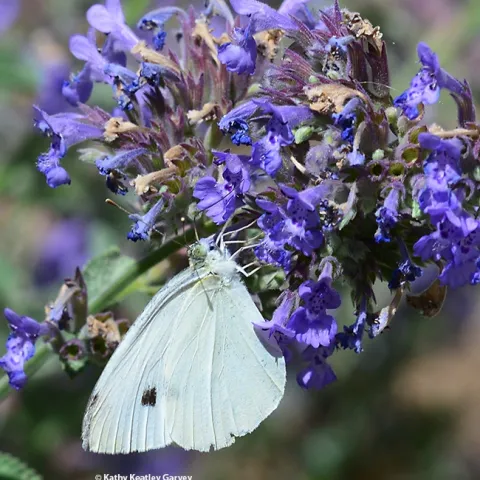
A cabbage white butterfly, Pieris rapae, sipping nectar on catmint (Nepeta). (Photo by Kathy Keatley Garvey)
Bug Squad: Article

Beer for a Butterfly? No Winner Yet!

January 17, 2024
By Kathy Keatley Garvey
As of today, Jan. 17, no one has won the Beer-for-a-Butterfly contest sponsored by butterfly guru Art Shapiro, UC Davis distinguished professor emeritus of the Department of Evolution and Ecology.
View Article
Primary Image
MG2024Q1RecipesA
Garden Notes: Article

Recipes from the Garden: A Taste of the Season

January 17, 2024
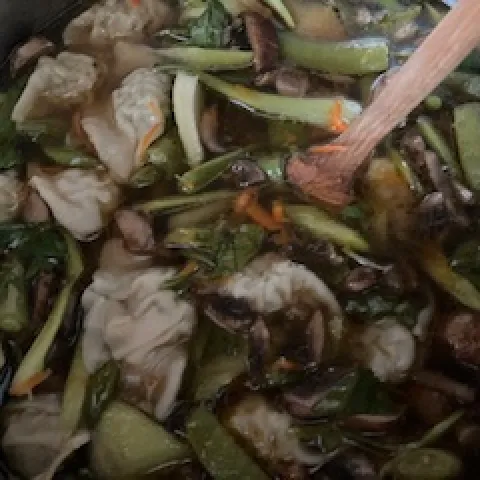
Recipes From the Garden: A Taste of the Season A roundup of soups welcoming in the New Year guarantees comfort and warmth this winter season. Maybe you have heard the hype: Trader Joe's mini wontons are the perfect dumpling to elevate your wonton soup experience.
View Article
Primary Image
MG2024Q1PlantsB
Garden Notes: Article

Plants of the Season

January 17, 2024
PERENNIAL SHRUB: Chinese hibiscus or tropical hibiscus. This is a gorgeous flowering shrub that will provide large beautiful blooms all summer and fall. There are over 200 species but the pretty variety you want goes by the name Hibiscus rosa-sinensis.
View Article
Primary Image
MG2024Q1PestsA
Garden Notes: Article

Pests of the Season

January 17, 2024
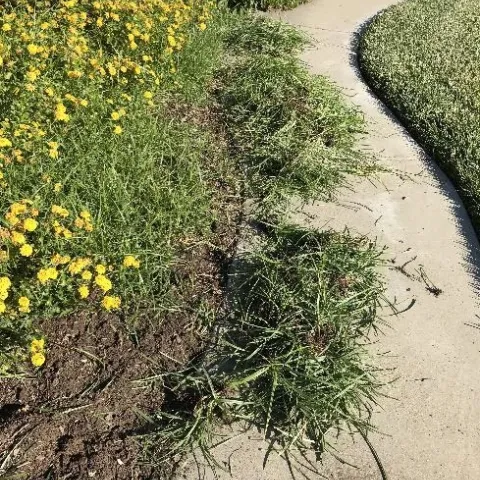
A Weed, a Pest, and a Disease Yellow Nutsedge, a weed: Nutsedges are common weeds in our area, but not common in my garden. This past spring, however, brought an invasion of an unfamiliar grass-like weed that was overtaking an area normally occupied by colorful yellow lantana.
View Article
Primary Image
MG2024Q1HortTermsA
Garden Notes: Article

Horticultural Terms - Grafting

January 17, 2024
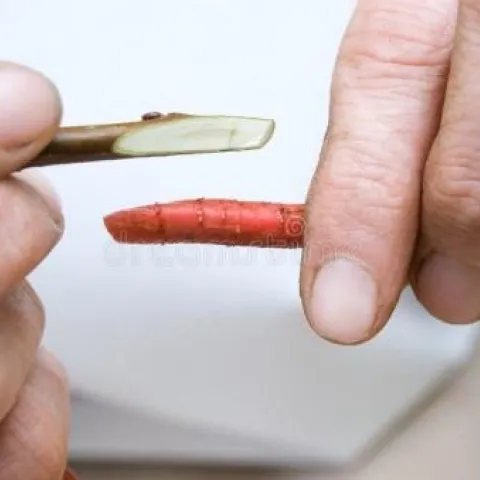
Reprint from 2017 Article by Budding and Grafting: Methods of plant propagation used to grow more than one variety, and in some cases, more than one species, of fruit on a single tree. Scion: A branch, shoot, or bud removed from one plant and grafted onto another (the stock or rootstock).
View Article
Primary Image
Photo: Constance Starner
Garden Notes: Article

Help Line: How can I best care for my citrus trees?

January 17, 2024
We are fortunate to be able to grow a variety of citrus trees in our area. Because they are subtropical plants, the first consideration is to choose a site that is sunny, warm, and protected from wind in well-drained soil.
View Article
Primary Image
MG2024Q1GrowingKnowA
Garden Notes: Article

Growing Knowledge

January 17, 2024
What might you do to gain gardening knowledge? Congratulations! You are doing it! 65% of people prefer visual information, so reading helps most of us. Apart from learning new things, reading activates our cognitive brain functioning and staves off decline. We become changed people.
View Article
Primary Image
MG2024Q1FromGardenA
Garden Notes: Article

Preserve Your Garden Flowers

January 17, 2024
As Autumn is coming to an end and Winter is quickly approaching, it is a good time to look around your garden for the remnants of the past season. Gather dried pods, seed heads, dried flowers, herb stems, and even weed plumes. Also, Oak galls, acorns, and pinecones are some more of nature's gifts.
View Article
Primary Image
Photo by Flo Pucci
Garden Notes: Article

The Color of Leaves: Where Does It Come From?

January 17, 2024
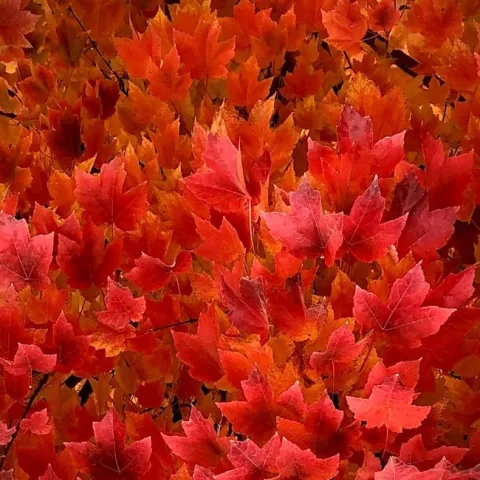
Have you ever wondered what makes tree leaves change color during fall? Many people believe that frost is responsible for the change in colors, but frost has little to do with it. Many times, leaves change color before the first hint of frost.
View Article