A Natural Solution for California's Herds: African Catfish Peptides

California's cattle producers and agricultural communities are all too familiar with the rising challenge of antibiotic resistance, making common bacterial infections harder to treat in livestock. But imagine a future where we could tackle these infections with a natural, powerful alternative. Our research points to just that: antimicrobial peptides (AMPs) found in African catfish.

We're really excited about these peptides because African catfish thrive in pathogen-rich freshwater, naturally producing these robust immune compounds in their skin mucus as a defense. This natural origin makes them highly appealing alternatives to synthetic drugs.

Predicted Safety and Potent Action

One of the most compelling aspects of these AMPs is their predicted safety for mammals. Our initial computer analyses suggest that various catfish AMPs are generally recognized as safe (GRAS). We predict they'll be absorbed in the human intestine without causing liver, brain, or heart toxicity. Furthermore, lab tests on a promising peptide, NACAP-II, confirmed it was non-hemolytic, meaning it didn't damage rabbit red blood cells—a strong indicator of its potential safety for mammalian cells.

Beyond safety, these peptides demonstrate effectiveness against problematic bacteria. One study revealed NACAP-II's strong activity against Extended-Spectrum Beta-Lactamase (ESBL)-producing Escherichia coli—a critical concern for both animal and human health due to its resistance to many common antibiotics. Another peptide, ACAP-IV, also showed antibacterial activity against E. coli and Staphylococcus aureus. We believe these AMPs work by directly disrupting bacterial cell membranes, a mechanism that makes it harder for bacteria to develop resistance compared to how they resist traditional antibiotics.


Primary Image
Creating a garden path allows access to maintain these roses.
Garden Notes: Article

Life-long Gardening

January 17, 2024
I enjoy the beauty, creativity, accomplishment, exercise, and sense of community that come with gardening. While I'm not as young as I used to be, I managed pretty well until recently, when I fractured my back.
View Article
Primary Image
MG2024Q1Feat1A
Garden Notes: Article

FLAVOR: It's Sensory Perception

January 17, 2024
Winter is a season of flavorful bursts. The dinner to warm and nourish, a breakfast of eggs plucked from perhaps your own hens' laying boxes, dishes prepared with carefully preserved vegetables and fruits (talking about YOU, Master Food Preservers!).
View Article
Primary Image
MG2024Q1ChoresB
Garden Notes: Article

Winter Garden Chores: January, February, and March

January 17, 2024
January, February and March can be cold and blustery. Hopefully there will be at least one pleasant day each week so these few winter chores can be accomplished without rain gear and/or three layers of clothing.
View Article
Primary Image
Photo: FoodSafetyNews.com
Preservation Notes - San Joaquin Master Food Preservers: Article

Ensuring a Safe Super Bowl Feast

January 17, 2024
By Marceline D Sousa
The Super Bowl is a time of excitement, camaraderie, and of course, indulging in delicious snacks and meals. As you gear up for the big game, it's crucial to prioritize food safety to ensure that your Super Bowl party is not only enjoyable but also free from potential health risks.
View Article
Primary Image
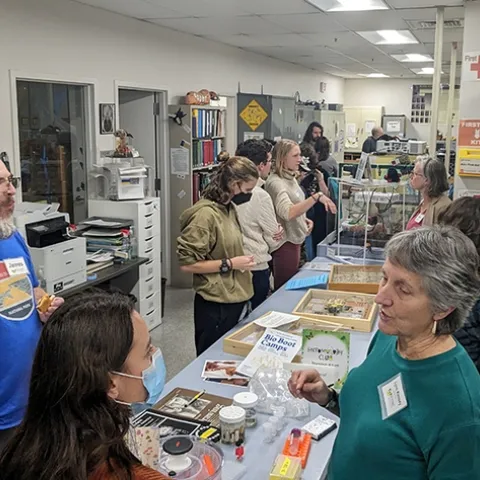
Lynn Kimsey (right foreground), director of the Bohart Museum of Entomology, and James Starrett (left) postdoctoral research scientist with the Jason Bond lab, talk to UC Davis scientists.
Entomology & Nematology News: Article

Bohart Museum of Entomology Hosts Open House for Biologists

January 17, 2024
By Kathy Keatley Garvey
The Bohart Museum of Entomology recently hosted an evening open house to engage and inform UC Davis Department of Entomology and Nematology biologists on how to streamline their efforts at all stages of their research, from collecting insects and arachnids to using the Bohart specimens.
View Article
Primary Image
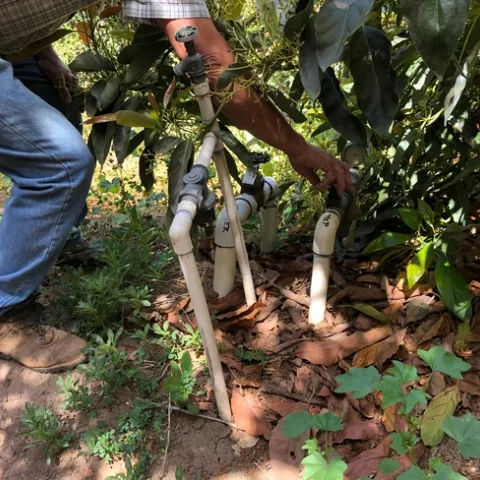
irrigation valves
Topics in Subtropics: Article

Grants to Improve Irrigation and Soils

January 17, 2024
By Ben A Faber
VCRCD is now accepting applications for SWEEP & HSP Block Grant Programs! It's finally here!!! Agricultural operations can receive up to $200,000 for approved practices.
View Article
Primary Image
Halo apricot. photos by Heather Hamilton
Under the Solano Sun: Article

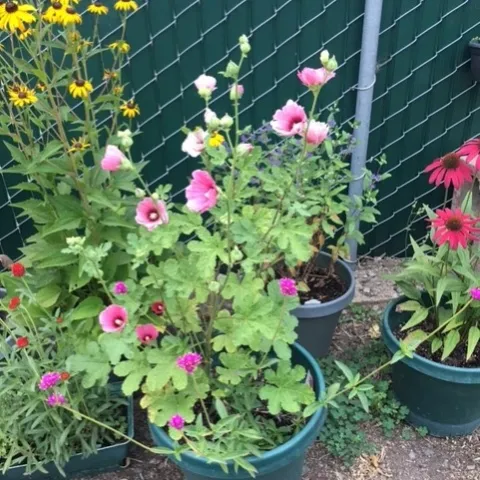
Hollyhocks

January 17, 2024
Alcea rosea is commonly known as a hollyhock. They are in the Malvaceae family. Hollyhocks need a spot in full sun that receives about 8 hours a day. They are typically annual or bi-annual plants, with some varieties being perennials.
View Article