A Natural Solution for California's Herds: African Catfish Peptides

California's cattle producers and agricultural communities are all too familiar with the rising challenge of antibiotic resistance, making common bacterial infections harder to treat in livestock. But imagine a future where we could tackle these infections with a natural, powerful alternative. Our research points to just that: antimicrobial peptides (AMPs) found in African catfish.

We're really excited about these peptides because African catfish thrive in pathogen-rich freshwater, naturally producing these robust immune compounds in their skin mucus as a defense. This natural origin makes them highly appealing alternatives to synthetic drugs.

Predicted Safety and Potent Action

One of the most compelling aspects of these AMPs is their predicted safety for mammals. Our initial computer analyses suggest that various catfish AMPs are generally recognized as safe (GRAS). We predict they'll be absorbed in the human intestine without causing liver, brain, or heart toxicity. Furthermore, lab tests on a promising peptide, NACAP-II, confirmed it was non-hemolytic, meaning it didn't damage rabbit red blood cells—a strong indicator of its potential safety for mammalian cells.

Beyond safety, these peptides demonstrate effectiveness against problematic bacteria. One study revealed NACAP-II's strong activity against Extended-Spectrum Beta-Lactamase (ESBL)-producing Escherichia coli—a critical concern for both animal and human health due to its resistance to many common antibiotics. Another peptide, ACAP-IV, also showed antibacterial activity against E. coli and Staphylococcus aureus. We believe these AMPs work by directly disrupting bacterial cell membranes, a mechanism that makes it harder for bacteria to develop resistance compared to how they resist traditional antibiotics.

Primary Image
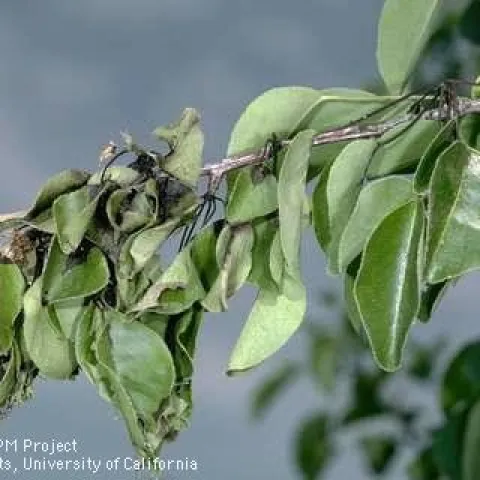
hlb tree pulled
Topics in Subtropics: Article

NEW HLB Research at UCR

January 12, 2024
By Ben A Faber
Three projects win funding to fight tree-killing bacteria AUTHOR:JULES BERNSTEIN, UCR With three new grants totaling more than $11 million, UC Riverside is helping lead the fight against citrus greening or Huanglongbing, a disease threatening citrus industries in the U.S. and worldwide.
View Article
Primary Image
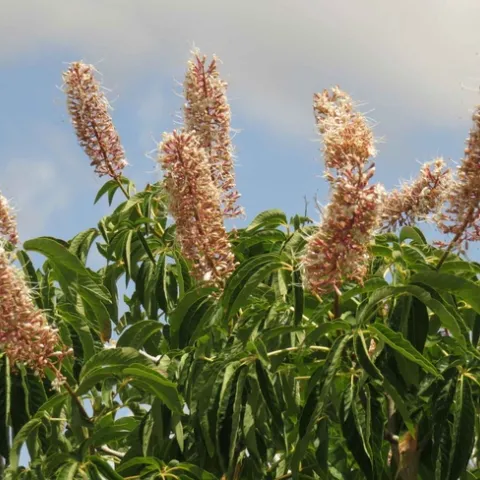
Buckeye in upper Bidwell Park. Jeanette Alosi
The Real Dirt: Article

Finding an Ecological Niche: The Buckeye

January 12, 2024
[Note: Buckeye (Aesculus californica), gray pine (Pinus sabiniana), and blue oak (Quercus douglasii) are tree species that thrive in rugged local foothill woodland and chaparral habitat. In the last two editions, we covered the blue oak and the gray pine. This final installment explores the buckeye.
View Article
Under the Solano Sun: Article

Desert Mistletoe

January 12, 2024
Many northern California folks migrate to the desert during the winter holidays, to enjoy them in the warmth and beautiful landscapes of the Mojave and Sonoran deserts. There too you can find mistletoe, the plant of Christmas kisses. Desert mistletoe, Phoradendron californicum Nutt.
View Article
UC Cooperative Extension Imperial County: Article

January 2024

January 11, 2024
New/Recent Nitrogen Fixing Bacterial Products For Agriculture Progressive Farmers Meeting Flyer Imperial Valley CIMIS Report...
View Article
UC Cooperative Extension - Madera County: Article

Winter 2024 meetings

January 11, 2024
Happy new year, everyone! There are three upcoming meetings in the San Joaquin Valley: January 17: Statewide Pistachio Day, in Visalia, California February 1: Tri County Walnut Day in Tulare, California February 2: Quad County Walnut Institute in Stockton, California.
View Article
UC Master Gardener Program of Contra Costa County: Article

What Good, Gardening?

January 11, 2024
By Bill Miller The above title does not ask: Whats good gardening? We trained UC Master Gardeners, have a pretty good handle on that, and are at the ready to share knowledge and best practices with those in our community.
View Article