A Natural Solution for California's Herds: African Catfish Peptides

California's cattle producers and agricultural communities are all too familiar with the rising challenge of antibiotic resistance, making common bacterial infections harder to treat in livestock. But imagine a future where we could tackle these infections with a natural, powerful alternative. Our research points to just that: antimicrobial peptides (AMPs) found in African catfish.

We're really excited about these peptides because African catfish thrive in pathogen-rich freshwater, naturally producing these robust immune compounds in their skin mucus as a defense. This natural origin makes them highly appealing alternatives to synthetic drugs.

Predicted Safety and Potent Action

One of the most compelling aspects of these AMPs is their predicted safety for mammals. Our initial computer analyses suggest that various catfish AMPs are generally recognized as safe (GRAS). We predict they'll be absorbed in the human intestine without causing liver, brain, or heart toxicity. Furthermore, lab tests on a promising peptide, NACAP-II, confirmed it was non-hemolytic, meaning it didn't damage rabbit red blood cells—a strong indicator of its potential safety for mammalian cells.

Beyond safety, these peptides demonstrate effectiveness against problematic bacteria. One study revealed NACAP-II's strong activity against Extended-Spectrum Beta-Lactamase (ESBL)-producing Escherichia coli—a critical concern for both animal and human health due to its resistance to many common antibiotics. Another peptide, ACAP-IV, also showed antibacterial activity against E. coli and Staphylococcus aureus. We believe these AMPs work by directly disrupting bacterial cell membranes, a mechanism that makes it harder for bacteria to develop resistance compared to how they resist traditional antibiotics.
Primary Image
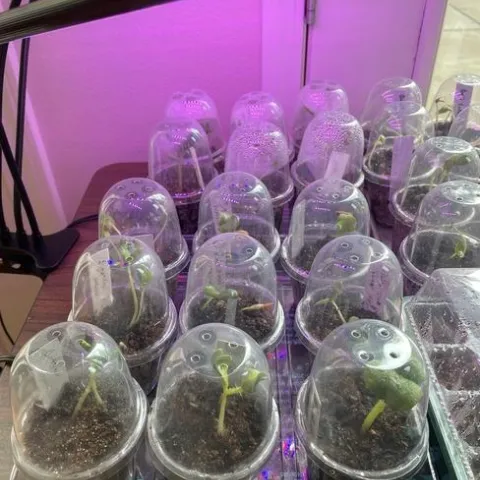
Seedlings making progress under a grow light.
Fresno Gardening Green: Article

It’s time to start vegetable seeds indoors

January 15, 2024
It may be cold and gloomy outside, but I already have spring on my mind. I am getting ready for my spring and summer vegetable garden by starting seeds indoors. The first step is planning. What do you want to grow? Make a list of veggies you would like to grow.
View Article
Primary Image
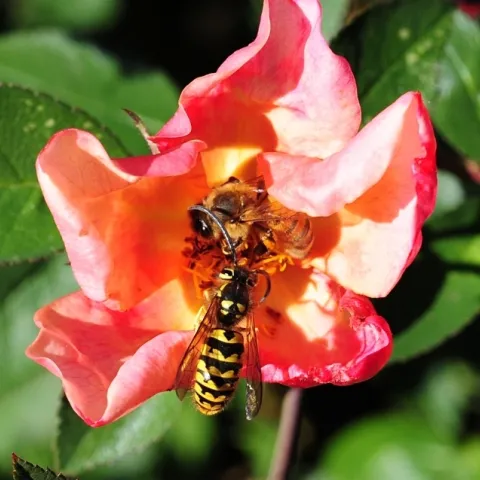
A honey bee and a Western yellowjacket meet on a rose at a UC Davis bee garden. Both are pollinators. (Photo by Kathy Keatley Garvey)
Bug Squad: Article

Wasps: Fascinating Insects But Often Demonized

January 15, 2024
By Kathy Keatley Garvey
If you hate wasps, and brush them off as just "uninvited guests at my picnic," take another look. For one, they're pollinators. Two, they're great predators, contributing to the biocontrol of such lepidopteran pests as cabbageworms (larva of cabbage white butterflies).
View Article
Primary Image
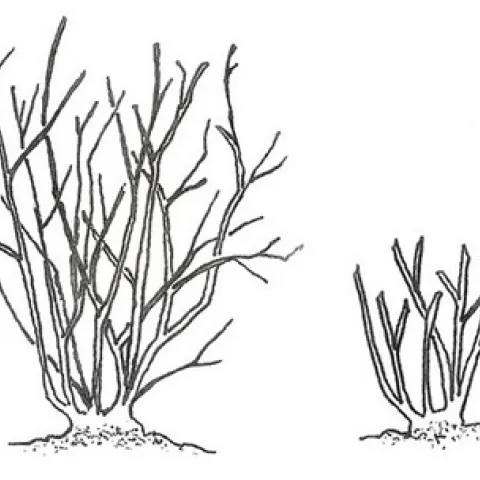
Diagram of before and after rose pruning
HOrT COCO-UC Master Gardener Program of Contra Costa: Article

Do I Really Need to Prune My Roses?

January 15, 2024
By Help Desk Team
The answer is YES! And it is easy! If you prune, your rose flower bushes will Be larger Have more flowers Will be more balanced and fuller And the health of your plant improved! Most roses need to be pruned only once a year.
View Article
Primary Image
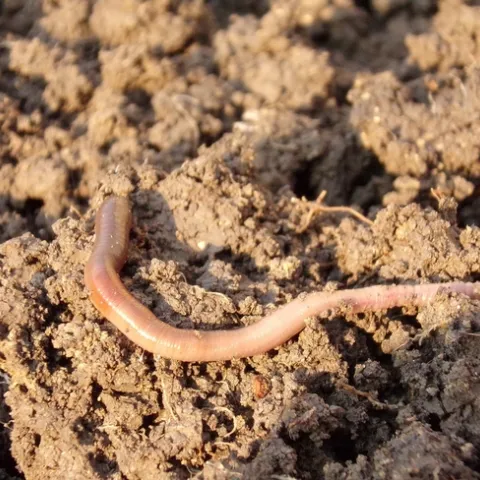
earthworm-686592_1280_Pixabay
Napa Master Gardener Column: Article

Introducing the Earthworm

January 13, 2024
More than twenty thousand years ago, a major ice age spread across the northern latitudes of North America, Europe, and Asia and all the earthworms died. For millennia, these regions had no earthworms.
View Article
Merced County Cooperative Extension: Article

January 2024

January 12, 2024
Upcoming Principles of Fruit & Nut Course Winter Sanitation Irrigation Considerations Prune Brownline Disease Alert...
View Article
Primary Image
corea
Thriving Forward: Article

Meet 4-H Placer County Ambassador and Club President Corea

January 12, 2024
By Matthew R Rodriguez
Recently I [Matt] had a chance to interview 4-H youth member Corea who is also this year's 4-H county ambassador and club president for Dry Creek in Placer County. The following are Corea's responses to my questions.
View Article
Primary Image
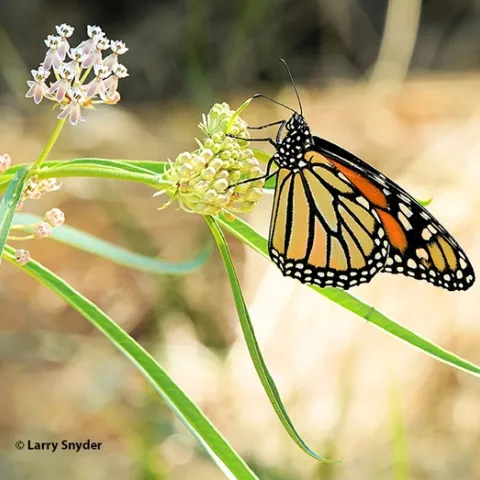
This is one of the images of monarchs that Davis resident Larry Snyder took at the North Davis Channel.
Bug Squad: Article

Larry Snyder Sharing Images of 'Insects at the Ditch'

January 12, 2024
By Kathy Keatley Garvey
They crawl, they fly, they flutter, they buzz. They look at us, and we look back. But if you're Larry Snyder of Davis, an insect photographer and a retired musician, you not only look back, but you take their images.
View Article
Primary Image
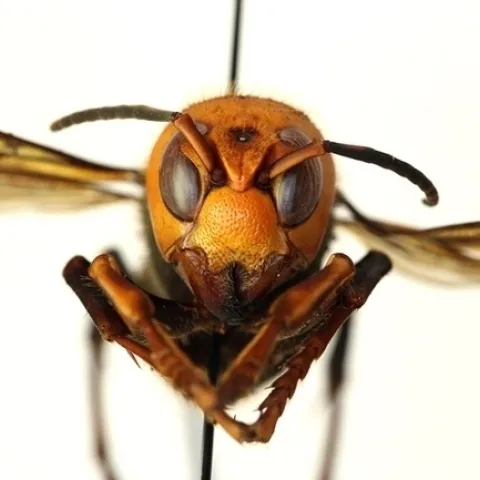
A northern giant hornet, Vespa mandarina, dubbed "murder hornet" by the news media. (Photo courtesy of the Washington State Department of Agriculture)
Entomology & Nematology News: Article

Lynn Kimsey to Discuss Social Wasps at Jan. 20th Bohart Museum Open House

January 12, 2024
By Kathy Keatley Garvey
Social wasp expert Lynn Kimsey, UC Davis distinguished professor of entomology and director of the Bohart Museum of Entomology, will be featured at the next Bohart open house, set for 1 to 4 p.m., Saturday, Jan. 20, in Room 1124 of the Academic Surge Building, 455 Crocker Lane, UC Davis campus.
View Article
Youth Development Insights: Article

From Youth to Competent Adults: The Long-Term Outcomes of 4-H

January 12, 2024
By Nicole K Marshall-Wheeler
From Youth to Competent Adults: The Long-Term Outcomes of 4-H Participating in the 4-H Youth Development Program can be rewarding for youth in many ways. Often youth participate in programs or projects which help them cultivate new skills or gain confidence while having fun.
View Article