A Natural Solution for California's Herds: African Catfish Peptides

California's cattle producers and agricultural communities are all too familiar with the rising challenge of antibiotic resistance, making common bacterial infections harder to treat in livestock. But imagine a future where we could tackle these infections with a natural, powerful alternative. Our research points to just that: antimicrobial peptides (AMPs) found in African catfish.

We're really excited about these peptides because African catfish thrive in pathogen-rich freshwater, naturally producing these robust immune compounds in their skin mucus as a defense. This natural origin makes them highly appealing alternatives to synthetic drugs.

Predicted Safety and Potent Action

One of the most compelling aspects of these AMPs is their predicted safety for mammals. Our initial computer analyses suggest that various catfish AMPs are generally recognized as safe (GRAS). We predict they'll be absorbed in the human intestine without causing liver, brain, or heart toxicity. Furthermore, lab tests on a promising peptide, NACAP-II, confirmed it was non-hemolytic, meaning it didn't damage rabbit red blood cells—a strong indicator of its potential safety for mammalian cells.

Beyond safety, these peptides demonstrate effectiveness against problematic bacteria. One study revealed NACAP-II's strong activity against Extended-Spectrum Beta-Lactamase (ESBL)-producing Escherichia coli—a critical concern for both animal and human health due to its resistance to many common antibiotics. Another peptide, ACAP-IV, also showed antibacterial activity against E. coli and Staphylococcus aureus. We believe these AMPs work by directly disrupting bacterial cell membranes, a mechanism that makes it harder for bacteria to develop resistance compared to how they resist traditional antibiotics.

Primary Image
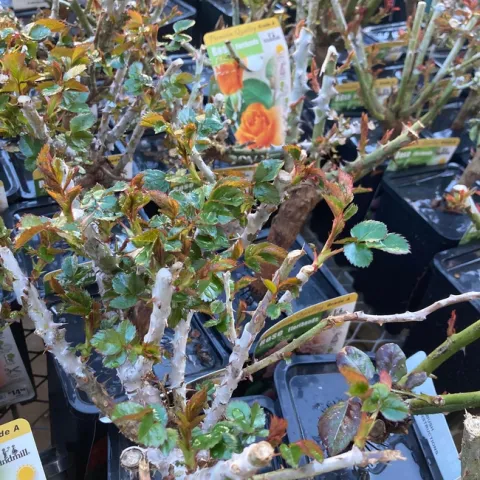
January is time to plant roses. (Photos: Jeannette Warnert)
Fresno Gardening Green: Article

This week in the garden: Jan. 5 - 11

January 5, 2024
Just roses. Roses are planted bare root in January or February, but other rose tasks may also be done this month. Tasks New roses of many varieties are featured in magazines and articles - or view them online.
View Article
Primary Image
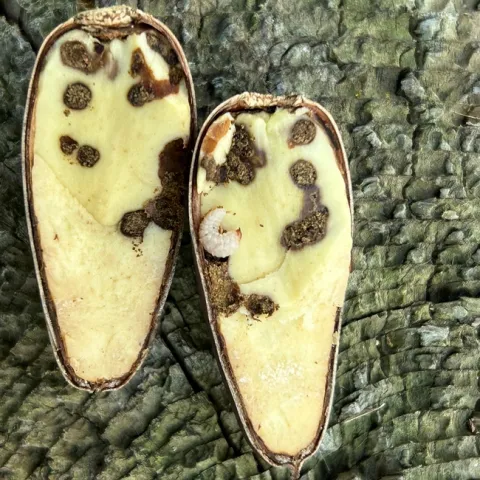
Valley oak acorn infested with an acorn weevil.
North Coast Forest Health: Article

Interesting oak pests of 2023

January 5, 2024
By Michael Jones
From an entomologist's perspective, 2023 couldn't have been a more interesting year for oak pests! The first sign of great and awesome things to come was in the spring when it became clear many oaks were going to produce abundant acorns.
View Article
Primary Image
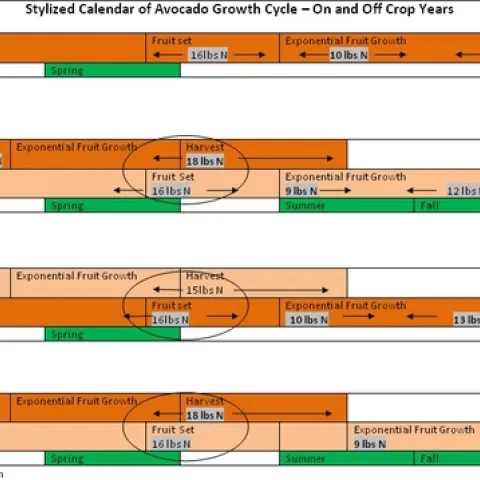
stylized N application On and Off year
Topics in Subtropics: Article

Phenology - Bringing to Light Recurring Events

January 5, 2024
By Ben A Faber
Plants, therefore avocados, go through different growth stages, so called phenological stages, regular periods where they grow and differentiate from seed to various vegetative stages, flowering and finally seed production.
View Article
Primary Image
A young cone sprouts on the gray pine. Laura Lukes
The Real Dirt: Article

Finding an Ecological Niche: The Gray Pine

January 5, 2024
[Note: Gray pine (Pinus sabiniana), buckeye (Aesculus californica), and blue oak (Quercus douglasii) are tree species that thrive in rugged local foothill woodland and chaparral habitat. Last edition, we covered the blue oak, and today the gray pine is featured.
View Article
UCCE Lassen County: Article

January 2024

January 4, 2024
Hello and Happy New Year! Here's your January 2024 Lassen County 4-H Roundup! In this issue you will find important information on: * 4-H Decal Fundraiser * County Presentation Day information * Spring 2024 Online Workshop Series for 4-H Project Leaders * Information on Avian Influenza and Prop 12 t...
View Article